

Your hip surgery date is set, and a flu shot or COVID-19 booster is on your calendar. Should you keep the appointment? The safest answer depends on which vaccine you're getting, when surgery is scheduled, your health, and the medicines you take. Planning vaccines before hip re...
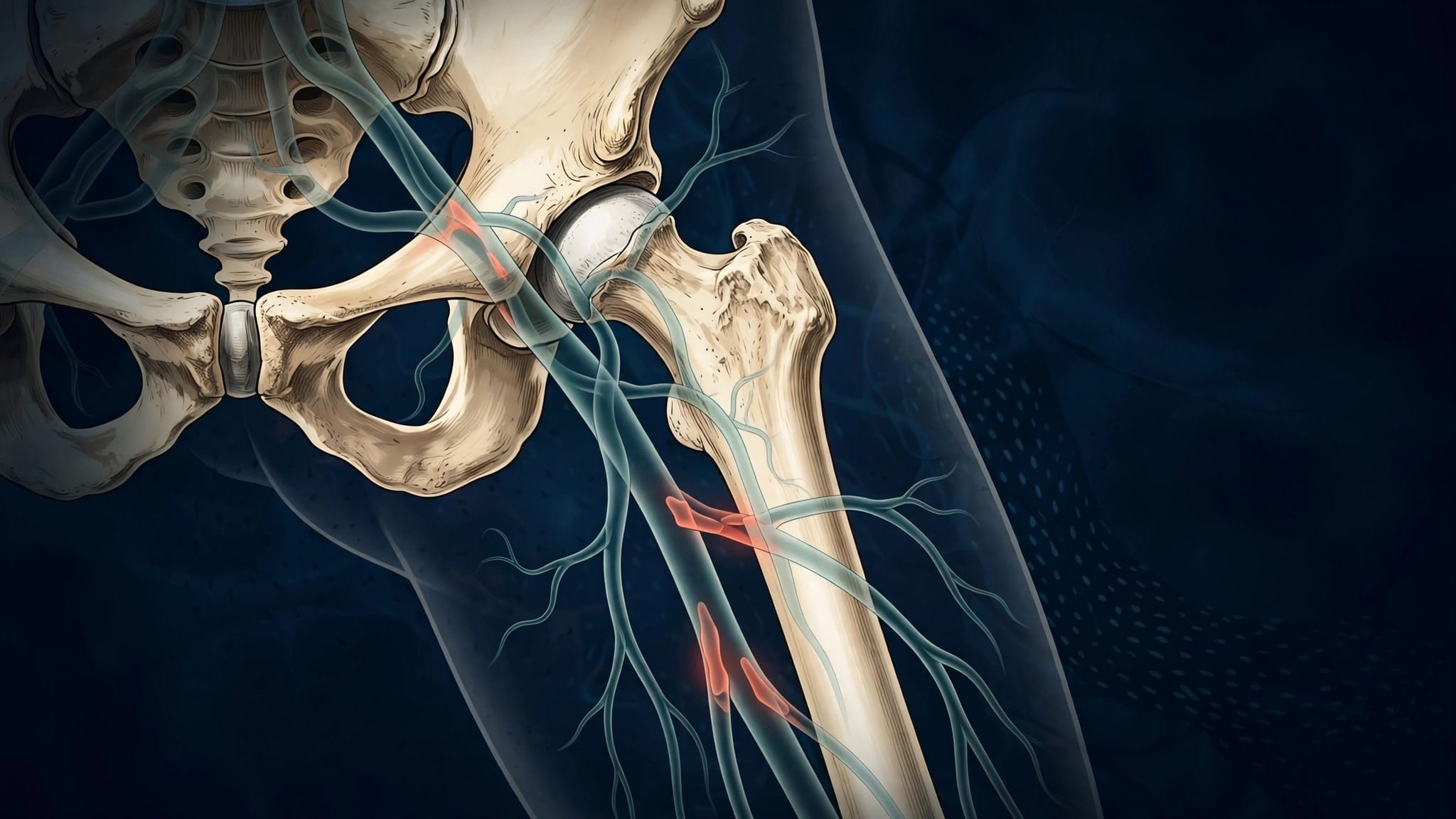
A painful hip can limit your walking, while peripheral artery disease (PAD) can make you wonder whether surgery is safe. PAD does not automatically rule out SuperPATH hip replacement. Your surgeon needs to assess both the damaged joint and the circulation in your legs before r...
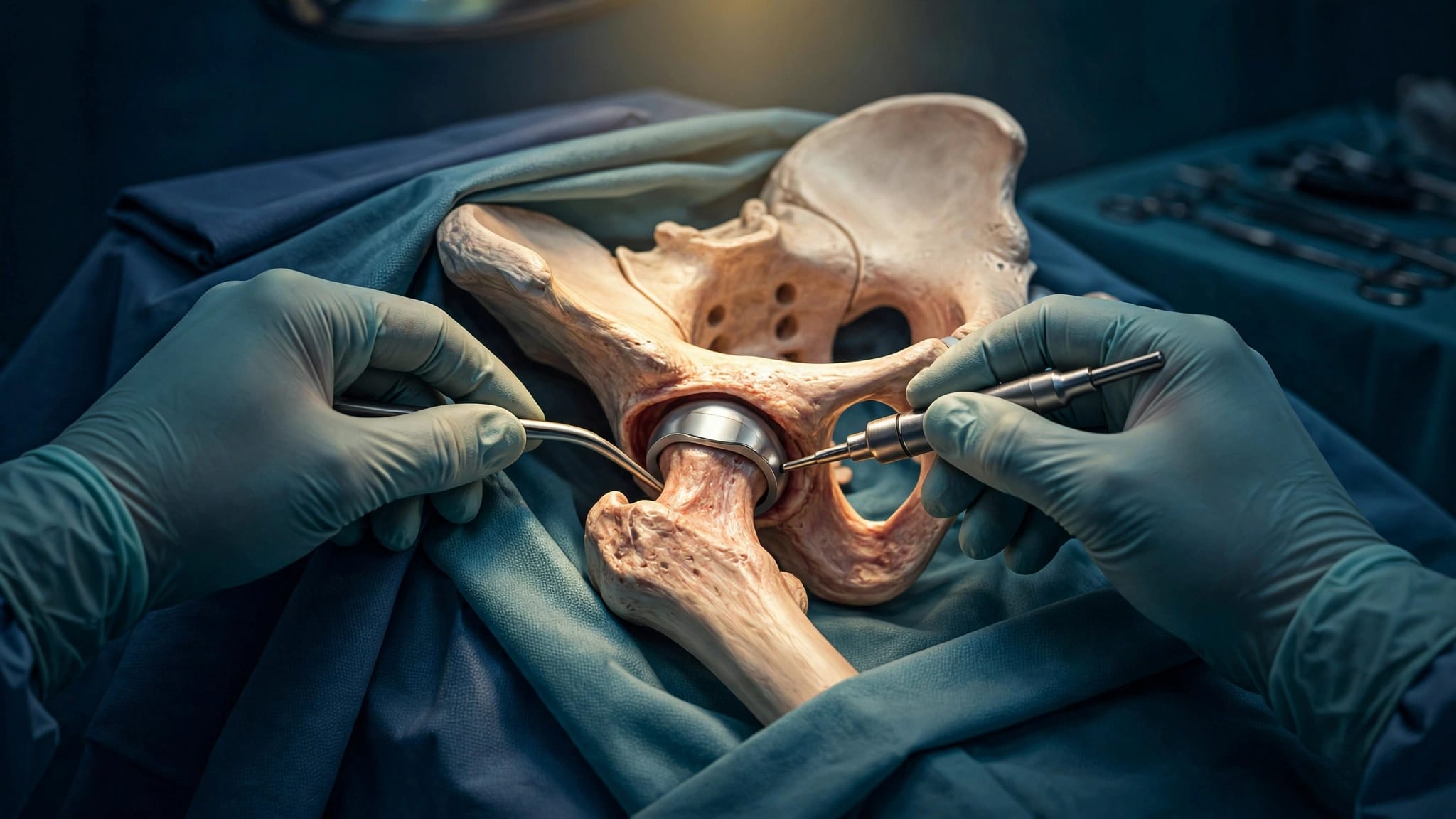
You may choose SuperPATH hip replacement because you want the surgeon to preserve as much tissue around your hip as possible. Then you hear that the surgeon might change the approach during the operation. It's understandable to wonder whether that means something went wrong. A...

You were walking better, then the outside of your hip started hurting again. The change in your recovery matters more than the number of months on the calendar. Outer hip pain after surgery can follow a busy day, but a new or worsening ache deserves attention if it persists, d...

After hip surgery, a shower chair can turn a wet, unstable transfer into a controlled routine. However, finding the right shower chair for hip surgery recovery requires more than choosing a seat that fits your bathroom. Your chair must match your hip precautions, bathroom layo...

Strong preparation can make daily movement more manageable before hip replacement, but it cannot guarantee a faster recovery. SuperPATH prehabilitation focuses on the abilities you can safely build before surgery, including leg strength, walking confidence, balance, fitness, a...
A low blood test result before hip replacement can raise an immediate concern: will surgery still happen? Low platelets before surgery do not automatically cancel a SuperPATH procedure, but they may change the timing, anesthesia plan, bleeding precautions, or need for addition...

A coronary stent can affect when you safely have SuperPATH hip replacement. The timing of surgery, the type of stent, and your antiplatelet medicines all require a shared plan. People with coronary stents who are considering SuperPATH usually want to know whether a minimally i...
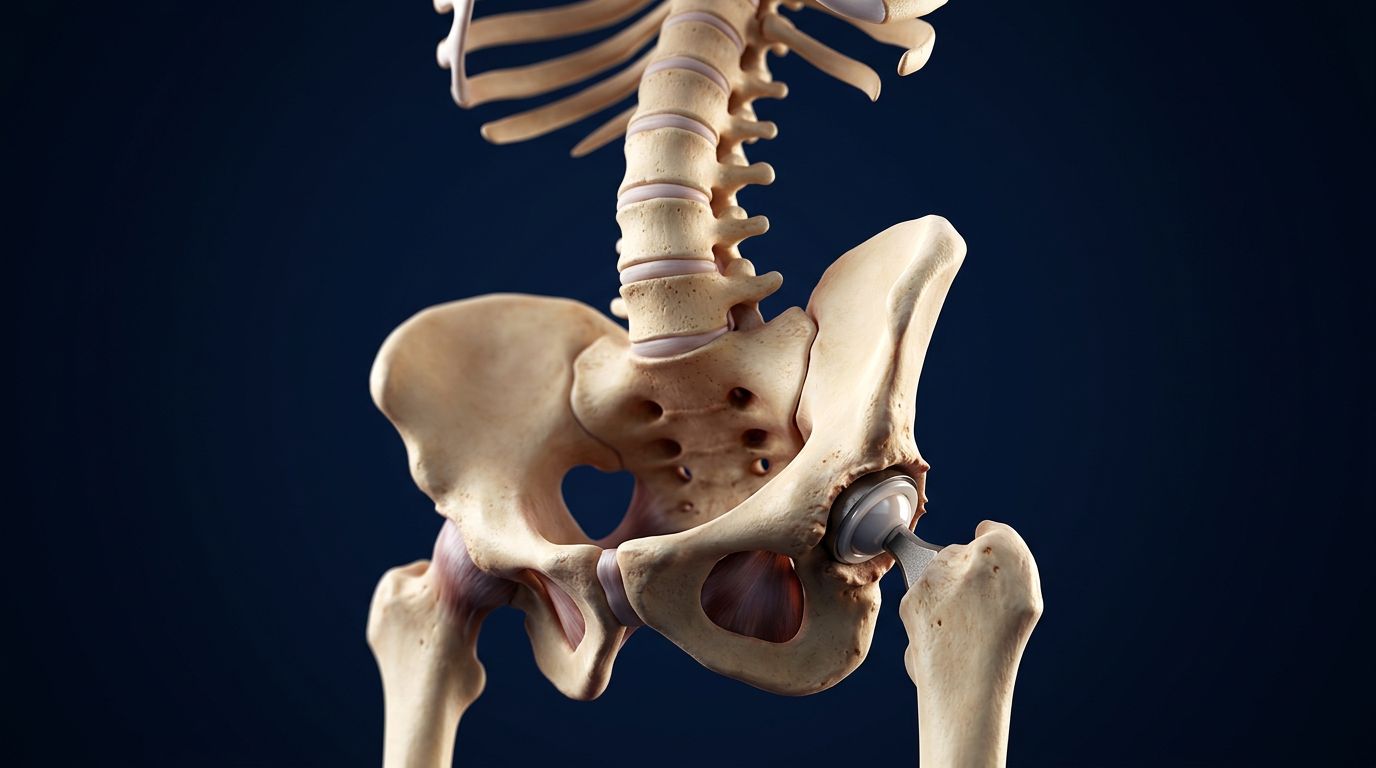
When hip arthritis and scoliosis occur together, hip replacement planning involves more than the worn joint. People searching for hip replacement scoliosis information are often trying to understand how a curved or stiff spine may affect pain, leg length, implant position, and...

A complex hip replacement often depends on details that a routine X-ray cannot show. A hip replacement CT scan may help your surgeon understand old hardware, bone loss, deformity, or unusual anatomy before choosing an implant and surgical approach. CT isn't required for every...

A urinary infection can raise understandable concerns before SuperPATH hip replacement. However, a positive urine test does not automatically mean your operation must be canceled or postponed. The decision depends on your symptoms, urine culture, temperature, overall health, a...
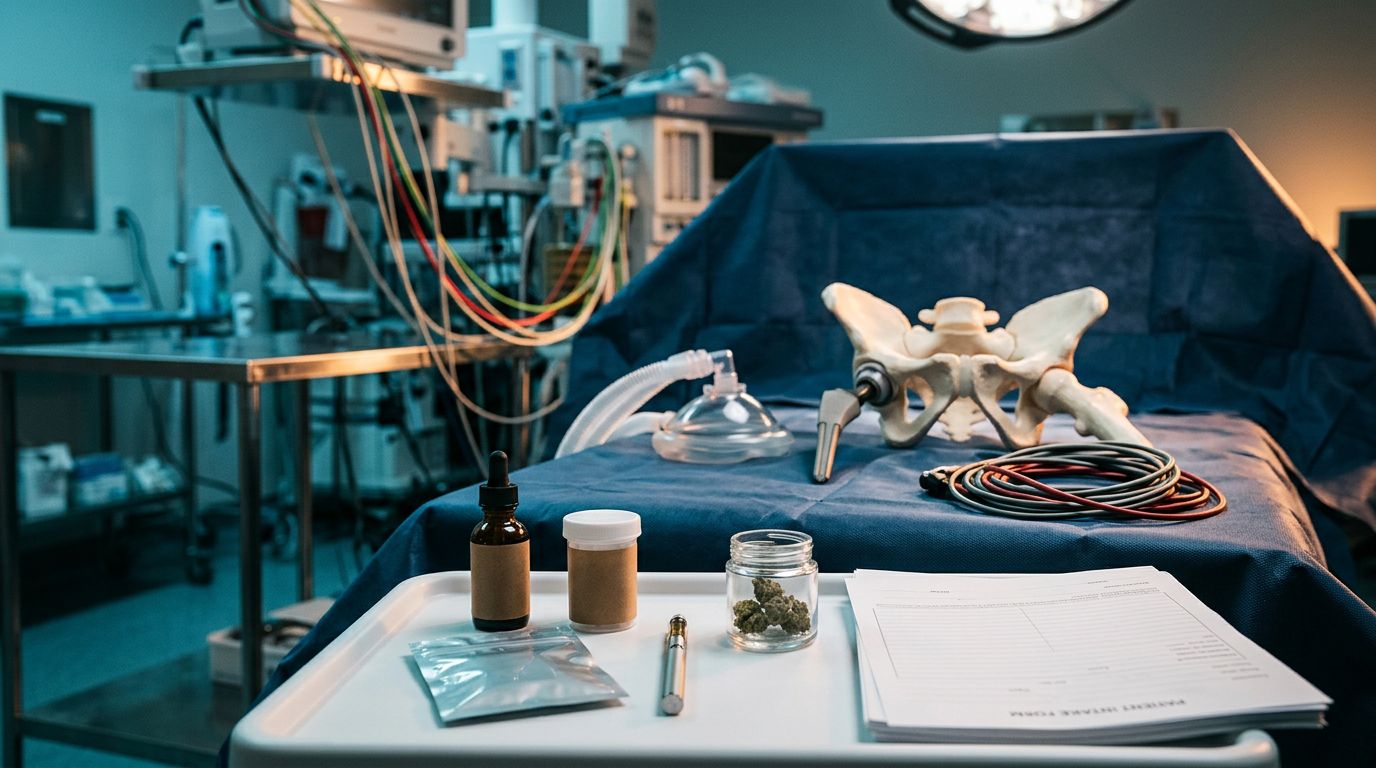
Cannabis before surgery can affect anesthesia planning, even when your procedure uses the minimally invasive SuperPATH approach. Tell your surgeon and anesthesia team about every product you use, including marijuana, THC, CBD, edibles, vaping products, smoked cannabis, tinctur...

A cold before surgery can create uncertainty, especially when your SuperPATH hip replacement is only days away. You may wonder whether congestion, a cough, or a sore throat means the operation must be canceled. Call the surgical office and report any new illness instead of mak...

Questions about high blood pressure SuperPATH timing are common, especially when hip pain is already limiting sleep, walking, and daily activities. High blood pressure does not automatically cancel hip replacement surgery. However, uncontrolled or newly discovered hypertension...

COPD does not automatically rule out SuperPATH hip replacement , but it changes how your surgical team prepares for anesthesia and recovery. Your COPD severity, current symptoms, lung function, medications, oxygen use, and other health conditions all matter. SuperPATH is desig...

Hip arthritis can limit every step, while heart failure can make routine activity feel harder than it should. If you are considering SuperPATH hip replacement , both conditions need equal attention before scheduling surgery. Heart failure does not automatically rule out hip re...

Severe hip pain can make Parkinson's disease harder to manage. When walking hurts, stiffness, balance problems, and fear of falling can take away even more independence. A Parkinson's disease SuperPATH discussion should focus on the whole person, not the size of an incision. S...

Peripheral neuropathy can make hip arthritis harder to live with and hip replacement planning more personal. A SuperPATH hip replacement may change the route a surgeon uses to reach the joint, but it does not repair the damaged nerves that cause burning, numbness, weakness, or...

At one year, your new hip should feel like part of your life rather than the center of it. SuperPATH surgery recovery often starts with earlier walking and less disruption to soft tissue, but the 12-month result depends on your health, strength, rehabilitation, and the conditi...

A past blood clot changes the conversation before hip replacement. It doesn't automatically rule out surgery, but it does mean your orthopedic and anesthesia teams need a detailed plan that balances clot prevention with bleeding safety. For people considering SuperPATH blood c...
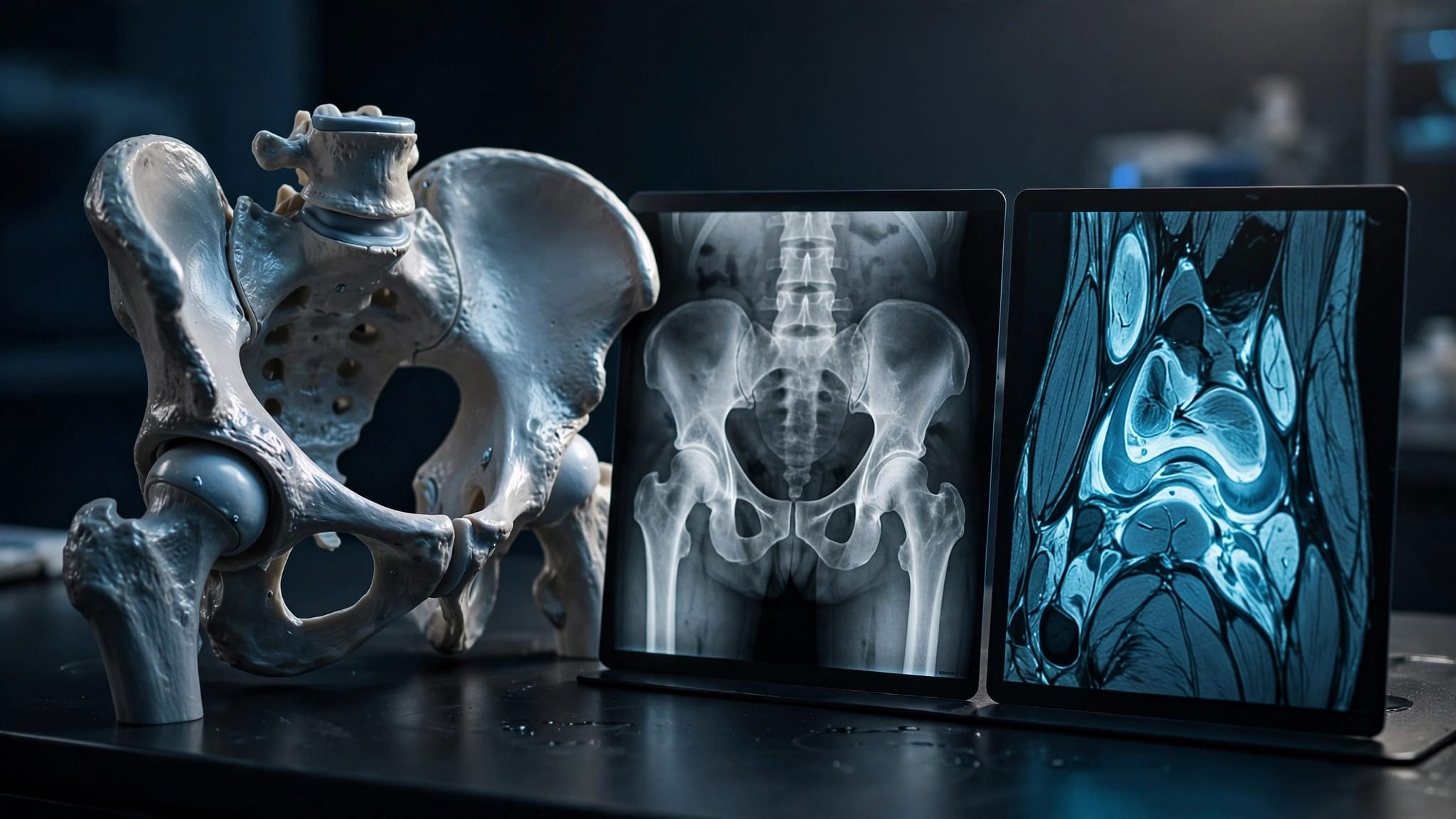
Hip pain can make every step feel negotiated, especially when stiffness affects sleep, work, or simple tasks like putting on shoes. A hip arthritis MRI can reveal problems an X-ray cannot see, but it isn't the starting test for every painful hip. For many people, plain X-rays...

Hip replacement planning gets more personal when you have atrial fibrillation. Your blood thinner lowers stroke risk, yet surgery and anesthesia raise real bleeding concerns. A safe atrial fibrillation anticoagulation plan balances both risks without guesswork. It requires cle...

Hip pain can make everyday tasks feel like a negotiation, from getting out of a car to sleeping through the night. Your first SuperPATH consultation is a chance to replace uncertainty with a clear discussion about your hip, your health, and your treatment options. You don't ne...
A painful hip can make a simple walk feel like a long trip. If you are considering SuperPATH hip replacement , it is natural to want a clear picture of how long surgery and the first day of recovery will take. For many patients, the procedure itself takes about one to two hour...

Living alone does not automatically prevent you from having a safe recovery, but it does require a plan with real backup. SuperPATH hip replacement may support early mobility for many patients, yet it is still major surgery and the first days at home can bring pain, fatigue, d...

Airport security can feel stressful when you have a hip replacement, especially if you are flying for the first time after surgery. A hip implant card may help you communicate privately, but it does not let you bypass screening. Most travelers with an artificial hip move throu...
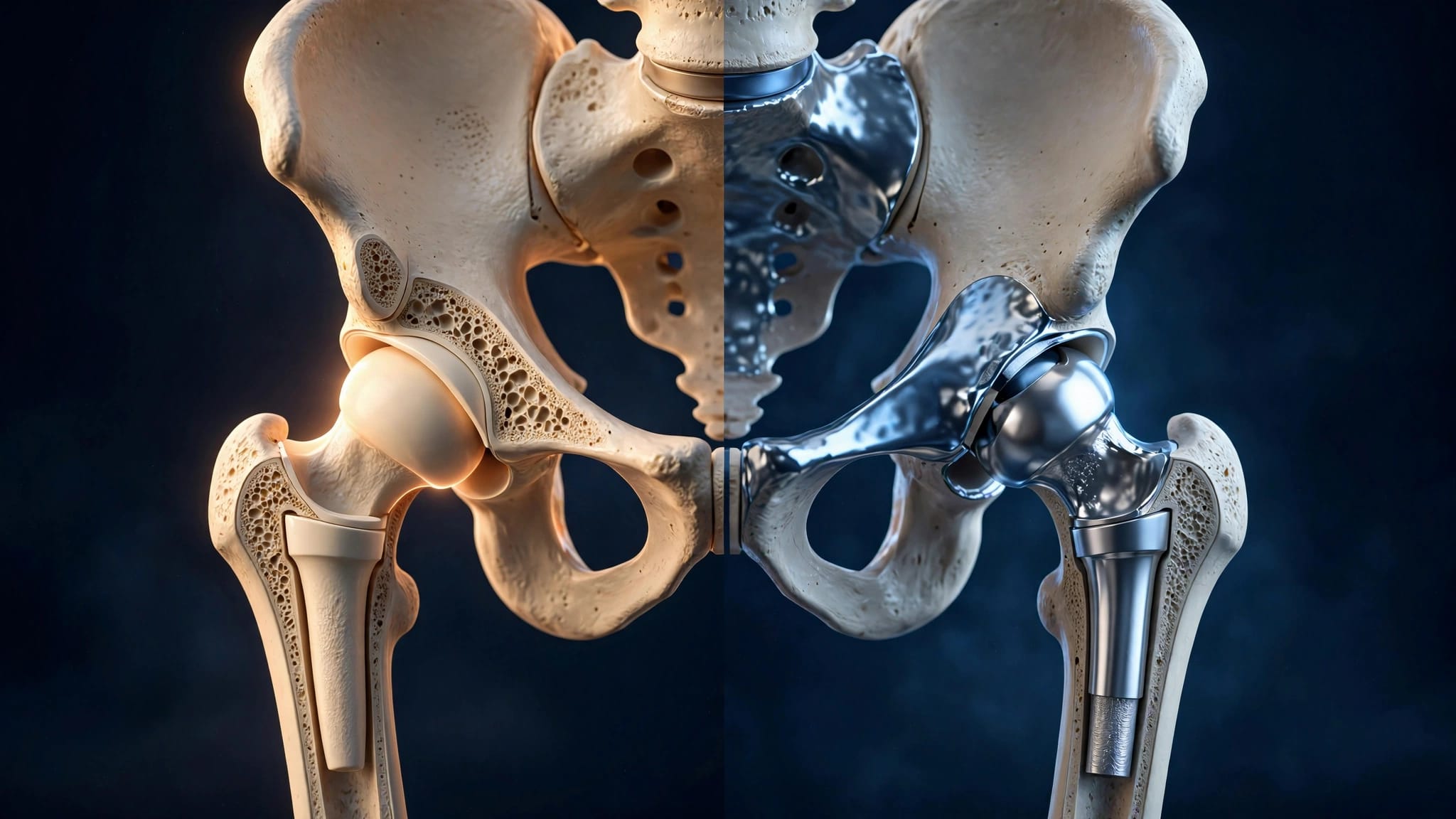
Choosing a hip replacement can feel overwhelming when the discussion turns to implant materials. Ceramic vs metal implants is an important comparison, but the answer rarely comes down to one material being better for every person. Modern hip replacements combine several materi...

Going home on the day of hip surgery can sound appealing, but discharge timing should never be a promise made before your team knows how you are recovering. The right plan depends on your health, the procedure, your comfort, and the support waiting at home. For many people, ou...

A new shoulder can relieve pain that has narrowed your daily life, but healing takes patience. Shoulder replacement recovery usually unfolds over months, not days, and the early restrictions matter as much as the surgery itself. Your exact plan depends on the procedure, your t...

Hip pain can limit sleep, work, and the simple freedom to walk comfortably. Yet when liver disease is part of your health history, chronic liver disease surgery requires more planning than a standard hip replacement pathway. A minimally invasive approach such as SuperPATH may...
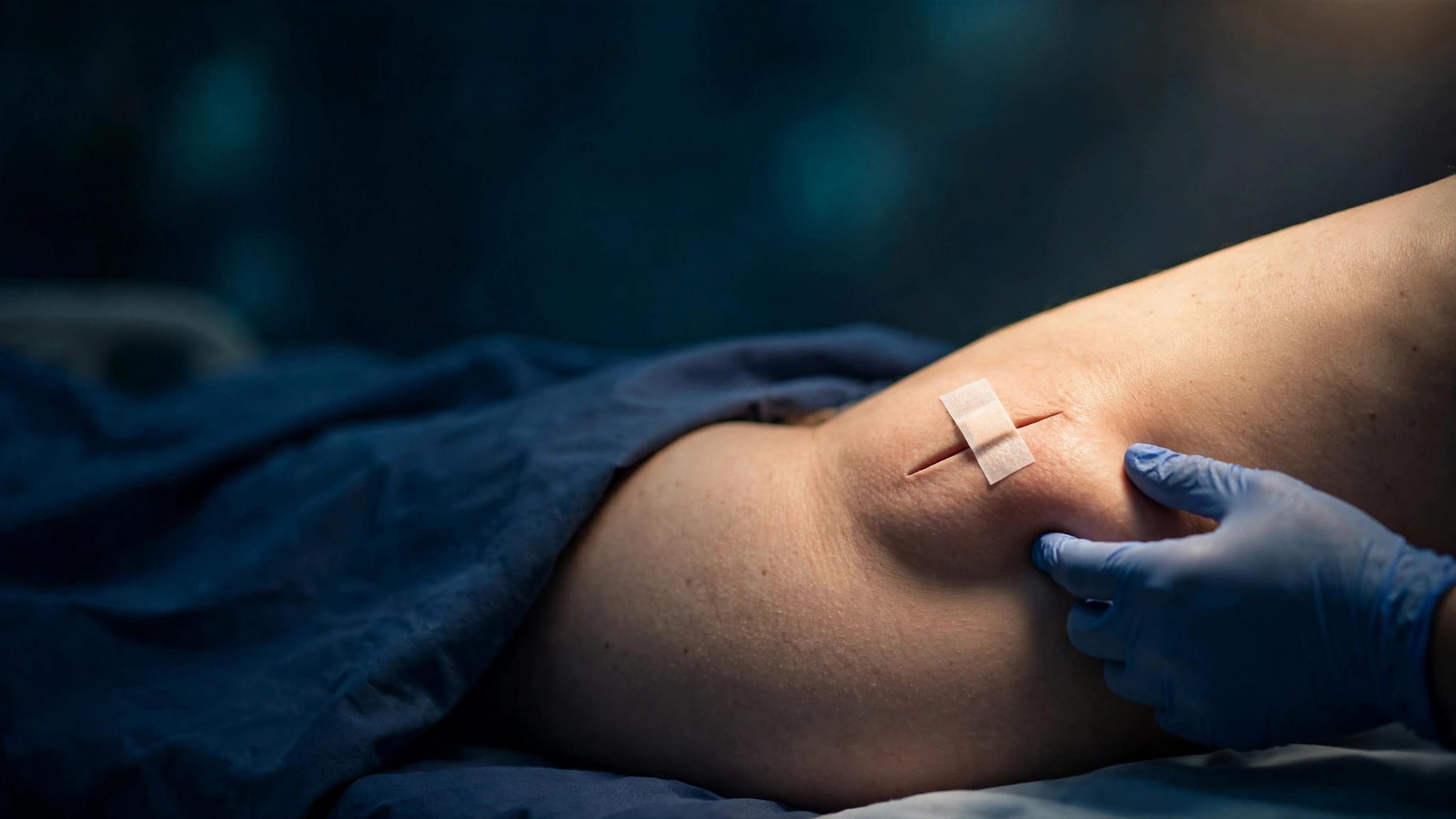
A new lump or pocket of swelling near a hip incision can feel alarming, especially after you have worked hard through the first days of recovery. A hip replacement seroma is often treatable, but any new or enlarging fluid collection deserves a prompt call to your surgical team...
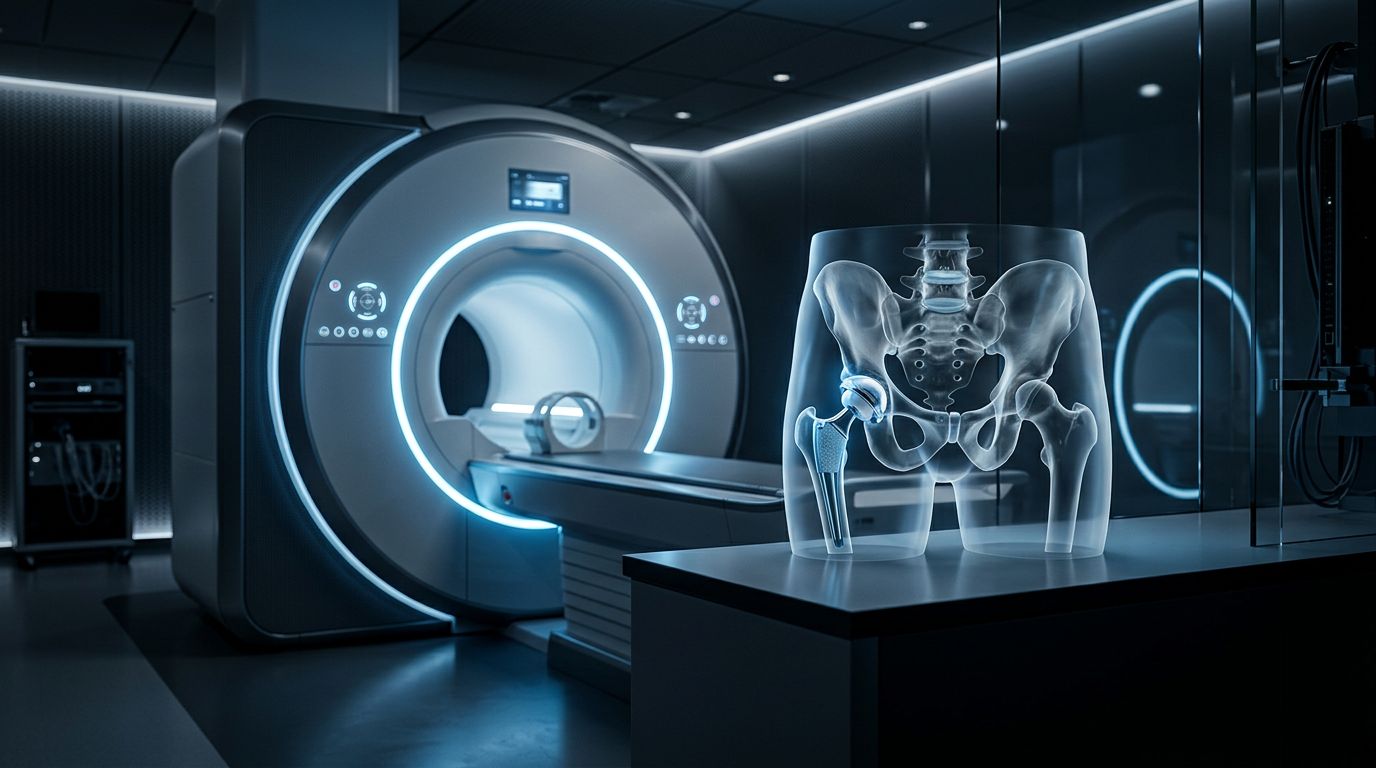
An MRI appointment can feel routine until a screening form asks about your hip replacement. If you need an MRI after hip replacement , don't treat that question as routine paperwork. The exact implant, its labeling, and the planned scanner settings can affect whether the exam...
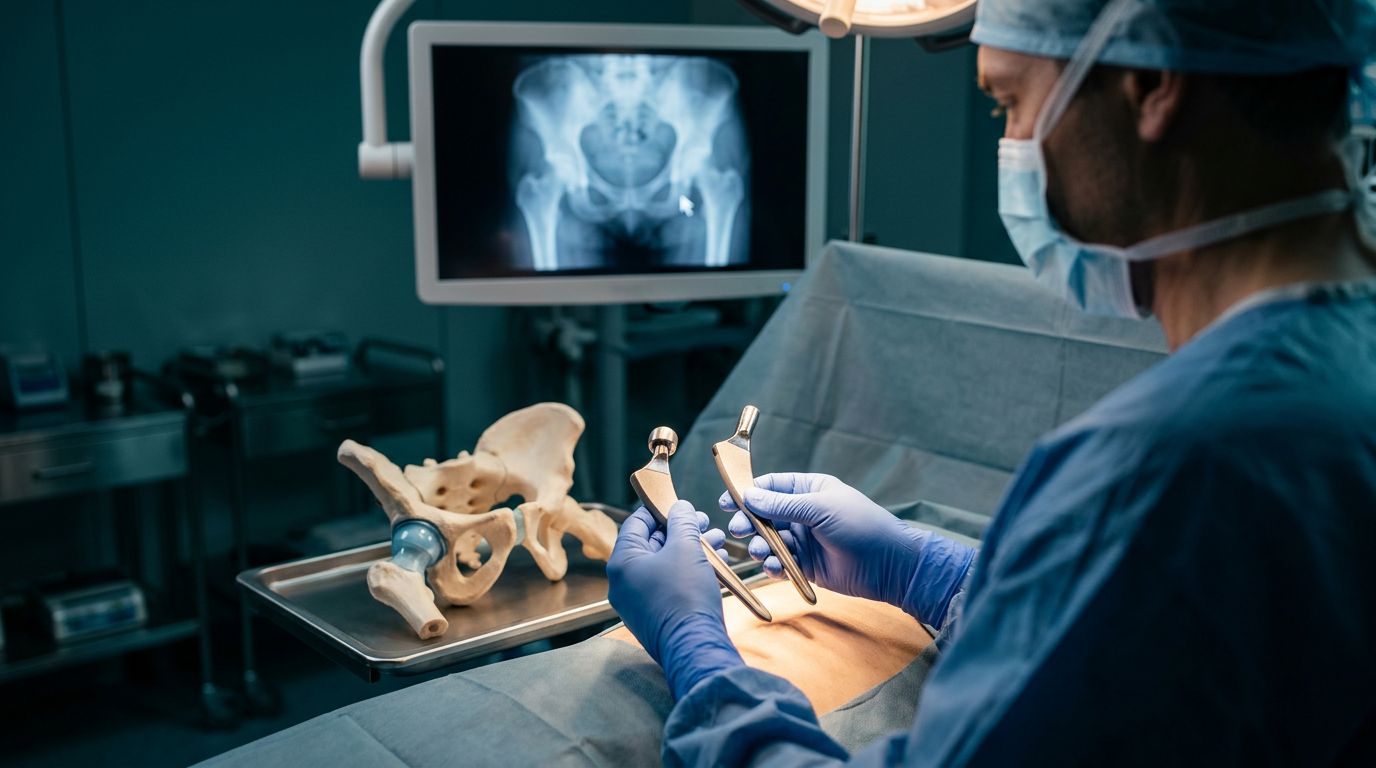
Choosing a hip implant is not a matter of picking a size from a chart. The components must fit your bone, restore useful mechanics, and remain stable as you move. During total hip replacement through the SuperPATH approach, SuperPATH implant size is planned before surgery but...
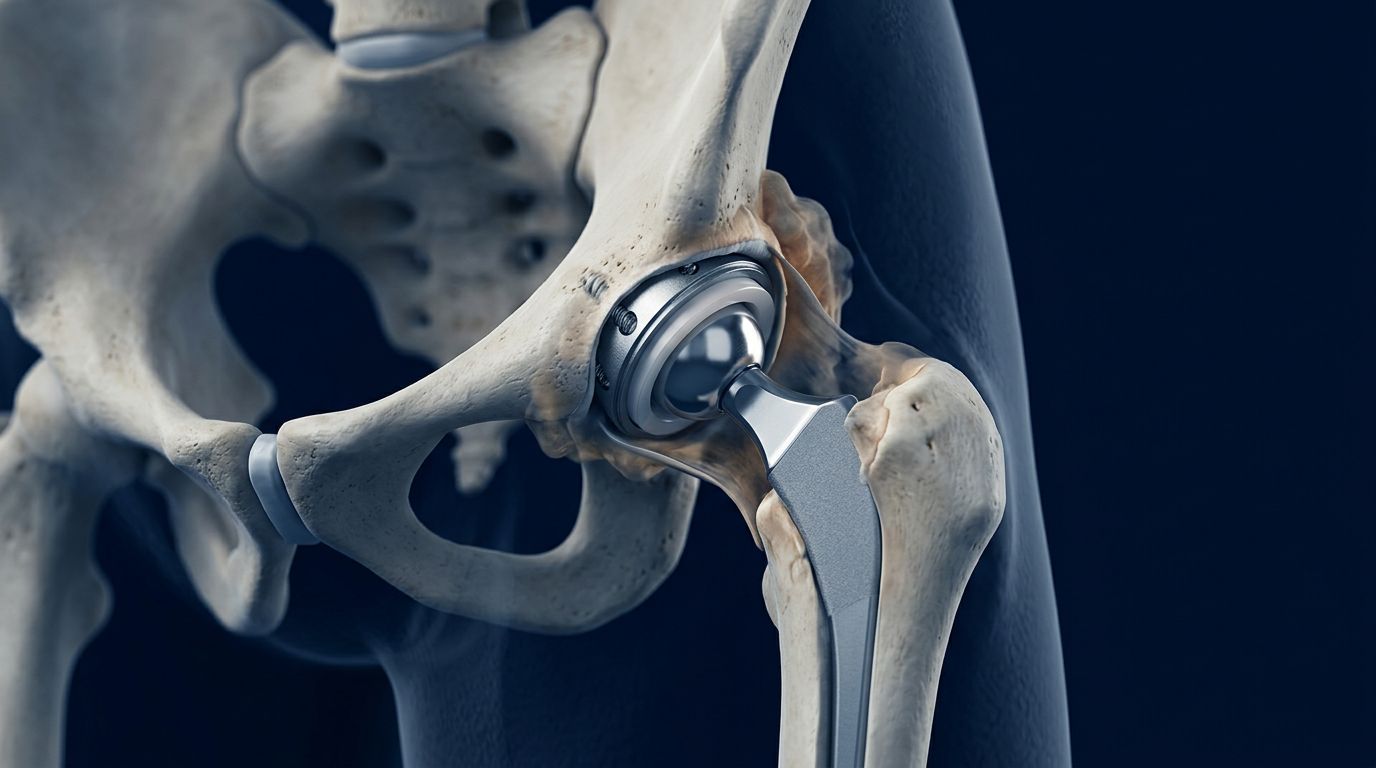
Stiffness after hip replacement can be part of normal healing, but a hip that gradually loses motion deserves attention. If you're searching for heterotopic ossification hip replacement , you may be worried that extra bone has formed around your new joint. Heterotopic ossifica...
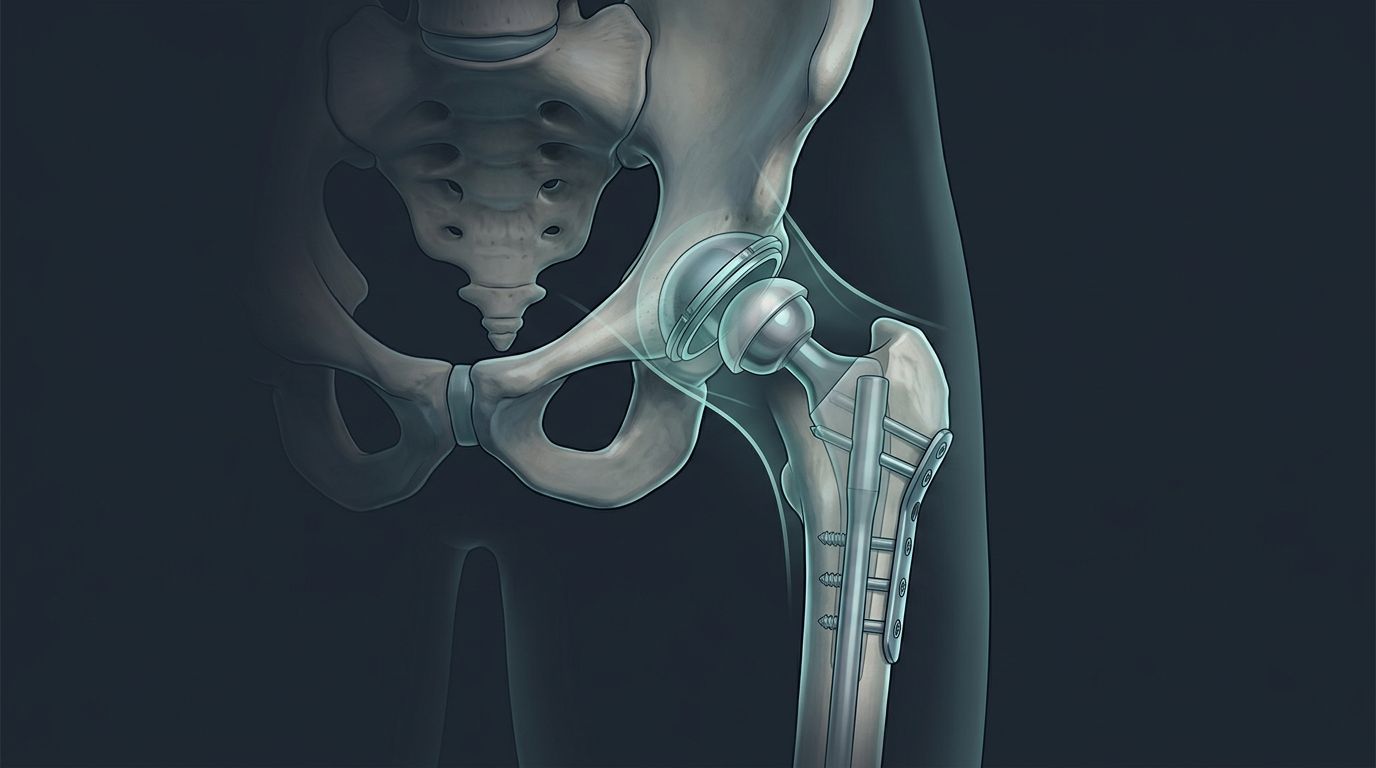
An old femur plate, screws, or an intramedullary nail doesn't automatically rule out hip replacement. However, a SuperPATH hip replacement can't be planned from a routine template when hardware is already present. Your surgeon needs to know where the implants sit, how the bone...

Stiffness after knee replacement can make everyday movements feel harder than expected. Knee replacement stiffness may limit bending, prevent the knee from fully straightening, or make walking uncomfortable even when pain has improved. Exercise is an important part of recovery...
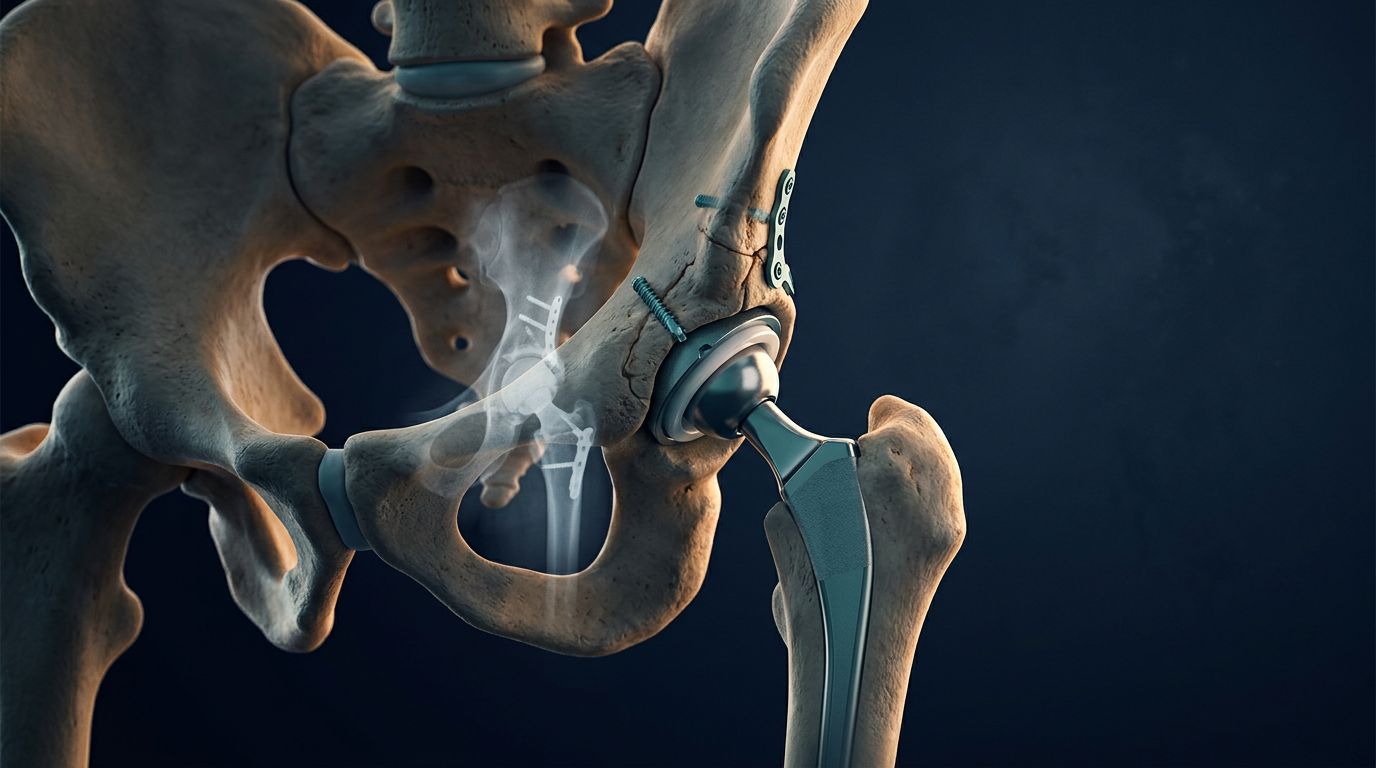
A healed pelvic fracture can continue to shape hip replacement years later. If you are considering a SuperPATH pelvic fracture case, the main question is whether the surgeon can restore the hip safely with the available bone, anatomy, and surgical exposure. Prior acetabular fi...

Hip replacement planning takes more detail when rheumatoid arthritis is part of the picture. If you're researching rheumatoid arthritis SuperPATH surgery, the surgical approach is only one part of the decision. Your inflammation, medications, infection risk, bone strength, joi...

Rheumatoid arthritis can damage the hip in ways that affect both the joint and the rest of the body. For patients researching rheumatoid arthritis SuperPATH hip replacement, the central issue is candidacy, not the name of the approach. SuperPATH may fit a patient with controll...

SuperPATH hip replacement may offer early recovery benefits, but chronic kidney disease changes how the operation must be planned. Kidney function affects anesthesia, medication dosing, fluid balance, anemia, dialysis timing, infection prevention, and blood clot protection. Th...
Low hemoglobin can affect the timing of elective hip surgery, but finding anemia early gives your care team time to investigate and treat it. If you've searched for "anemia hip replacement," you may be wondering whether a low blood count automatically cancels surgery. It doesn...

Sleep apnea does not automatically prevent you from having hip replacement surgery, but it changes how your team prepares for anesthesia and recovery. Good sleep apnea hip replacement planning starts before the operation, with clear communication about your diagnosis, treatmen...

For many patients, sleep apnea anesthesia planning begins well before the day of SuperPATH hip replacement. Your anesthesiologist needs to know how you breathe during sleep, whether you use CPAP or an oral appliance, and how your body has responded to anesthesia in the past. S...
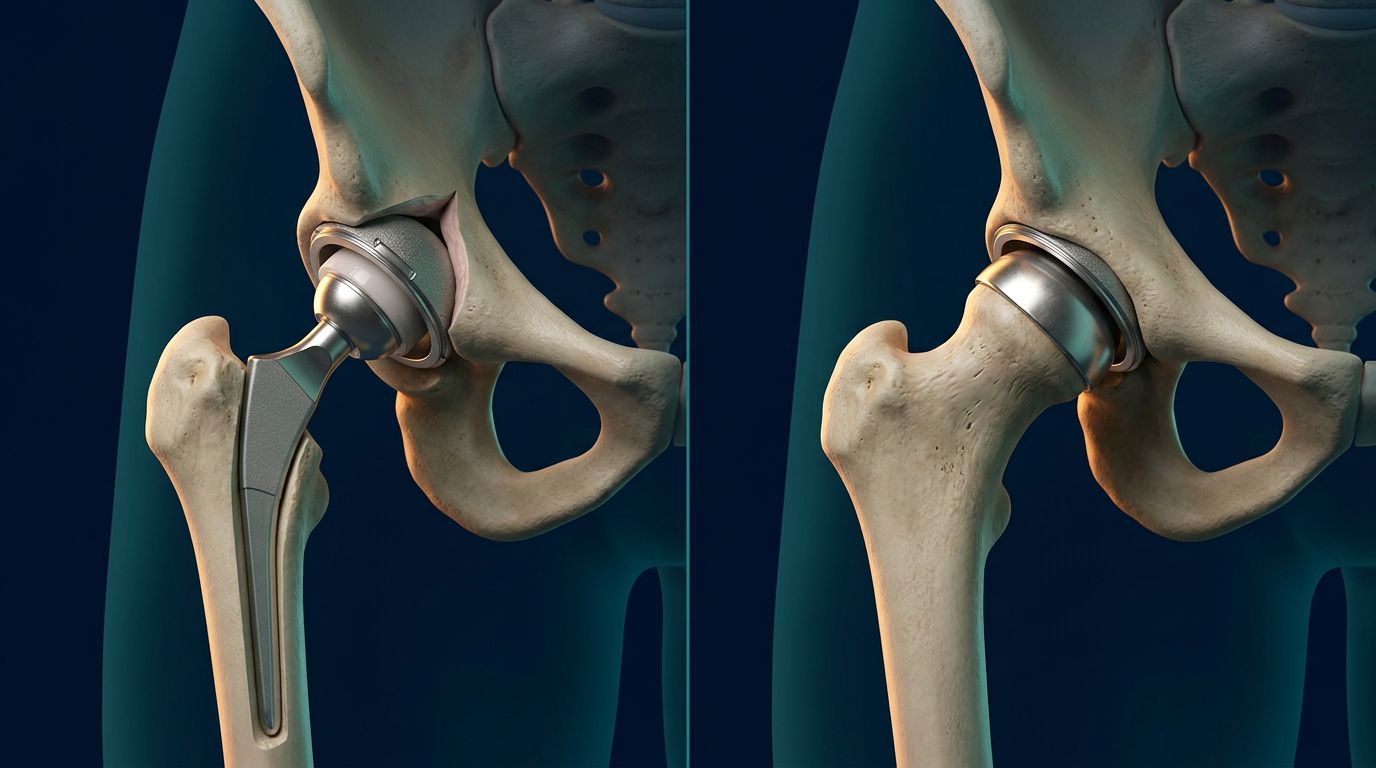
Choosing the right hip procedure starts with understanding the difference between the operations. If you're comparing SuperPATH vs hip resurfacing , the first question is whether you need a total hip replacement or might qualify for a bone-preserving resurfacing procedure. Sup...
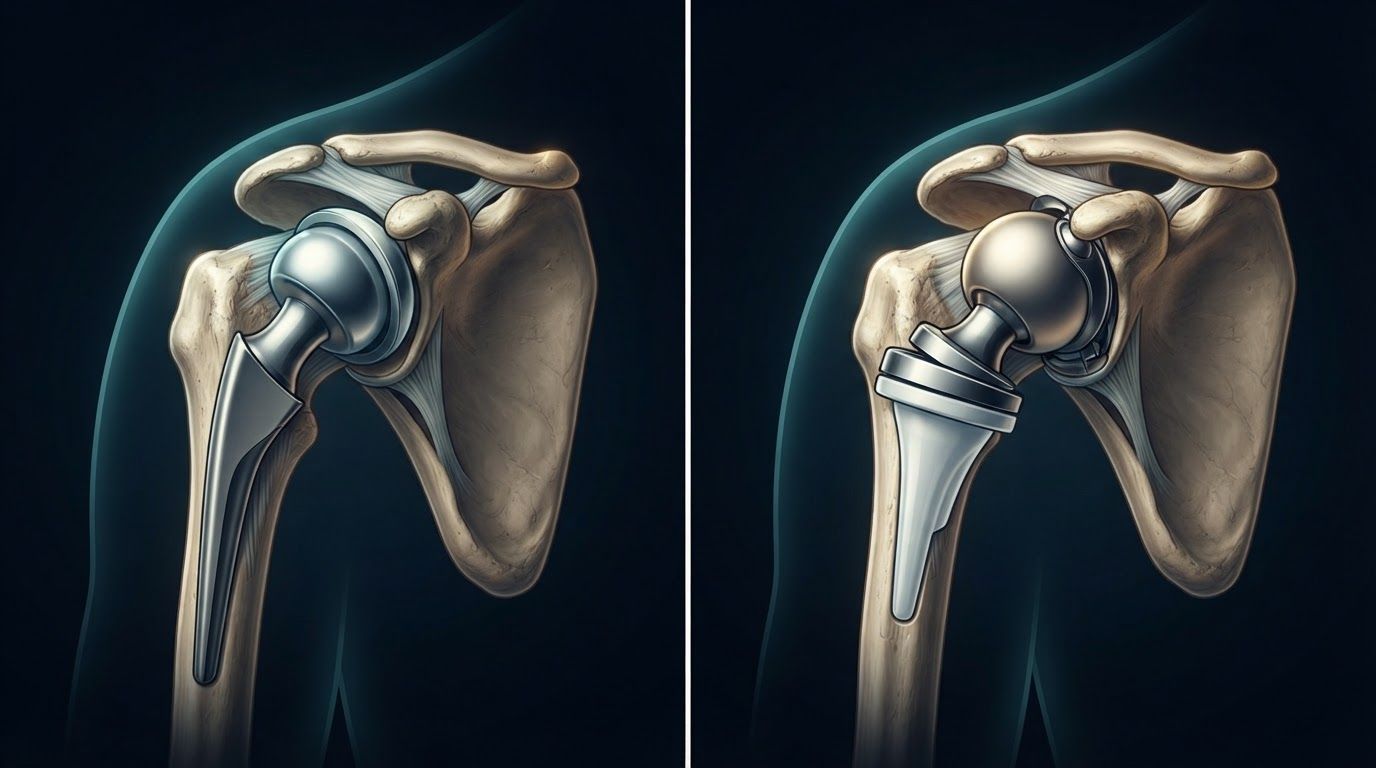
The right shoulder implant depends less on age alone than on how well your rotator cuff works. Choosing between reverse shoulder replacement and anatomic shoulder replacement requires a close look at your arthritis, tendon health, bone quality, activity level, and daily goals....
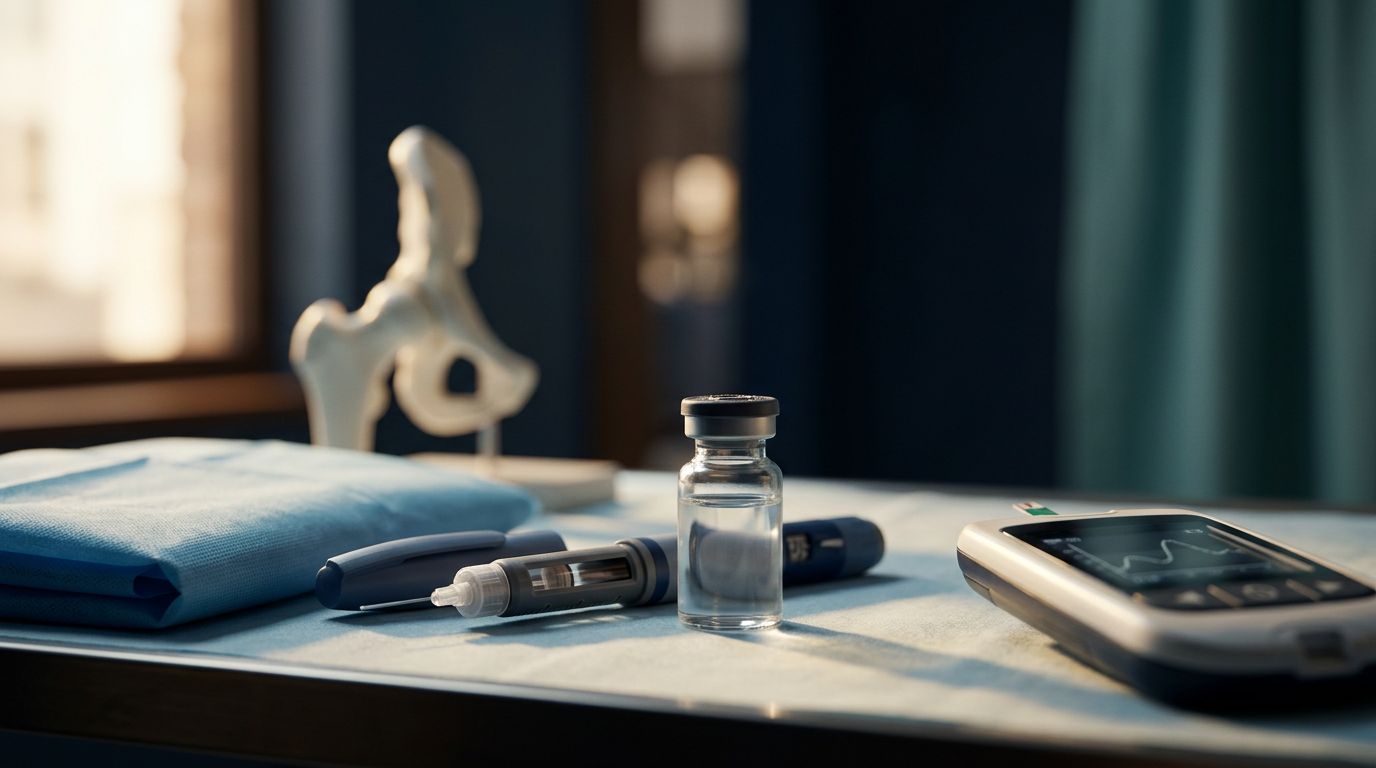
A conversation about GLP-1 before surgery belongs in your SuperPATH preparation, whether you take the medication for type 2 diabetes, weight management, or both. These medicines can affect stomach emptying, blood glucose, appetite, and how your body responds around anesthesia....

Most people want to know one thing before knee surgery: how soon will life feel normal again? The knee replacement recovery timeline usually includes early walking, daily physical therapy, and gradual improvement in strength and motion. Your recovery may move faster or slower...
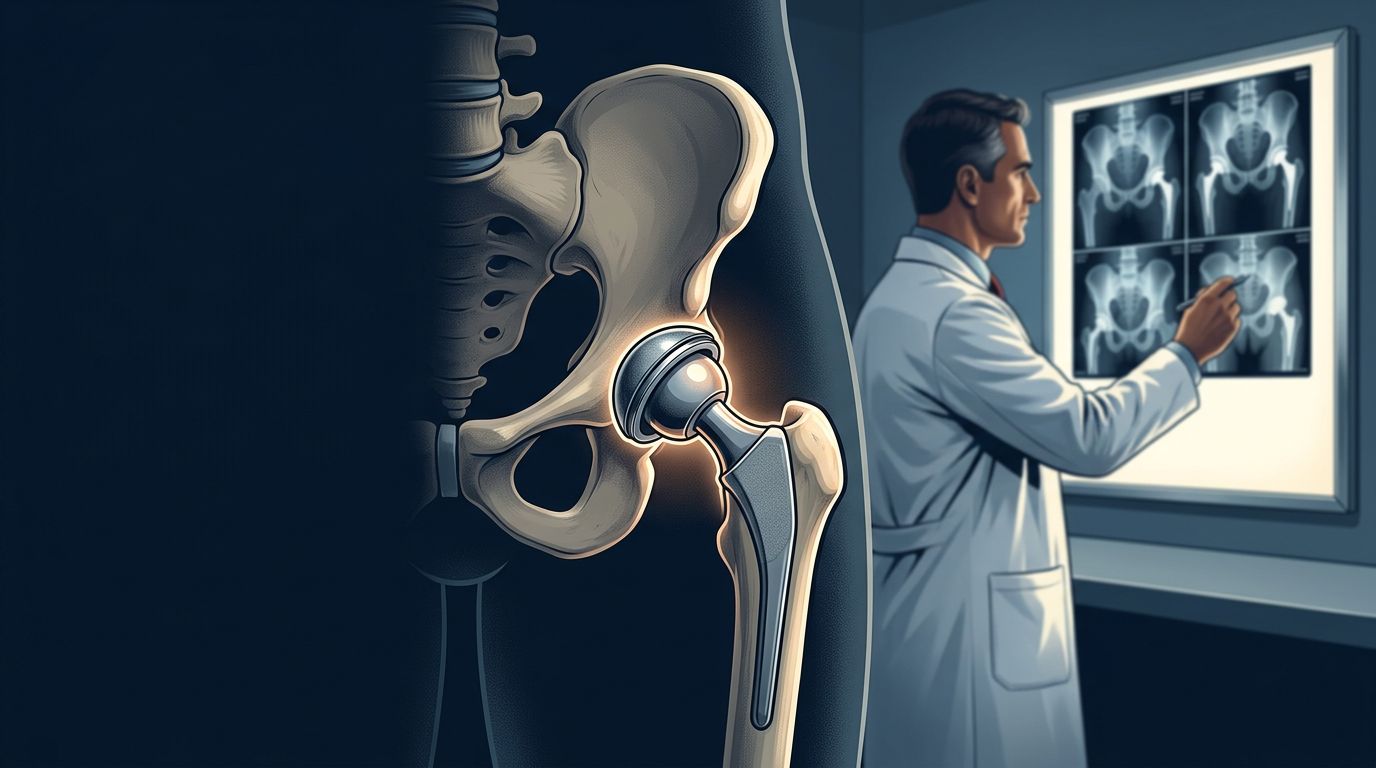
A revision hip replacement isn't an automatic next step when pain or a new hip problem develops after SuperPATH surgery. SuperPATH is a surgical approach used during the original hip replacement, and it doesn't determine whether a later problem needs another operation. Some sy...
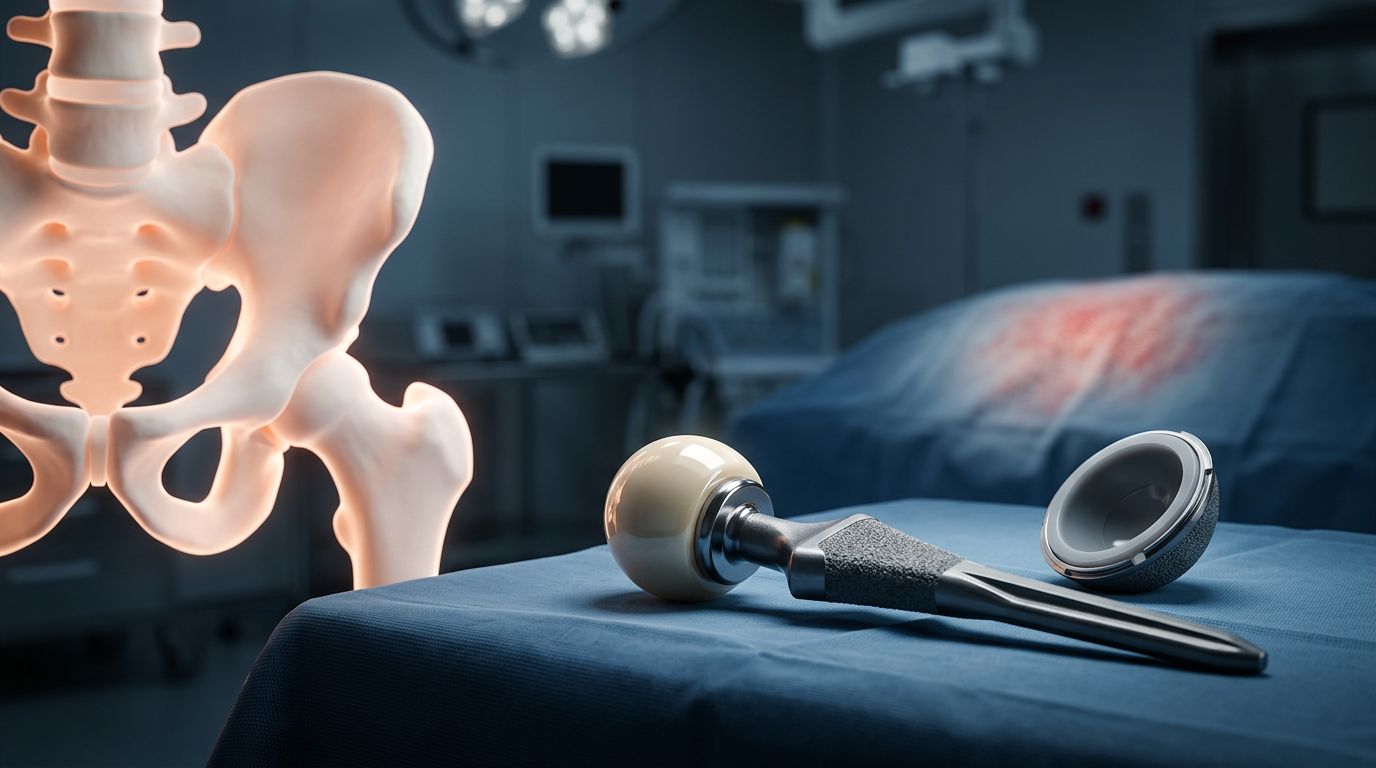
An allergy to a watch, belt buckle, or piece of jewelry can raise a serious question before hip replacement: could the implant cause the same reaction? If you've searched for metal allergy hip implants , you may have found conflicting advice about testing, ceramic components,...
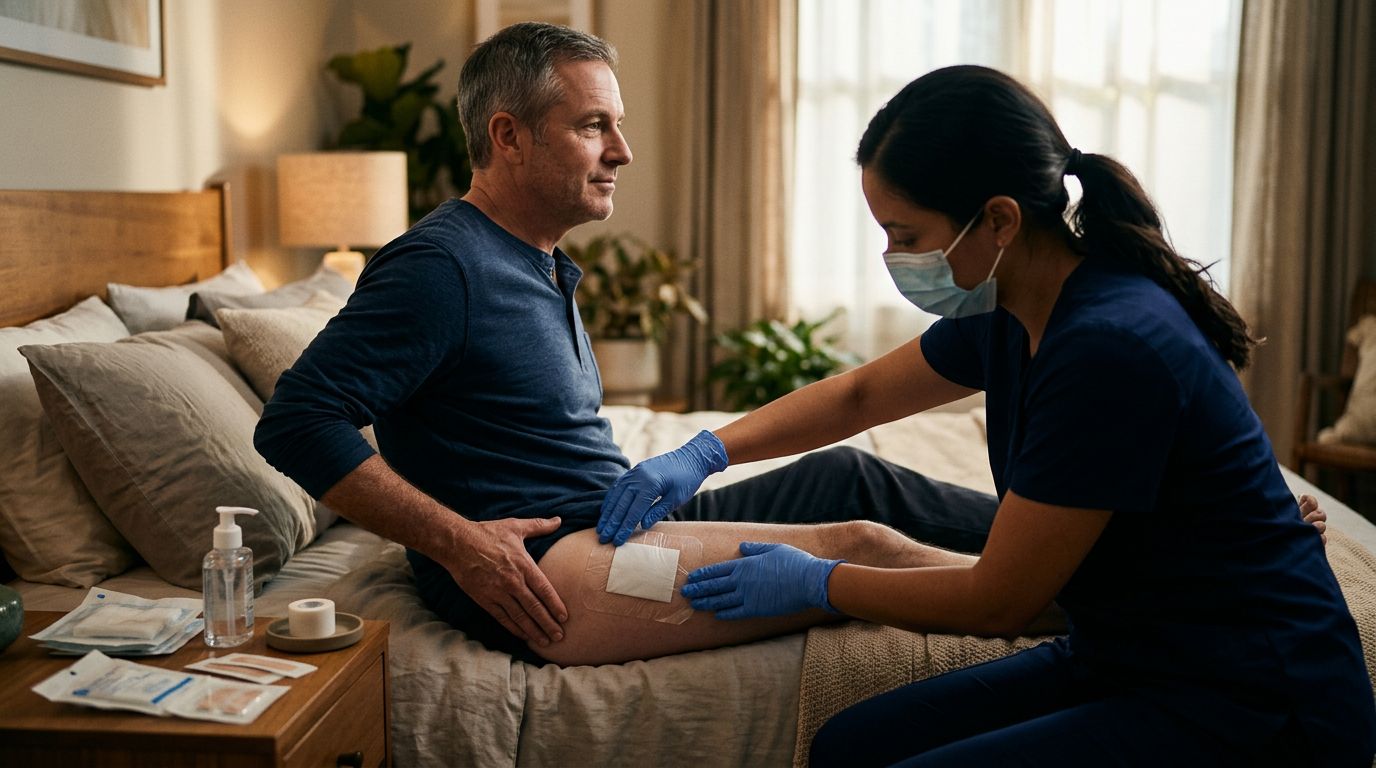
An incision can look small after hip replacement, but careful home care still matters. SuperPATH incision care starts with keeping the area clean, dry, and protected while following the instructions from your orthopedic surgeon. Your dressing and closure method determine what...