September 27, 2026
Hip Implant Loosening: When to See an Orthopedist
A hip replacement that once let you walk comfortably can become painful again. If you're worried about hip implant loosening , the change in your symptoms matters more than any single pain location. Groin or thigh pain, a returning limp, or discomfort when you first stand all deserve attention, especially after a period of improvement.
Those symptoms can also come from muscles, tendons, the lower back, infection, or another problem. An orthopedic evaluation can identify the likely cause and help you decide what to do next.
When hip implant loosening causes new pain
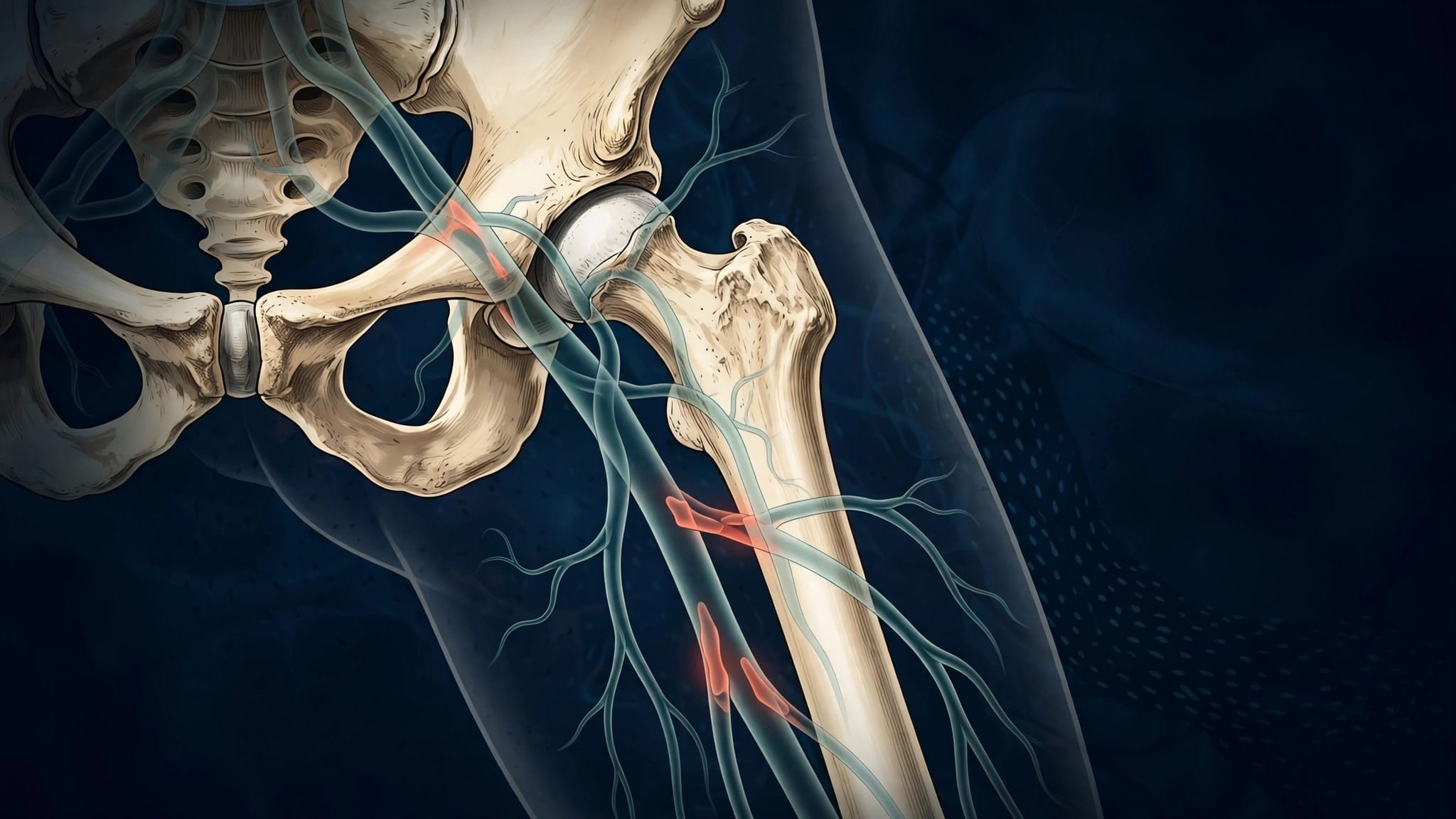
A hip replacement has a socket component in the pelvis and a stem inside the thighbone. Either component can lose its secure connection with the surrounding bone. You can't tell which part is involved, or whether either part is loose, by the way pain feels alone.
Groin pain or deep thigh pain
A loose component may cause pain in the groin, thigh, or both. Some people notice it most when they put weight on the leg. Others feel it during an ordinary activity that had become comfortable, such as walking across a room.
New pain after a comfortable period is a reason to call your orthopedic surgeon. Describe where you feel it and whether it happens with every step, after longer walks, or even at rest. Those details help guide the examination, but they don't confirm a diagnosis.
Pain when you first stand and walk
Discomfort during the first few steps after rising from a chair is sometimes called start-up pain. It can occur with a loose hip component, particularly when weight first passes through the implant.
Stiffness, muscle weakness, and other conditions can produce a similar pattern. Pay attention to whether the pain eases as you keep moving, how often it occurs, and whether it's getting worse. If standing and walking have become progressively harder, arrange an assessment rather than repeatedly pushing through the pain.
Changes in walking and hip function
Pain isn't the only reason to have a replacement checked. A change in what your leg can do may be easier to spot than a change in pain intensity.
A limp that returns or gets worse
A limp may develop because you avoid putting weight on a painful leg. Weakness, balance problems, and pain elsewhere can also change your gait. If you were walking well and now need a cane again, tell your surgeon when that change began.
Notice your usual walking distance, too. Having to stop much sooner than before gives your clinician a useful measure of lost function. A sudden inability to bear weight calls for urgent care, not a routine office visit.
A feeling that the hip won't support you
Catching, painful clicking, or a sense that the joint may give way warrants evaluation. These sensations don't necessarily mean a component is loose. They may point to instability or another issue that needs a different approach.
Don't try to reproduce a painful pop or test how much force the hip can take. If the leg looks out of position or you cannot stand after a sudden change, seek urgent help.
Why hip pain doesn't always mean loosening
The location of your pain is a clue, not a verdict. Outer hip pain after hip replacement, for example, can come from tendons, muscles, or irritated tissue over the side of the hip. Lower-back or sacroiliac joint problems can also send pain toward the hip or leg.
A painful replacement may have other causes as well. Your surgeon may consider infection, fracture, wear, instability, or a problem with the tissues around the joint. Some of these conditions can occur alongside loosening, so finding one possible explanation doesn't always end the evaluation.
Timing adds context. During early recovery, soreness and stiffness may follow activity and then settle with rest, as your surgical team advised. Pain that steadily intensifies is different. Months or years later, pain that returns after a comfortable stretch also deserves a fresh look. Neither pattern proves the implant is loose , but both give your surgeon a reason to assess it.
When to call your surgeon and when to seek urgent care
A gradual change usually allows time to contact an orthopedic office and arrange an evaluation. Sudden, severe symptoms may need care right away. If you're still recovering from surgery, follow your own surgeon's instructions for reporting new symptoms.
Contact the orthopedic team promptly
Call if pain keeps worsening, limits your walking, or no longer follows the recovery pattern you were given. Report a new limp, repeated painful catching, increasing weakness, or pain that returns after you had been doing well.
Fever, chills, or a wound that becomes redder, warmer, swollen, or begins to drain also needs prompt advice. These can be signs of infection after hip replacement. Infection requires its own evaluation and may affect the implant's stability. New calf pain or one-sided calf swelling needs prompt medical assessment because a blood clot is another possibility.
Get immediate help for a sudden loss of function
Seek urgent medical care if severe hip pain follows a fall, twist, or pop, especially when you cannot bear weight. A leg that suddenly looks shortened or turned in an unusual direction may signal a dislocation or fracture. Don't try to push the joint back into place or walk off the pain.
Chest pain, sudden shortness of breath, fainting, or coughing up blood requires emergency care. These symptoms may indicate a serious problem unrelated to loosening, including a blood clot in the lungs. They should never wait for an orthopedic appointment.
How an orthopedist evaluates a painful replacement
Your clinician combines your account of the symptoms with an examination and, often, imaging. A single symptom or image may not tell the whole story. Earlier records are useful because they show how the implant looked when you were doing well.
Your history and physical examination
Expect questions about your original operation, when symptoms began, and whether a fall or sudden movement preceded them. Your clinician may ask where the pain travels, what triggers it, and how far you can walk now compared with before.
The examination may include your gait, hip movement, leg position, strength, and tenderness around the hip or back. Your clinician may also check the incision and look for swelling or other signs of a separate problem. You don't need to perform painful movement tests at home to prepare.
X-rays and other tests
X-rays help your surgeon assess implant position and surrounding bone. Comparing current images with earlier hip replacement follow-up X-rays can reveal a change in position, a gap around a component, or bone loss. An X-ray doesn't explain every painful hip, so your clinician may recommend further imaging when the findings remain unclear.
If infection is possible, blood tests may include erythrocyte sedimentation rate and C-reactive protein. Your surgeon may also recommend a hip aspiration, which collects joint fluid for testing. These results need interpretation alongside your symptoms, exam, and images. The broader approach to tests for a painful hip replacement helps prevent a mechanical problem or infection from being overlooked.
What happens if testing suggests loosening
An evaluation doesn't automatically lead to another operation. Your surgeon first needs to establish what's causing the pain, whether a component is moving, and whether infection or bone loss is present. The treatment discussion follows those findings.
When the cause is still uncertain
If the first assessment doesn't establish loosening, your clinician may compare additional images, investigate another pain source, or arrange follow-up. Tendon pain, back problems, and changes in muscle strength call for different care than a loose implant.
Ask which findings need monitoring and what change should prompt another call. A plan should also account for how safely you can walk and manage daily tasks while the evaluation continues.
When revision surgery enters the discussion
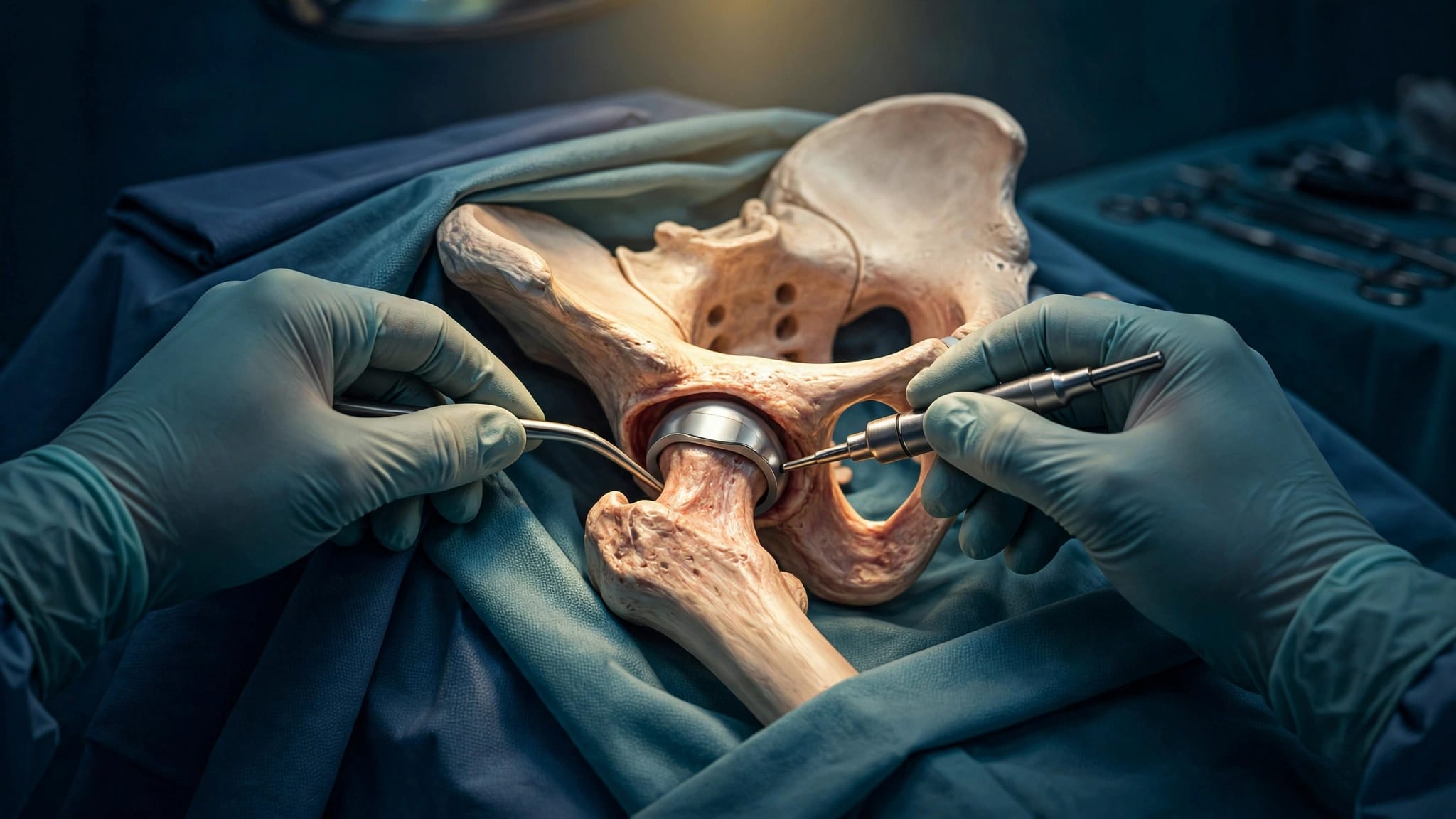
A component that has lost its fixation may require revision hip replacement. The operation depends on whether the socket, stem, or both need attention, along with the condition of the surrounding bone.
Wear of a replaceable liner or head can lead to a different procedure when the fixed components remain secure. Infection requires its own treatment plan. The distinction matters because revision options for a loose hip implant aren't the same for every patient, and revision doesn't always mean replacing every part.
Make your orthopedic visit more useful
Bring any implant card, operative report, and prior hip X-rays you have. A medication list is useful, too. If another surgeon performed the original replacement, tell the office where and when it was done so the team can request records if needed.
Write a brief timeline before your visit. Include when the pain started, its location, any fall or change in activity, and whether it occurs on the first steps or throughout a walk. Note how your walking distance has changed and whether you have fever, wound changes, or night pain.
Describe limits in plain terms. "I now stop halfway to the mailbox" tells your clinician more than "my hip hurts." That detail helps connect what the images show with what you're experiencing.
Key Takeaways
- Groin or thigh pain, start-up pain, and a returning limp can warrant an orthopedic evaluation, but none confirms hip implant loosening on its own.
- Your surgeon may use an exam, comparison X-rays, and additional tests to distinguish loosening from infection or another source of pain.
- Sudden inability to bear weight, an oddly positioned leg, or severe pain after a fall needs urgent care. Chest pain or sudden breathing trouble needs emergency care.
Frequently asked questions
Can a hip implant loosen years after surgery?
Yes. New pain or a change in walking can occur well after your initial recovery. Wear and changes in the surrounding bone may play a role, although many other conditions can also cause late pain. An orthopedist can compare your current symptoms and images with earlier findings.
Does pain when I first stand mean my implant is loose?
No single pain pattern can establish that. First-step discomfort may occur with loosening, but stiffness and other problems can feel similar. If the pain persists, worsens, or limits your walking, arrange an orthopedic assessment.
Will I need surgery if an X-ray raises concern?
Not necessarily. Your surgeon will consider your symptoms, compare earlier images, and check whether another condition explains the findings. If a component is confirmed to be loose, the discussion will focus on the affected parts, bone support, and the treatment options that fit your situation.
Conclusion
When a hip that once felt dependable starts hurting again, the change deserves an explanation . Pain location and walking symptoms provide clues, while an examination and imaging help your surgeon work out what is happening.
Arrange an orthopedic evaluation for persistent or worsening symptoms. If you suddenly cannot bear weight or develop emergency warning signs, seek immediate care instead of waiting for an appointment.
ADDITIONAL ARTICLES