November 7, 2026
Can Venous Insufficiency Affect SuperPATH Surgery?
Yes, chronic venous insufficiency can affect how your team plans SuperPATH hip replacement. Your surgeon will consider your usual leg swelling, skin condition, venous treatment, and any history of blood clots alongside your overall health.
The diagnosis alone doesn't determine whether you're a candidate. An individual assessment helps your care team decide whether surgery is appropriate and what preparation and recovery support you may need.
Key Takeaways
- Chronic venous insufficiency can cause leg swelling and skin changes that matter during a preoperative exam.
- Your team needs to know about past clots, vein treatments, medications, and your usual swelling pattern.
- SuperPATH candidacy also depends on your hip anatomy, medical health, and recovery needs.
- A postoperative plan may include walking, medication, and compression selected for your circumstances.
How Venous Insufficiency Affects the Legs
Chronic venous insufficiency, or CVI, occurs when leg veins have difficulty returning blood toward the heart. Problems with the veins or their valves can allow blood to collect in the legs, particularly when you're standing or sitting for long periods.
Symptoms can include ankle or lower-leg swelling, aching, heaviness, and visible varicose veins. Over time, some people develop brownish skin discoloration, thickened skin, or an open sore near the ankle. Symptoms vary, and you may notice changes in one leg or both.
Swelling can have other causes too, including heart or kidney problems, medications, and lymphedema. Lymphedema involves the lymphatic system and isn't the same condition as CVI, although the two can occur together.
When you're considering hip replacement, knowing the cause and usual pattern of your swelling gives the surgical team a useful starting point. It also helps the team recognize a change that needs attention later.
Assessing Leg Swelling and Skin Before Surgery
Your preoperative visit gives us an opportunity to examine both legs and understand what's normal for you. The assessment is based on your history and physical exam, not a diagnosis label alone.
Your Usual Swelling Pattern
Tell us which leg swells, where the swelling appears, and whether it changes throughout the day. It's also helpful to describe whether elevation or your existing compression routine usually improves it.
We may ask whether your symptoms have been stable or have changed. New or worsening swelling deserves attention before elective surgery, especially if one leg becomes more swollen than the other or you develop calf pain.
Depending on the findings, a clinician may recommend further evaluation. For example, ultrasound may be appropriate when symptoms raise concern for a blood clot. It isn't automatically required for every person with chronic swelling.
Skin Changes, Sores, and Infection
During the exam, the team looks for discoloration, irritation, cracked skin, and any open or draining areas. Share your history of venous ulcers or skin infections, even if they've healed.
An open wound or active infection anywhere on the body may need treatment before elective joint replacement. That can affect surgical timing while the appropriate clinician evaluates the problem.
You should also report new redness, drainage, or a skin sore that develops after your preoperative visit. Your team can decide what needs attention before the planned operation.
Reviewing Your Venous Disease and Clot History
Your history helps the team understand what you've already experienced and which treatments you're using. Bring records if they're available, but don't delay telling us about a condition because you don't have the paperwork.
Previous Vein Treatment and Blood Clots
Let your surgeon know about prior treatment for varicose veins or venous ulcers, including procedures and ongoing wound care. Describe any history of deep vein thrombosis (DVT), a clot in a deep vein, or pulmonary embolism, a clot that travels to the lungs.
If you've had a clot, the team will want to know when it occurred, how it was treated, and whether you're still taking medication for it. A prior clot is one factor in planning clot prevention after hip replacement.
Hip replacement itself carries a risk of blood clots. Your care team considers your history along with other factors, such as mobility and bleeding risk, when deciding on a prevention plan.
Medications and Compression
Bring a complete medication list, including prescriptions, over-the-counter products, and supplements. Include the name and dose of any blood thinner and the reason you take it. Some people take these medicines for a previous clot; others take them for a condition such as atrial fibrillation.
Also tell us whether you wear compression stockings or use another prescribed compression treatment. Knowing what you use and how your skin responds helps the team plan for care around the operation.
Don't stop or restart a blood thinner on your own. Your prescribing clinician and surgical team need to give you instructions that account for both bleeding and clot prevention.
Coordinating Care Before Hip Replacement
Your orthopedic surgeon may work with your primary care clinician, anesthesiologist, and the clinician who treats your venous condition. If you have a vascular specialist or receive wound care, their records and recommendations may also be useful.
Each clinician contributes a different part of the assessment. The orthopedic team evaluates your hip and surgical options. Your other clinicians may help review medical conditions, medications, and any treatment needed before surgery.
The team also considers health issues beyond your veins. Diabetes, heart or kidney disease, anemia, and other conditions can affect preparation for surgery and anesthesia. Your current mobility and the help available at home also matter when planning recovery.
A SuperPATH preoperative clearance visit brings these details together. Depending on your health history and examination, your team may request additional testing or consultation before setting a surgical plan.
If an active medical problem needs treatment first, the team may recommend addressing it before proceeding. The aim is to make a decision based on your health at the time of surgery.
Does CVI Change Your SuperPATH Candidacy?
CVI by itself doesn't automatically rule out SuperPATH hip replacement. It also doesn't establish that SuperPATH is the right approach for every patient. That decision depends on your hip and your broader medical assessment.
What the SuperPATH Approach Involves
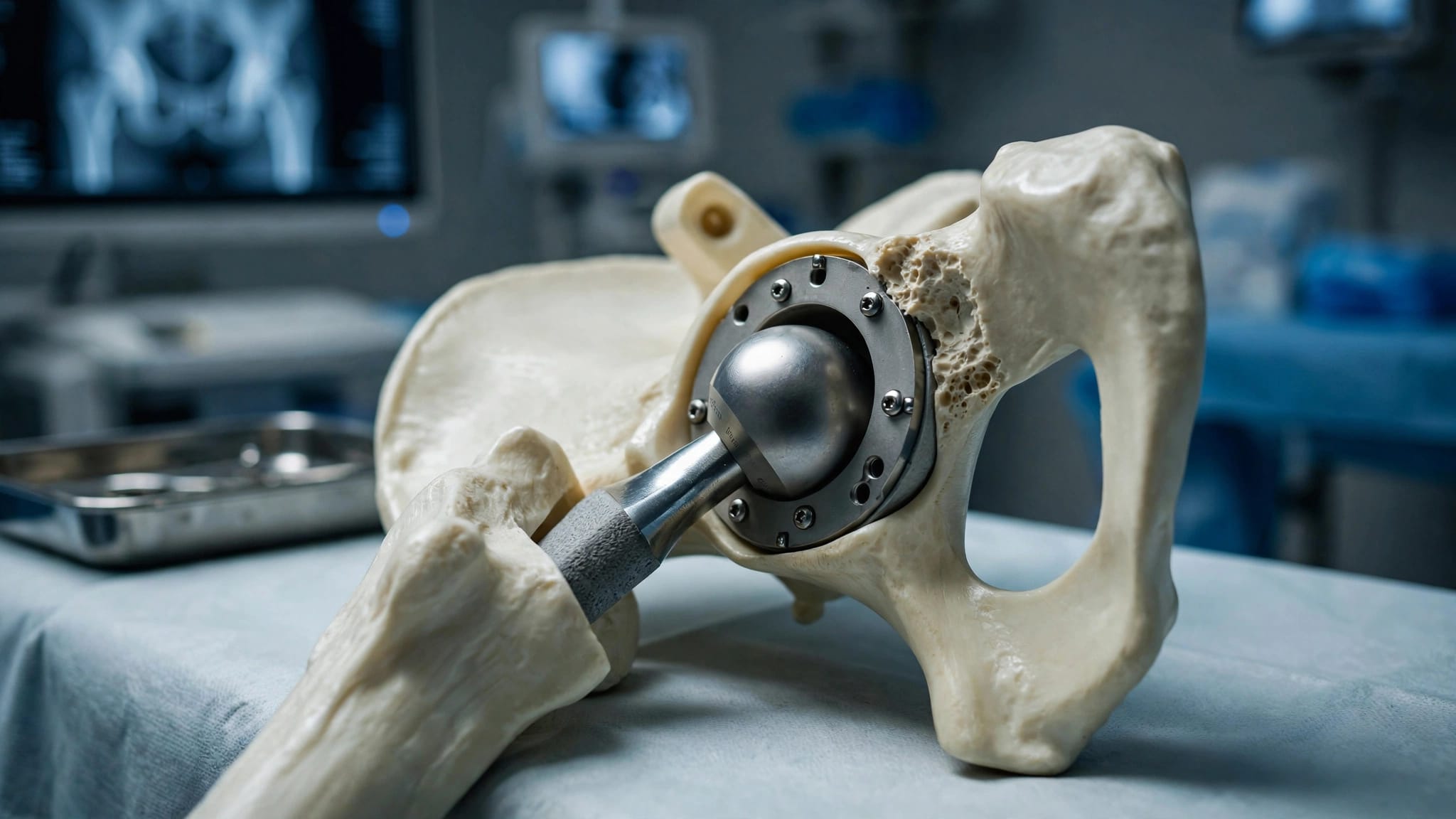
SuperPATH is a minimally invasive approach to total hip replacement. The surgeon reaches the joint through a pathway above the hip capsule, with the technique designed to limit disruption to some surrounding muscles and soft tissues.
It's still a major joint replacement. Your team must plan for anesthesia, wound care, clot prevention, pain management, and rehabilitation regardless of the surgical approach.
Matching the Approach to Your Hip
We consider the shape of your hip, bone quality, stiffness, prior operations, and any hardware when assessing whether SuperPATH fits. The surgeon needs enough access and control to prepare the bone and position the implant.
Severe deformity, a major contracture, or previous surgery can make an approach more demanding. Those findings don't automatically exclude SuperPATH, but another technique may offer better access for a particular hip.
Our discussion of how surgeons choose a hip replacement approach explains how surgical needs guide that decision.
Planning for Recovery After SuperPATH
Your postoperative instructions should account for your usual leg symptoms as well as the changes expected after hip replacement. Before you leave the surgical facility, you should know whom to contact and how to follow your medication and activity plan.
Walking and Clot Prevention
Early movement is a common part of hip replacement recovery. Your team will guide you on getting up and walking safely, often with a walker or another assistive device at first. Pain control and physical therapy help make that movement possible.
Your clot-prevention plan may include medication, compression devices, or a combination of measures. The choice depends on your individual history and the team's assessment of clotting and bleeding risks.
If you already take a blood thinner, its postoperative schedule may differ from your usual routine. Follow the written instructions your clinicians provide rather than assuming your regular dose will resume immediately.
Compression, Swelling, and Skin Care
Some swelling after hip replacement is common. Your team can explain how to position or elevate your leg and whether your existing compression routine needs to change.
Compression isn't one-size-fits-all. Stockings need to fit properly, and certain circulation problems or skin conditions may affect whether they're appropriate. Don't place a stocking over a sore or change prescribed compression without guidance.
Our guide to compression socks after SuperPATH surgery covers questions about fit and duration. Your own instructions take priority, particularly if you already use compression for a medical condition.
Know When to Seek Help
A familiar pattern of chronic swelling doesn't make a new change safe to ignore. Contact your surgical team promptly for increasing leg swelling, calf pain or tenderness, new warmth, or redness, especially when one leg changes more than the other.
Also report increasing redness or drainage at the incision, fever, or pain that keeps getting worse. The team can assess whether you need an examination or testing.
Call 911 for sudden shortness of breath, chest pain, fainting, or coughing up blood. These symptoms can signal a medical emergency, including a pulmonary embolism.
Our guide to blood clot symptoms after SuperPATH hip replacement describes additional signs to watch for during recovery.
Questions Patients Often Ask
Will I Need a Vein Procedure Before Hip Replacement?
Not necessarily. Previous vein treatment or a CVI diagnosis doesn't automatically mean you need another procedure before hip surgery. The decision depends on your symptoms, examination, and any active condition that needs treatment.
If you already see a vascular clinician, sharing that history helps your care team coordinate a plan.
Can Hip Replacement Fix Venous Insufficiency?
Hip replacement treats the damaged hip joint. It doesn't repair leg veins or replace the treatment you use for CVI.
Your care team can help you plan how to manage both conditions during recovery, including when to resume your usual activities and treatments.
An Individual Plan for Your Hip and Health
Chronic venous insufficiency is one part of the picture when you're considering SuperPATH. Your swelling pattern, skin health, clot history, and overall medical needs help shape a plan for surgery and recovery.
At Ameglio Orthopedics, we consider those details alongside your hip anatomy and treatment goals. The right next step is an orthopedic evaluation that addresses the whole picture.
ADDITIONAL ARTICLES