September 28, 2026
SuperPATH Hip Replacement With a Pacemaker: What to Ask
A pacemaker can make a planned hip operation feel less straightforward. You may wonder whether it will work properly during surgery or whether your heart condition changes the recovery plan.
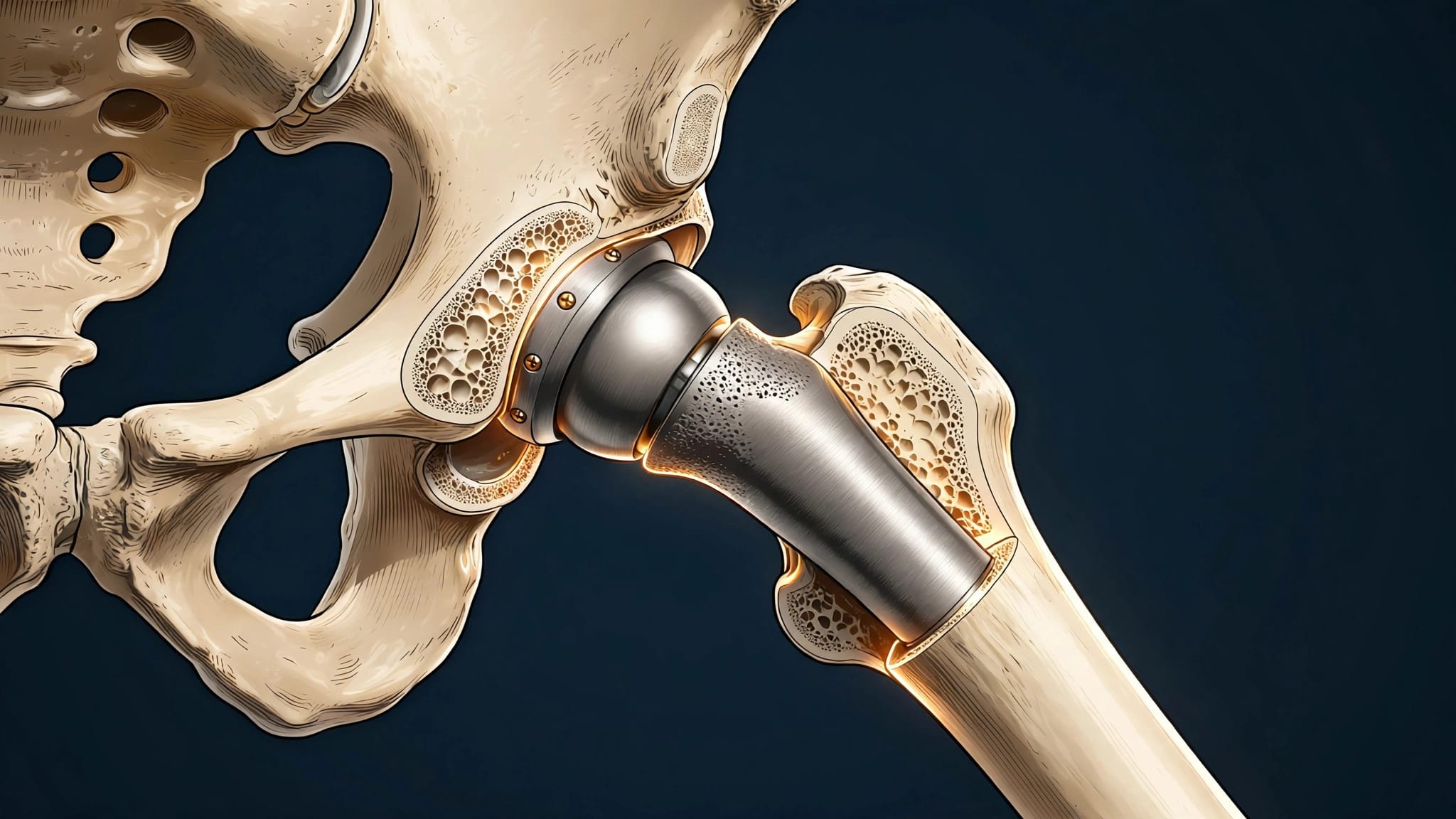
For many people, SuperPATH hip replacement remains an option , but the surgical approach doesn't remove the need for cardiac planning. Your orthopedic surgeon, cardiologist, device team, and anesthesiologist need a shared plan before the operation. The most useful questions start with what device you have and why you need it.
Does a pacemaker rule out SuperPATH hip replacement?
A pacemaker alone doesn't rule out a SuperPATH procedure. The orthopedic decision depends on your hip symptoms, imaging, anatomy, bone health, and whether this approach suits the reconstruction you need. Your heart history affects how the team prepares for surgery and anesthesia.
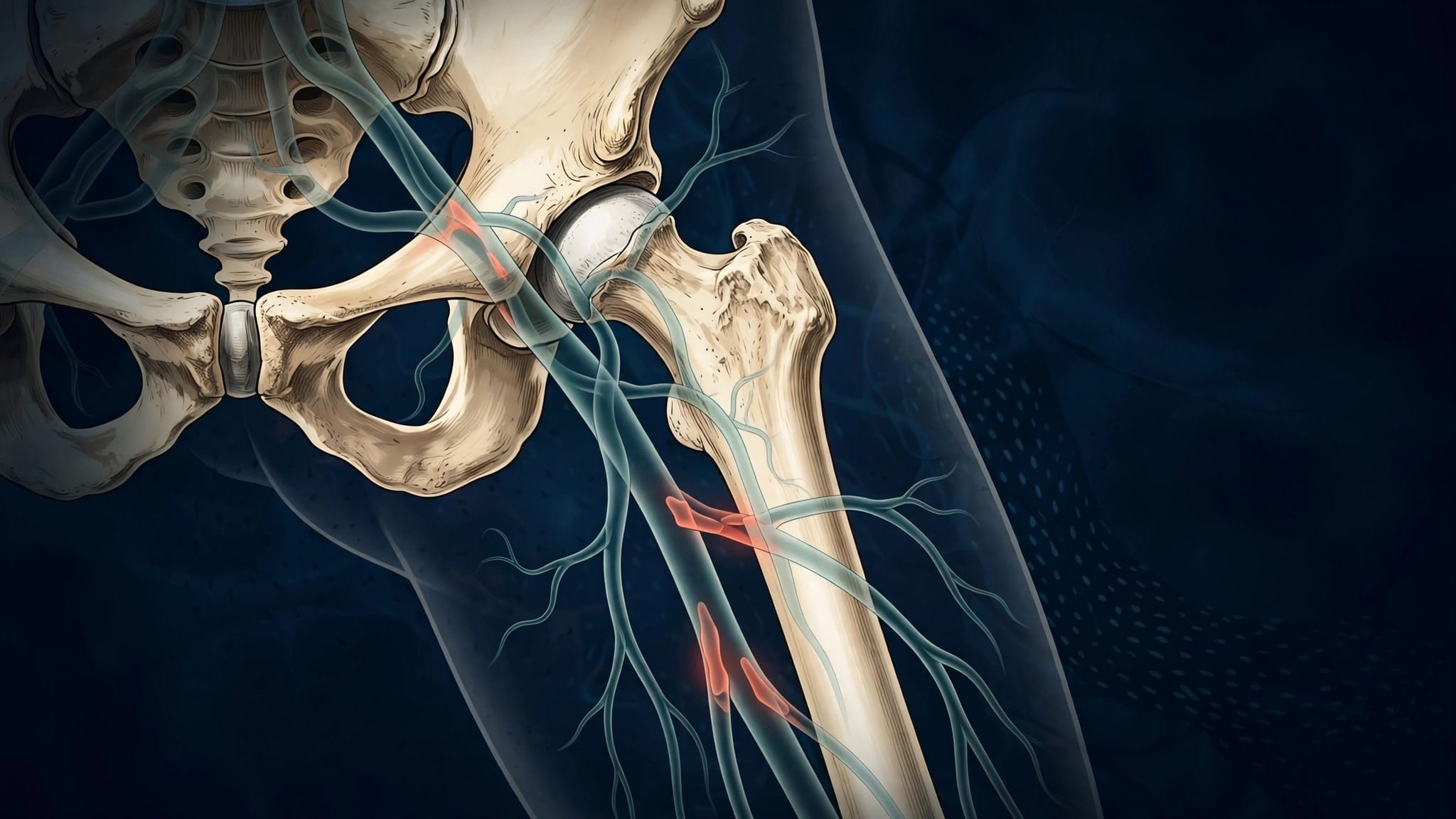
SuperPATH is a tissue-sparing route for total hip replacement. It may change how the surgeon reaches the joint, but the operation still carries the medical considerations of a major joint replacement. Those include bleeding, blood clots, anesthesia, and the demands of early recovery.
Tell your surgeon about your pacemaker at the first consultation, rather than waiting for preoperative testing. Mention any defibrillator function, heart failure, fainting episodes, or recent change in exercise tolerance. That gives the team time to coordinate preoperative clearance for SuperPATH hip replacement and decide whether another evaluation is needed.
Which pacemaker details should the team have?
"My pacemaker is working fine" is useful to hear, but it isn't enough for an operating-room plan. The team needs to know what the device does, how you depend on it, and how it responds to interference.
Identify the device and its functions
Bring your device identification card and the contact information for the clinic that checks it. The card can help confirm the manufacturer and model. If you have a recent device report, ask whether the surgical and anesthesia teams need a copy.
A pacemaker, an implantable cardioverter-defibrillator (ICD), and a combined device can require different precautions. An ICD can deliver treatment for dangerous rhythms; some devices also provide pacing. Ask: "What type of device do I have, and who will confirm its settings before surgery?"
Ask whether you depend on pacing
Some people rely on their pacemaker to maintain an adequate heart rate. Others have an underlying rhythm that can support them if pacing pauses briefly. Your device team, rather than symptoms alone, can assess how much you depend on pacing.
Ask when your device was last checked, whether its battery and leads are functioning as expected, and whether it has recorded recent rhythm problems. Sedation can change the underlying heart rate, so the anesthesiologist needs this information even if you feel well day to day.
What cardiac evaluation belongs before surgery?
A pacemaker manages certain heart-rhythm problems. It doesn't, by itself, tell your clinicians whether you have symptoms or conditions that need attention before a hip replacement.
Describe changes your hip pain might hide
Tell your cardiologist and anesthesiologist about chest discomfort, unusual shortness of breath, fainting, new swelling, or a recent hospital stay. Also mention a change in what you can do physically.
Hip pain can limit walking before a heart symptom becomes apparent during exercise. If you can't climb stairs because of your hip, say so. Your clinicians can consider your history and current symptoms without treating limited mobility as proof of either good or poor heart function.
Ask which tests would change the plan
A current device assessment may be important, but every patient doesn't need the same cardiac tests. An electrocardiogram, echocardiogram, or other evaluation depends on the findings and the decisions it could inform.
A useful question is: "Is there anything in my heart history that changes the timing, anesthesia plan, or recovery setting?" That helps separate a necessary evaluation from a routine test that wouldn't affect care.
How could surgery interfere with a pacemaker?
Surgeons may use electrocautery to control bleeding. Certain forms, particularly monopolar cautery, can produce electromagnetic interference that a cardiac device may mistake for heart activity. In a person who depends on pacing, that mistaken signal could temporarily inhibit pacing.
Why hip surgery usually carries lower interference risk
The hip is below the belly button, away from the usual pacemaker position in the upper chest. According to guidance discussed by the American Heart Association and the Anesthesia Patient Safety Foundation, surgery below the umbilicus generally poses less interference risk than surgery near the device.
Lower risk still calls for a plan. The location of the device, planned equipment, and path of electrical current all matter. The surgical team may reduce exposure by using short cautery bursts, keeping current away from the device and leads, or choosing another suitable instrument. Ask your surgeon and anesthesiologist what they expect to use.
Ask whether settings or a magnet will change
For some operations, the team may decide the pacemaker needs no temporary adjustment. In other circumstances, especially when someone depends on pacing and meaningful interference is expected, the device team may recommend temporary programming or a magnet plan.
A magnet isn't a universal fix. Its effect depends on the device, and an ICD's shock function raises a separate question from its pacing function. Ask who will decide whether any change is needed, who will carry it out, and how the device will return to its usual settings afterward. SuperPATH hip replacement doesn't create a separate rule for these decisions.
What should you discuss with the anesthesiologist?
The anesthesia plan should account for both your hip operation and your cardiac device. Your options may include general anesthesia or spinal anesthesia with sedation, depending on your health, medications, and surgical needs. Neither option eliminates the need to review the pacemaker.
Discuss sedation and backup plans
Ask how the team will monitor your heart rhythm and pulse during the operation. Continuous ECG shows electrical activity; a separate pulse measure helps confirm that blood is circulating. The anesthesiologist can also explain what equipment and personnel would be available if a rhythm or device problem occurred.
Be sure to describe prior anesthesia reactions, sleep apnea, lung disease, and any history of low blood pressure during procedures. These details help shape anesthesia planning before hip replacement.
Confirm the plan reaches everyone
The cardiologist or device clinic may recommend a device strategy, while the anesthesiologist applies it in the operating room. Ask who will send the device information to the surgical center and who will confirm the plan on surgery day.
If a temporary setting change is planned, ask who is responsible for restoring it. That responsibility should be clear before you arrive, particularly if discharge on the day of surgery is being considered.
Do heart medicines and blood thinners need a separate plan?
Having a pacemaker doesn't automatically mean you take a blood thinner. If you do take one, its purpose matters. Atrial fibrillation, a prior blood clot, or a coronary stent can lead to different medication questions.
Review every medicine and its reason
Bring an up-to-date list with doses, including prescriptions, over-the-counter pain relievers, and supplements. Ask which medicines to take on surgery morning and which require a written pause or dose change. Don't stop a heart or blood-thinning medicine based on a general hip-surgery checklist.
For example, someone taking an anticoagulant for atrial fibrillation needs a plan that weighs stroke risk against surgical bleeding. Kidney function and the proposed anesthesia also affect timing. The discussion of anticoagulation before SuperPATH surgery for atrial fibrillation can help frame questions for your treating clinicians.
Separate regular treatment from clot prevention
After hip replacement, patients also need a plan to reduce the risk of a leg or lung blood clot. That postoperative plan may overlap with, but isn't automatically identical to, your usual anticoagulant treatment.
Ask who will decide when your regular medicine resumes and whether you'll receive a different clot-prevention medicine in the meantime. The answer depends on bleeding, mobility, and your medical history. Review blood clot prevention after SuperPATH hip surgery with your surgeon, and make sure your cardiology team knows the final medication plan.
What monitoring happens after the operation?
Pacemaker planning continues after the surgeon finishes. In recovery, staff watch your heart rhythm, pulse, blood pressure, breathing, and response to anesthesia. They also assess pain and whether you can begin moving safely.
Ask when the device will be checked
If the team temporarily changes device settings, those settings need to be restored as planned. A device check may also be appropriate if interference is suspected or a concerning event occurs during surgery. Ask whether a check is planned, who will arrange it, and what must happen before discharge.
A short stay shouldn't be assumed because the incision is smaller. The decision depends on how you feel, your heart status, mobility, pain control, and the support available at home.
Know what to report during recovery
Tell your care team promptly about palpitations, faintness, new shortness of breath, unusual weakness, or symptoms that feel like those you had before receiving the pacemaker. Report wound bleeding and new leg swelling as well.
Before leaving, confirm whom to call about device concerns and whom to call about hip or medication problems. Seek urgent medical attention for chest pain, severe breathing trouble, or fainting.
Key takeaways
- A pacemaker doesn't automatically prevent SuperPATH hip replacement, but the approach doesn't reduce the need for cardiac planning.
- Your teams need the device type, recent check information, and an assessment of whether you depend on pacing.
- Hip surgery usually poses less electromagnetic interference risk than surgery near a chest device. The operating-room team still needs a device-specific plan.
- Medication instructions, postoperative clot prevention, device settings, and discharge monitoring should each have a clear owner.
Frequently asked questions
Will my pacemaker be turned off for hip surgery?
You shouldn't assume it will be turned off. The plan may involve leaving settings unchanged, temporarily adjusting them, or using a magnet under defined circumstances. Your device and anesthesia teams decide based on the device, your pacing needs, and the expected interference.
Can I have spinal anesthesia with a pacemaker?
A pacemaker alone doesn't settle the anesthesia choice. Your anesthesiologist will consider your heart history, other medical conditions, surgical needs, and medicines. Blood thinners are especially important to discuss when spinal anesthesia is under consideration.
Does a smaller incision mean I can go home the same day?
Some patients can leave on surgery day, while others benefit from observation. Your ability to walk safely and your condition after anesthesia matter more than incision size alone. Ask what findings would lead your team to recommend an overnight stay.
Conclusion
A pacemaker adds questions to a hip replacement plan, but it doesn't answer whether SuperPATH is right for your hip. The shared plan matters most: identify the device, agree on surgical precautions, settle medication instructions, and confirm recovery monitoring.
Bring your device card and medication list to your orthopedic visit. Those details give your surgeon, cardiologist, and anesthesiologist a sound starting point for the conversation.
ADDITIONAL ARTICLES