June 29, 2026
Clicking or Popping After SuperPATH: What It Means
A bout of SuperPATH clicking or popping can be unsettling, especially when you're hoping recovery is on track. The sound alone does not always mean trouble. After hip replacement, muscles, tendons, swelling, and movement patterns all change, and those changes can create new noises.
What matters most is the pattern around the sound. A quiet click that shows up during certain motions is different from a painful pop with weakness or a sense that the hip is slipping. Knowing the difference can help you stay calm and know when to call your surgeon.
Why the hip may click or pop after SuperPATH
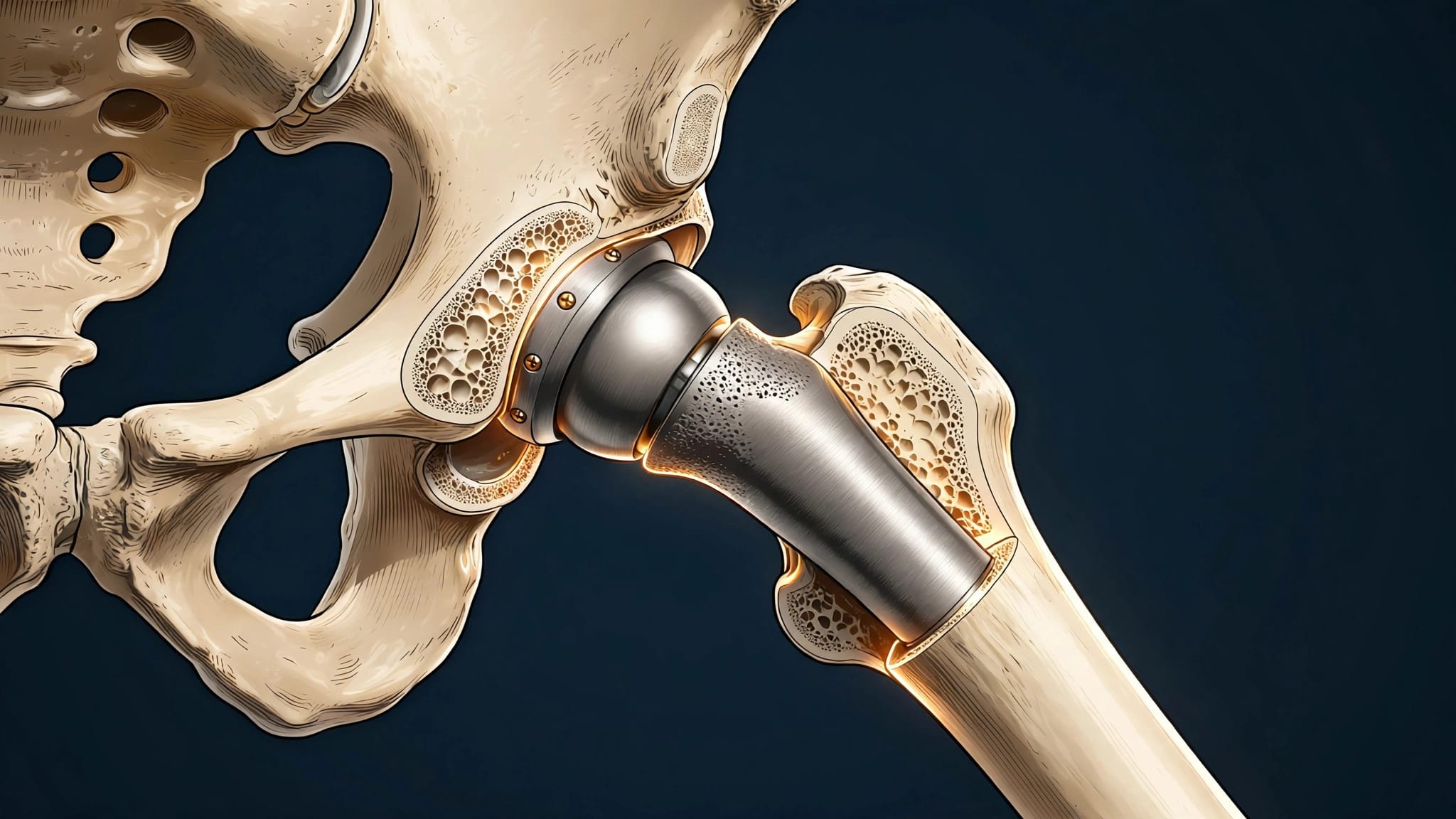
SuperPATH is designed to spare more soft tissue than some other hip approaches, but the hip still needs time to heal. The joint, the muscles around it, and the tissues that hold everything in place all adjust after surgery. During that process, a click or pop can appear when you stand, turn, walk, or lift the leg.
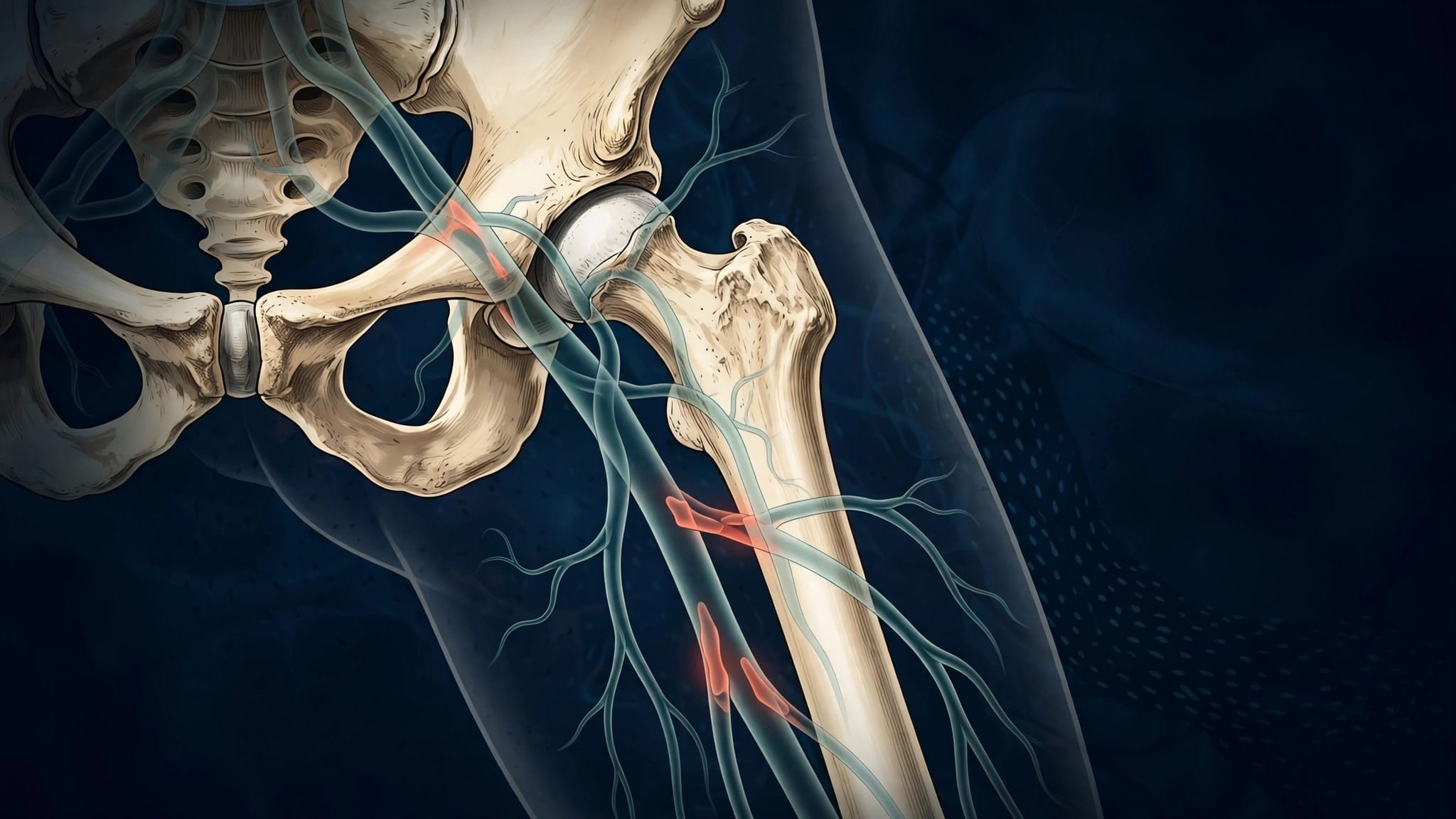
Sometimes the sound comes from a tendon moving over bone. Sometimes it comes from scar tissue or swelling changing the way the joint moves. As your gait changes, the hip may also move in a slightly different way than it did before surgery. That can create sounds you never noticed before.
Early recovery often feels uneven. The week-by-week SuperPATH recovery timeline gives a helpful sense of why the first days and weeks can feel unpredictable.
A sound by itself does not tell the whole story. The rest of the picture matters more. If the hip feels better over time, moves more smoothly, and the noise fades, that usually points toward normal healing.
Sounds that often fit normal healing
Not every click needs a warning sign attached to it. In many cases, the noise is part of soft-tissue healing or movement changes after surgery. The hip is learning a new pattern, and that can take time.
A sound is more likely to be part of the usual recovery process when it has these features:
- It happens only during certain motions, such as getting out of a chair or turning in bed.
- It is brief and does not linger.
- It does not bring sharp pain.
- It becomes less common as swelling and stiffness improve.
- It does not make the leg feel weak, loose, or unstable.
Some people notice the sound more at the start of the day or after sitting for a while. Others hear it when they first begin walking longer distances. That can happen because the tissues are still warming up and the muscles around the hip are not yet working at full strength.
The sound may also change as you heal. A click that feels loud in week two may fade by week six. That kind of change is reassuring.
A painless, occasional sound that improves over time is often part of recovery, not a sign that the joint is failing.
Red flags that should prompt a call
A hip that pops without pain is one thing. A hip that pops and then hurts, gives way, or feels unsafe is another. Some symptoms need prompt attention, and they should not be brushed off.
Call your surgeon if the clicking or popping comes with any of these signs:
- Worsening pain , especially pain that is getting worse instead of better.
- Instability , including a feeling that the hip is shifting, sliding, or giving out.
- Inability to bear weight on the leg.
- Fever or chills .
- Drainage from the incision.
- Swelling that is increasing rather than easing.
- A sudden change in how the hip feels, such as a new limp or a sense that the joint does not trust your weight.
These symptoms can point to a problem that needs a closer look. Fever, drainage, redness, and worsening swelling can raise concern for infection. Instability or loss of weight-bearing can point to a mechanical issue that should be checked right away.
If the hip gives out, you can't put weight on the leg, or the pain is severe, seek urgent medical help. Do not try to "walk it off." A joint that feels unreliable needs direct evaluation.
What you can do while the hip settles
Small changes in daily habits can keep irritation down while the tissues heal. The goal is not to force the hip to be silent. The goal is to keep it comfortable and stable while recovery moves forward.
Start with your surgeon's instructions. If you were given a walker, cane, or weight-bearing limits, follow them closely. Those tools are there to reduce stress on the joint while your muscles catch up.
Short, regular walks are usually better than one long push. Sudden twists, low chairs, and quick pivots can trigger noise or soreness. Getting in and out of a car, climbing stairs, and turning in bed can also bring on a click when the tissues are still healing.
Swelling can add to the feeling that something is off. If your leg feels puffy or tight, the article on how long swelling lasts after SuperPATH hip replacement can help set expectations for the normal course of recovery.
These habits often help:
- Move with control instead of speed.
- Use pillows and seating that keep the hip in a comfortable position.
- Rest when the joint feels irritated.
- Take medicines only as directed.
- Use ice or other swelling care only if your surgeon approved it.
Sharp pain is a signal to stop. Mild effort is one thing, but pain that makes you protect the leg or change your stride can slow recovery. A steady pace usually works better than trying to do too much in one day.
When follow-up or therapy makes sense
Sometimes the clicking is not dangerous, but it still deserves a follow-up. If the sound stays the same for weeks, gets louder, or starts to affect your walking, ask your surgeon about it. A simple exam can tell a lot about how the hip is moving and whether the issue is coming from the joint, the muscles, or your gait.
Rehab can matter here. Weak hip muscles, tight tissues, and poor walking mechanics can all make the joint sound or feel odd. Some people do well with a home exercise plan. Others improve more with formal therapy and close supervision.
If your walking still feels uneven, the article on post-operative physical therapy for SuperPATH patients may help you think through the next step. A surgeon can also decide whether therapy, a change in activity, or an exam is the best move.
The main point is simple. Recovery should trend toward more comfort, more control, and less worry. A noisy hip that is getting better is different from a noisy hip that is getting weaker.
Conclusion
A click or pop after SuperPATH can come from normal healing. Muscles, tendons, scar tissue, and swelling all change the way the hip moves, and that can create new sounds.
What matters most is the company those sounds keep. Worsening pain, instability, inability to bear weight, fever, drainage, swelling, or a hip that feels like it is giving out should prompt a call to your surgeon.
If the sound is mild, brief, and fading as recovery improves, it often fits the healing process. A calm pattern usually stays calm, and that pattern tells you a lot.
ADDITIONAL ARTICLES