August 13, 2026
SuperPATH Hip Replacement and Obesity: Plan for Recovery
If you're researching SuperPATH hip replacement obesity , you may be weighing pain relief against concerns about anesthesia, wound healing, mobility, and recovery. Those concerns deserve a clear plan, not judgment about your body.
Obesity can affect surgical risk and practical details of care, but it doesn't automatically rule out hip replacement or a SuperPATH approach. Your orthopedic surgeon, anesthesiologist, and medical team can review your health, medications, mobility, and goals before recommending a safe path. Start by understanding what SuperPATH can offer and where careful planning matters most.
What SuperPATH hip replacement can offer
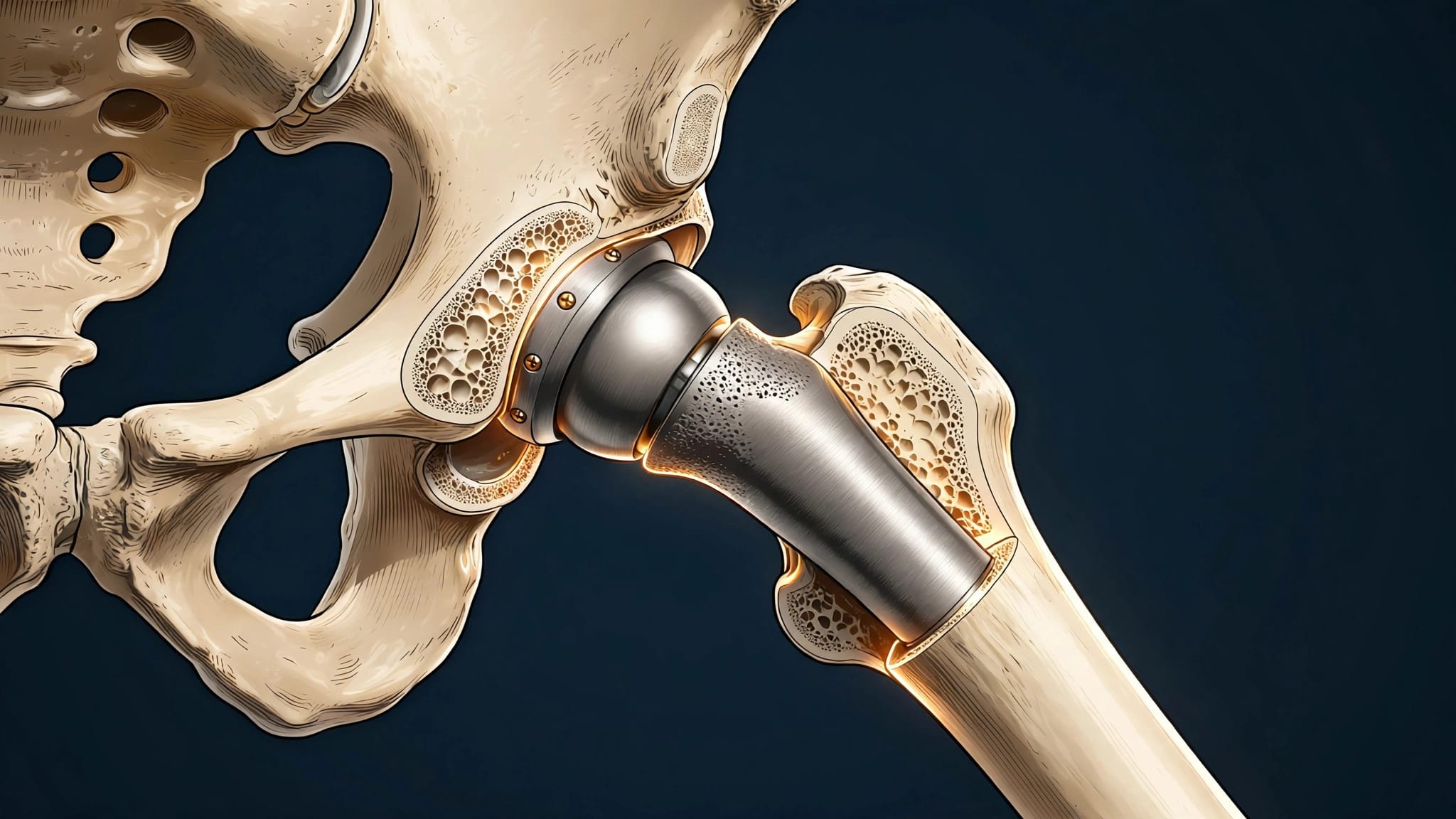
SuperPATH is a tissue-sparing approach to total hip replacement. The name refers to "supercapsular percutaneously assisted total hip" surgery. The surgeon accesses the hip through the capsule while working to limit disruption to surrounding muscles and tendons.
Unlike some traditional techniques, SuperPATH doesn't require routine dislocation of the hip during the operation. Surgeons use specialized instruments and a smaller access point to remove damaged joint surfaces and place the artificial components. The exact incision, instruments, and surgical steps vary based on your anatomy and your surgeon's technique.
A smaller or muscle-sparing approach may support earlier movement for some patients. However, it doesn't eliminate the normal risks of joint replacement. Infection, blood clots, bleeding, leg-length concerns, dislocation, nerve injury, and implant problems remain possible. Your overall health and the experience of your surgical team matter as much as the approach itself.
Recovery also depends on your strength before surgery. A person who has spent months avoiding movement because of hip pain may need more support than someone who remains active. Body size, balance, heart and lung health, sleep quality, and home conditions can all affect the pace.
You can review the general procedure through this guide to hip replacement surgery in Fort Myers, then ask how the recommended approach applies to your situation.
Planning for SuperPATH hip replacement obesity
Searches for SuperPATH hip replacement obesity often reflect a practical concern: does a minimally invasive approach change the risks associated with higher body weight? The answer depends on more than a weight or body mass index number.
Obesity can increase the chance of wound problems, infection, blood clots, breathing difficulties, and anesthesia-related complications after major surgery. It can also make positioning, surgical exposure, transfers, and equipment selection more demanding. These concerns call for preparation rather than assumptions about what you can or cannot do.
Some hospitals and surgeons use BMI guidelines for elective joint replacement. Policies differ, and a guideline doesn't tell the full story. Your surgeon may also consider your blood sugar, blood pressure, sleep apnea, mobility, nutrition, skin health, and previous operations. Two people with the same BMI may have very different surgical needs.
During your consultation, expect a review of:
- Diabetes control and recent blood work, including whether blood sugar is stable enough for surgery.
- Sleep apnea, home oxygen use, asthma, or other breathing conditions that may affect anesthesia.
- Heart health, blood pressure, kidney function, and the ability to walk or climb stairs.
- Medicines such as blood thinners, insulin, steroids, anti-inflammatory drugs, and GLP-1 medications.
- Previous abdominal, hip, or spine surgery that could affect positioning or the surgical plan.
- Equipment needs, including the operating table, transfer aids, walker, bed, and bathroom supports.
The phrase SuperPATH hip replacement obesity can sound like a single yes-or-no question, but your evaluation needs this broader medical picture. Ask your surgeon what risks apply to you, what can be improved before surgery, and whether the facility has experience caring for patients with similar mobility and equipment needs.
Prepare your body and home before surgery
Build strength without aggravating the hip
Preoperative conditioning, often called prehabilitation, can help you use a walker, stand from a chair, and complete daily tasks after surgery. The goal isn't to force painful exercise or reach a specific appearance. It is to improve function safely.
A physical therapist can recommend movements that protect the arthritic hip while strengthening the arms, core, and legs. Seated exercises, short walks, pool therapy, and gentle range-of-motion work may fit some patients. Your therapist should adjust the plan if pain, balance, or breathing limits activity.
Weight management may also be part of the discussion. Even modest weight loss can improve walking tolerance, blood pressure, blood sugar, and breathing for some people. Avoid crash diets before surgery because restrictive eating can reduce protein and other nutrients needed for healing. A physician or registered dietitian can help create a plan that fits your medications and health conditions.
If you smoke or use nicotine, ask when to stop and what support is available. Nicotine can interfere with wound healing. Also tell the surgical team about every prescription, over-the-counter drug, vitamin, and supplement you take. Don't stop blood thinners, diabetes medicines, or weight-management drugs without instructions from your prescribing clinician and anesthesia team.
Make the first weeks easier at home
Arrange transportation and help before the operation. You may need assistance with meals, bathing, laundry, pets, and medication reminders while walking is still uncomfortable. Ask how long you should expect to need another adult nearby.
Prepare a firm chair with arms and a bed that isn't too low. A raised toilet seat, shower chair, handheld showerhead, and properly sized walker can reduce strain during transfers. Choose equipment that meets the manufacturer's weight rating and fits your body safely.
Clear loose rugs, cords, and narrow pathways. Keep commonly used items within easy reach, and plan a sleeping area on the main floor if stairs are difficult. Practice using the walker and sitting down without twisting before surgery, ideally with a physical therapist.
Recovery after SuperPATH hip replacement with obesity
Early recovery usually focuses on safe transfers, walking, pain control, and prevention of complications. Many patients begin walking soon after surgery, but your weight-bearing instructions will depend on the implant, bone quality, surgical findings, and your surgeon's protocol.
With SuperPATH hip replacement obesity remains relevant during recovery because transfers and walking may require more effort. A larger body can increase pressure on the incision and place extra demands on the arms, legs, and heart during movement. That doesn't mean progress is out of reach. It means the care team should plan support around your actual strength and home environment.
Physical therapy may begin with short, frequent walks rather than long sessions. Use the walker until your therapist confirms that your gait is stable. Avoid adding exercises, driving, lifting, or household tasks ahead of schedule because the incision feels better before the deeper tissues have fully recovered.
Recovery rarely follows a perfect calendar. Pain and sleep may improve first, while endurance and confidence take longer. The SuperPATH hip replacement recovery timeline can help you understand common milestones, but your surgeon's instructions take priority.
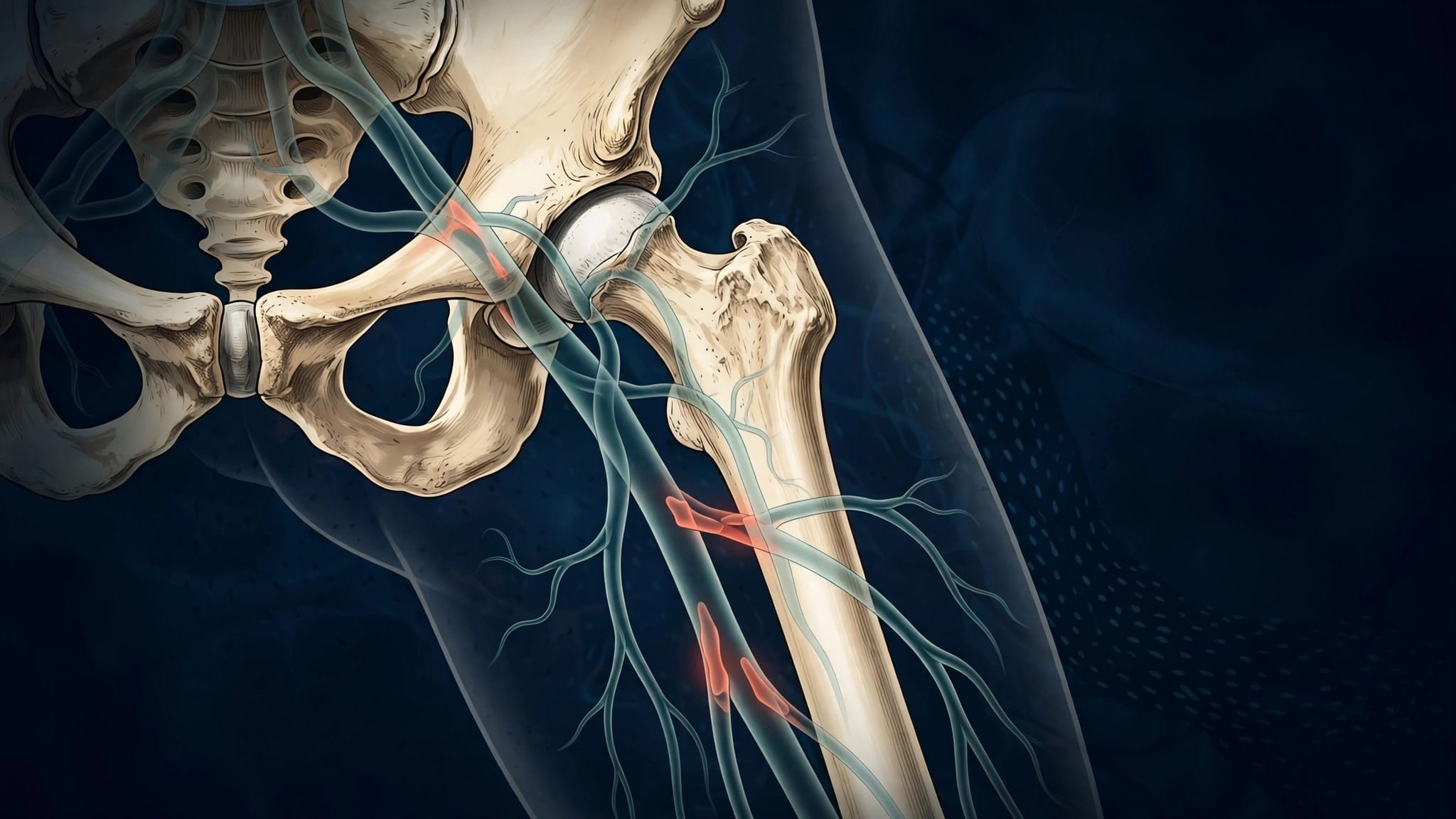
Monitor the incision every day. Contact your care team for increasing redness, drainage, opening of the wound, fever, or pain that suddenly worsens. A new painful or swollen calf may indicate a blood clot. Chest pain or shortness of breath requires emergency care.
Your team may also recommend strategies for clot prevention, including medication, walking, compression devices, or stockings. Follow those instructions closely, especially if reduced mobility makes it harder to move around during the first days at home.
Questions to ask an orthopedic surgeon
A useful consultation should address both the operation and the recovery setting. Consider asking:
- How much experience do you have performing SuperPATH surgery for patients with my body size and medical history?
- What complications are more likely in my case, and which ones can preparation reduce?
- Does your hospital have operating tables, transfer equipment, and recovery supports rated for my needs?
- Will I need medical clearance for diabetes, heart disease, sleep apnea, or another condition?
- What weight-bearing and hip precautions will apply after surgery?
- How soon will physical therapy begin, and who should I call if progress stalls?
- Which medicines should I continue, pause, or restart around surgery?
- What support will I need at home, and should I plan for home health or outpatient therapy?
A surgeon should answer these questions plainly. You should also feel comfortable discussing weight without shame or pressure. Good planning considers the whole person, including pain, mobility, nutrition, mental well-being, medications, and long-term goals.
Conclusion
SuperPATH hip replacement may offer a tissue-sparing option for patients who need relief from severe hip pain, but obesity still deserves careful attention during surgical planning and recovery. Medical optimization, appropriate equipment, prehabilitation, home support, and close wound monitoring can make the process safer and more manageable.
If you're considering surgery, bring a complete medication list and a clear description of your daily mobility to your orthopedic consultation. The best plan is the one that matches your health, your home, and the level of support you need to return to movement.
ADDITIONAL ARTICLES