August 12, 2026
Urinary Retention After SuperPATH Hip Replacement
Needing to urinate but being unable to empty your bladder can be unsettling after surgery. The urinary retention hip replacement patients experience after SuperPATH surgery is often temporary, but it still needs proper attention.
Anesthesia, pain medicine, reduced movement, and temporary changes in bladder sensation can all play a part. Most cases improve with simple treatment, yet severe discomfort or a complete inability to urinate requires prompt medical evaluation. Knowing what to expect makes the first hours and days easier to manage.
Urinary Retention Hip Replacement: Symptoms and Next Steps
Urinary retention means your bladder holds urine, but you can't empty it normally. After surgery, clinicians call this postoperative urinary retention , or POUR. It can appear soon after anesthesia wears off, especially after a spinal or regional anesthetic.
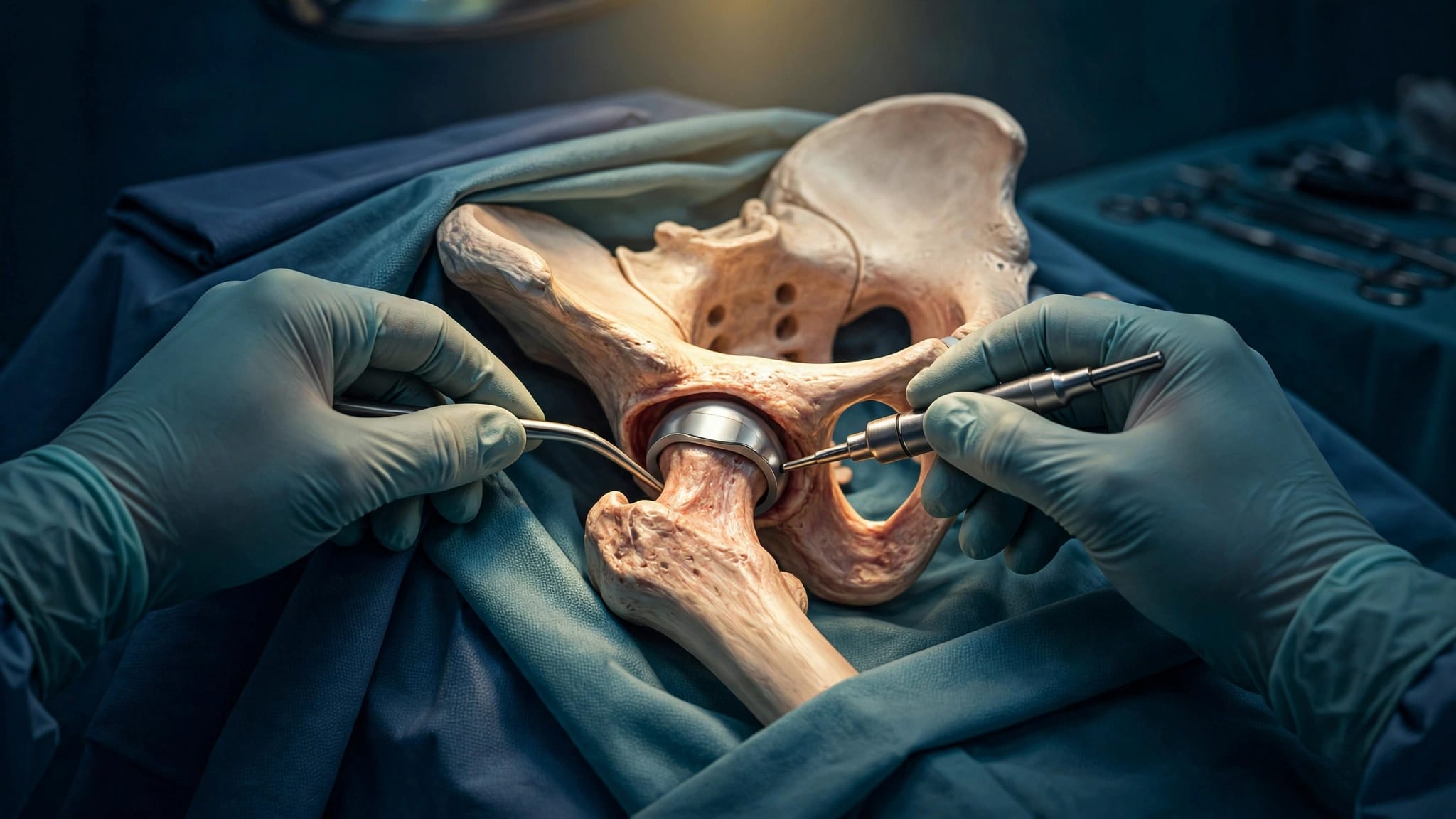
SuperPATH hip replacement uses a tissue-sparing path to reach the hip joint. The technique aims to limit disruption to surrounding muscles and tendons, but it doesn't remove the possibility of bladder problems. Urinary retention usually relates more to anesthesia, medications, fluid balance, and personal health factors than to the hip implant itself.
After surgery, you may notice:
- A strong urge to urinate without producing much urine
- Pressure, fullness, or pain in the lower abdomen
- Frequent attempts to urinate with only dribbling
- A weak stream or difficulty getting the stream started
- Increasing discomfort despite having urinated earlier
Some people have reduced bladder sensation after anesthesia. As a result, they may not feel a strong urge even when the bladder is becoming full. Nurses may use a portable bladder scanner to check the amount of urine remaining.
A small amount of difficulty urinating during the first few hours can happen. However, complete inability to urinate is not something to ignore , particularly when pressure or pain is increasing.
Why Retention Can Happen After SuperPATH Surgery
Several temporary changes occur after a hip replacement. Anesthetic medicines can relax the bladder and interfere with the nerve signals that tell you when to empty it. Spinal anesthesia may affect bladder sensation for several hours, depending on the medication and dose.
Pain medicines also matter. Opioids can reduce bladder muscle activity and make urination harder. They may also cause constipation, which can add pressure around the bladder. Limited walking after surgery can contribute as well because normal movement supports bowel and bladder function.
Your personal medical history affects risk. Factors include:
- An enlarged prostate or previous urinary symptoms
- A history of urinary retention after another operation
- Diabetes or nerve conditions that affect bladder control
- Kidney or urinary tract problems
- Constipation before or after surgery
- Certain medicines for pain, allergies, blood pressure, or bladder symptoms
Any urinary retention hip replacement patients experienced after a previous operation should be reported before surgery. That history helps the anesthesia and surgical teams plan bladder monitoring and medication choices.
If you're comparing surgical approaches, review hip replacement surgery in Fort Myers and discuss your individual risk factors with an orthopedic surgeon. The right surgical plan includes more than the hip procedure itself.
When Symptoms Usually Start
Postoperative urinary retention most often develops in the recovery area or during the first several hours after surgery. A hospital team may ask you to urinate before discharge, especially if you received spinal anesthesia, intravenous fluids, or opioid pain medicine.
Some patients have a urinary catheter during surgery. The care team may remove it soon afterward or leave it in place temporarily, depending on your medical condition, mobility, urine output, and bladder scan results. A catheter can allow the bladder to drain while normal function returns.
You may urinate once but still retain a significant amount. For that reason, a bladder scan may follow your first trip to the bathroom. The scan is painless and takes only a few moments. It measures urine left in the bladder after you try to empty it.
The formal term for the urinary retention hip replacement patients experience in the first hours after surgery is postoperative urinary retention. It doesn't mean the hip replacement failed, and it doesn't usually indicate a problem with the SuperPATH approach.
Still, the timing matters. If you go home and can't urinate within the period stated in your discharge instructions, contact your surgeon's office or the after-hours medical service. Don't wait for a routine follow-up appointment if your bladder feels increasingly full or painful.
How Doctors Diagnose and Treat It
A clinician will ask when you last urinated, how much you produced, and whether you feel pressure or pain. They may review your anesthesia, pain medicines, fluid intake, and previous urinary history.
A bladder scan is usually the first test. If the bladder contains a large amount of urine, a clinician may use a catheter to drain it. A straight catheter empties the bladder once and is then removed. An indwelling catheter remains in place for a period of time when repeated drainage is likely to be needed.
Treatment depends on the cause and the amount of urine retained. Your team may adjust pain medicines, address constipation, encourage safe movement, or change the timing of medicines that can interfere with urination. Some patients receive a prescription medicine that relaxes the bladder outlet, but this decision requires a clinician's review because these medicines can affect blood pressure and cause other side effects.
Do not force large amounts of water while you can't urinate. Excess fluid can increase bladder pressure without fixing the problem. Follow your discharge instructions, take only approved medicines, and ask for help before walking if your hip feels unstable.
Catheter treatment is common and often temporary. However, longer catheter use can raise the risk of a urinary tract infection, so the care team usually removes it when bladder function returns. Persistent retention may lead to a urology referral, particularly when prostate enlargement, nerve problems, or repeated episodes are involved.
Steps to Take Before and After Surgery
Tell your orthopedic surgeon and anesthesia team about any previous urinary retention. Also mention prostate symptoms, trouble starting your stream, frequent nighttime urination, bladder surgery, recurrent infections, kidney disease, and constipation.
Bring an accurate medication list. Include prescription drugs, over-the-counter products, and supplements. Don't stop a medicine on your own, even if you suspect it affects urination. Your surgical team can decide whether a temporary change is safe.
Before the procedure, ask:
- When will the team check my bladder after surgery?
- Will I have a catheter, and when might it be removed?
- What should I do if I can't urinate at home?
- Which pain medicines should I take, and which side effects should I report?
- Who should I call after regular office hours?
After surgery, use the bathroom when you feel the urge instead of holding urine for long periods. Walk only with the support recommended by your care team. Safe movement can help, but protecting your new hip remains the priority.
Drink fluids according to your discharge instructions. Avoid trying to correct retention by drinking far beyond your normal needs. Keep track of urination during the first day at home, including long gaps, very small amounts, or worsening discomfort.
Your hip recovery plan may also explain walking, sleep, pain control, and daily activity. This SuperPATH hip replacement recovery timeline can help you understand how recovery commonly progresses, but your surgeon's instructions take priority.
When to Call Your Surgeon or Seek Urgent Care
Call your surgeon, surgical center, or after-hours medical service promptly if you can't urinate after leaving the hospital. Also call if you produce only drops, develop a painful lower-abdominal fullness, or have worsening difficulty despite repeated attempts.
A complete inability to urinate with significant discomfort needs same-day evaluation . A clinician may need to drain the bladder before it becomes overstretched.
Seek emergency care if urinary symptoms occur with severe abdominal pain, repeated vomiting, fainting, confusion, severe weakness, or a high fever. Fever with chills, back or side pain, or feeling acutely ill can indicate an infection that needs prompt treatment.
Don't remove a catheter, change a prescription, or take someone else's bladder medicine without medical direction. A quick call can prevent avoidable discomfort and help identify a problem early.
Conclusion
The urinary retention hip replacement patients experience after SuperPATH surgery is often a short-term effect of anesthesia, pain medicine, reduced mobility, or personal urinary risk factors. It isn't usually caused by the implant or a failure of the surgical approach.
Report your urinary history before surgery, follow the bladder and fluid instructions you receive, and call promptly if you can't urinate. Painful or complete retention deserves attention , even when the rest of your hip recovery is progressing well.
ADDITIONAL ARTICLES