May 15, 2026
SuperPATH Hip Replacement Recovery Timeline Week by Week
Most people want one thing after SuperPATH hip replacement, a clear sense of what the next few weeks will feel like.
Pain, sleep, walking, and driving all improve on their own schedule, and that schedule is different for almost everyone. SuperPATH hip replacement recovery often moves in steady steps, not big leaps, so patience matters as much as effort.
Age, overall health, surgeon protocol, and whether the surgery was partial or total all change the pace. If hip arthritis brought you to this point, understanding hip arthritis treatment can help put the surgery in context.
What shapes your recovery pace?
Your body heals at its own speed, but a few things shape the timeline.
A stronger, more active patient may regain balance and endurance sooner. On the other hand, diabetes, smoking, poor sleep, anemia, and weak muscles can slow progress. So can a long period of pain before surgery.
The surgical plan matters too. Some patients go home the same day, while others stay overnight. If you want a closer look at that early step, hospital stay duration after SuperPATH hip replacement explains why discharge timing can vary.
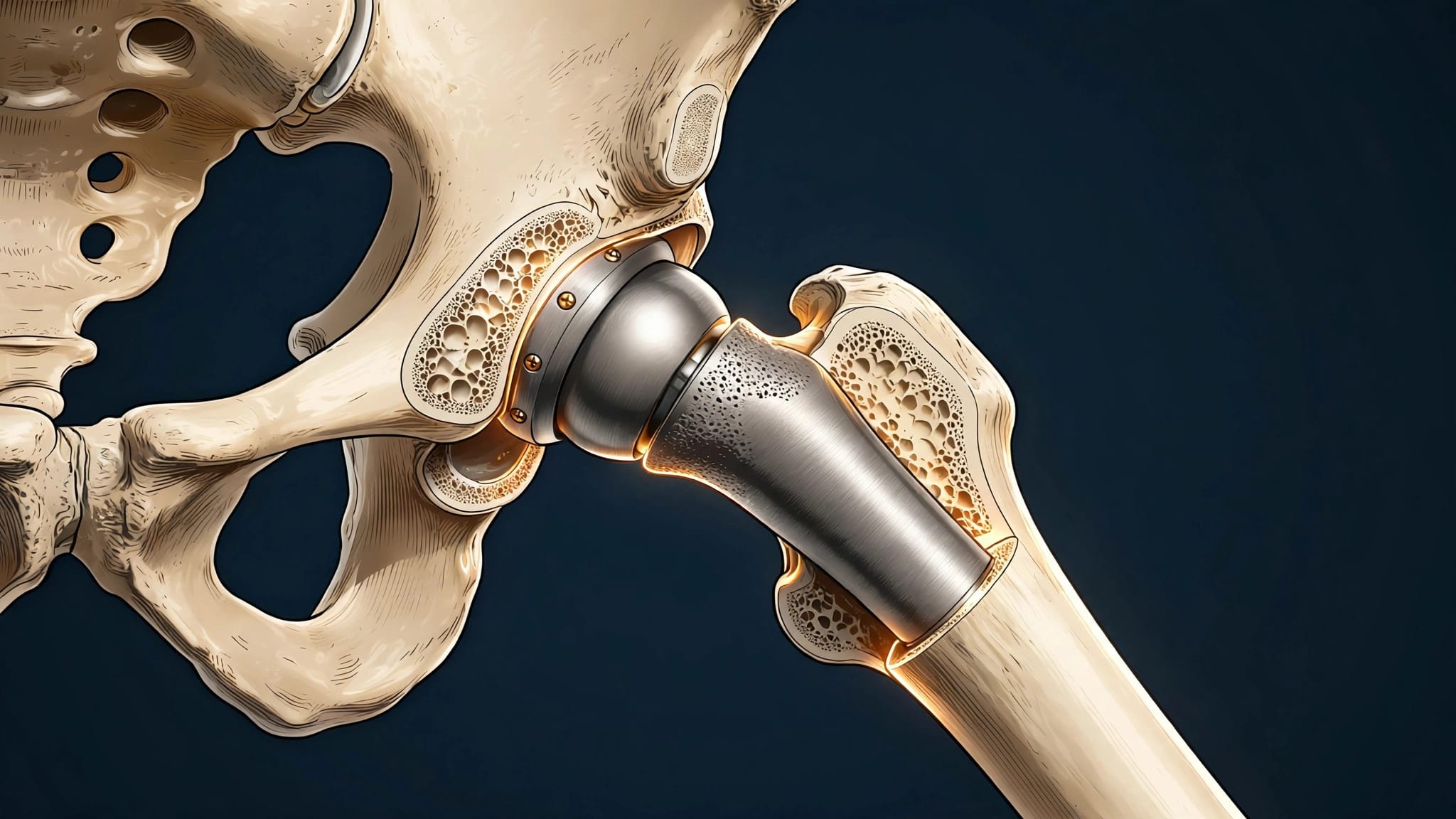
A partial hip replacement and a total hip replacement also do not follow the same path. Your restrictions, therapy goals, and return-to-activity plan should match the actual procedure you had. That is why a surgeon's instructions matter more than any general timeline.
Week 1 after SuperPATH hip replacement
The first week is about safe movement, swelling control, and getting through the day without overdoing it. The hip may feel sore, tight, and tired. That is normal.
Days 1 to 3
The first few days often feel slow. Pain is usually strongest here, and swelling may build before it starts to settle.
You will likely use a walker and take short walks around the house every few hours. Those walks help circulation and keep the joint from stiffening. Long stretches of sitting are a bad idea, even if you feel tired.
A few things are common in these first days:
- Walking is short and frequent.
- Stairs are limited to what you need.
- Sleep is often broken up.
- Driving is usually off limits.
- Help with meals, dressing, and chores can make home life easier.
Getting in and out of bed, a chair, or a car may feel awkward. That does not mean something is wrong. It means the body is still adjusting.
Days 4 to 7
By the end of week 1, pain often shifts into soreness. Bruising can look dramatic, and swelling may still be noticeable around the thigh or hip.
Many people start feeling more comfortable standing to brush teeth, make breakfast, or move around the kitchen. Some switch from a walker to a cane if their surgeon clears it. Others stay with the walker a little longer.
Sleep can still be rough. A back-sleeping position may feel best early on, unless your surgeon says side sleeping is fine. Even then, a pillow between the knees can make rest easier.
The biggest win in week 1 is not speed. It is steady, safe movement without a setback.
Weeks 2 and 3: the pace starts to change
This is usually the point when many patients feel the first real turn. Pain is still there, but it often becomes more predictable and easier to manage.
Week 2
Week 2 usually brings less intensity and more control. You may still wake up stiff, but the hip often loosens as you move.
Walking distances get a little longer, and a cane may replace the walker if balance is good. Stairs may feel less intimidating, though you still want to take them carefully and at a normal pace.
This is also when sleep can start improving. Even so, many patients still wake up if they roll onto the hip or stay in one position too long. Swelling often increases later in the day, especially after activity.
Driving may still wait. In general, people should not drive while taking narcotic pain medicine, and they need enough comfort and control to brake quickly. Clear movement matters more than the calendar.
Week 3
By week 3, daily tasks often feel less like a project. You may be showering more easily, walking outside for short periods, and doing simple errands with less effort.
Many desk workers begin to think about a return, if sitting is tolerable and pain medicine no longer affects alertness. Physical jobs usually take longer.
Small improvements can feel big here. You may notice you stand up faster, limp less, and rely on the cane less often. Still, the hip can get sore after too much activity. Progress is real, but it is not a straight line.
Weeks 4 to 6: building strength and routine
Weeks 4 through 6 are often about endurance. The hip may hurt less, but the muscles around it still need work.
Walking usually feels more natural. You may move around the house without thinking about every step. Many patients can handle light chores, short shopping trips, and more time on their feet.
This is often when physical therapy starts to feel more useful. The exercises may look small, but they help rebuild control. A hip that feels fine at rest can still be weak. That gap is normal.
Sleep often improves during this stretch, although a long day can still lead to nighttime soreness. Driving is more realistic for many people once they are off strong pain medicine and can sit, turn, and brake comfortably.
Exercise also starts to expand, but only with surgeon approval. Stationary biking, walking programs, and gentle strengthening are common choices. Pool work may come later, once the incision is fully healed and the surgeon says it is safe.
Weeks 4 to 6 are also when patients want to do more than the hip is ready for. That is the moment to stay patient. The joint may feel better, but the soft tissue around it is still catching up.
Weeks 7 to 12: getting back to normal life
By this phase, many people stop thinking about recovery every hour. Pain is often mild and occasional. Swelling may still show up after a busy day, but it should settle with rest.
Walking gets easier, and balance usually improves. You may return to longer outings, family events, and more routine work hours. Light exercise and low-impact hobbies often fit better here too, as long as your surgeon agrees.
Some patients can start feeling like themselves again, but stamina still lags behind comfort. You may be able to do more in the morning than at night. That is common.
Normal activities return in layers:
- Short errands become longer outings.
- Simple chores become regular chores.
- Walking turns into exercise.
- Exercise turns into a routine.
If the surgery was a total hip replacement, your surgeon may keep certain limits in place a bit longer. A partial hip replacement can follow a different recovery track. The exact plan depends on your operation and your healing.
The people who do best in this stage usually do the boring things well. They keep walking, follow therapy, and avoid sudden bursts of activity. That steady approach pays off.
When to call your surgeon
Most recovery symptoms are normal, but a few signs should not wait.
Call your surgeon or seek urgent care if you have:
- A fever, chills, or wound drainage.
- Redness, warmth, or swelling that keeps getting worse.
- Calf pain, calf swelling, chest pain, or shortness of breath.
- Sudden trouble bearing weight or a new fall.
- Pain that gets worse instead of easing over time.
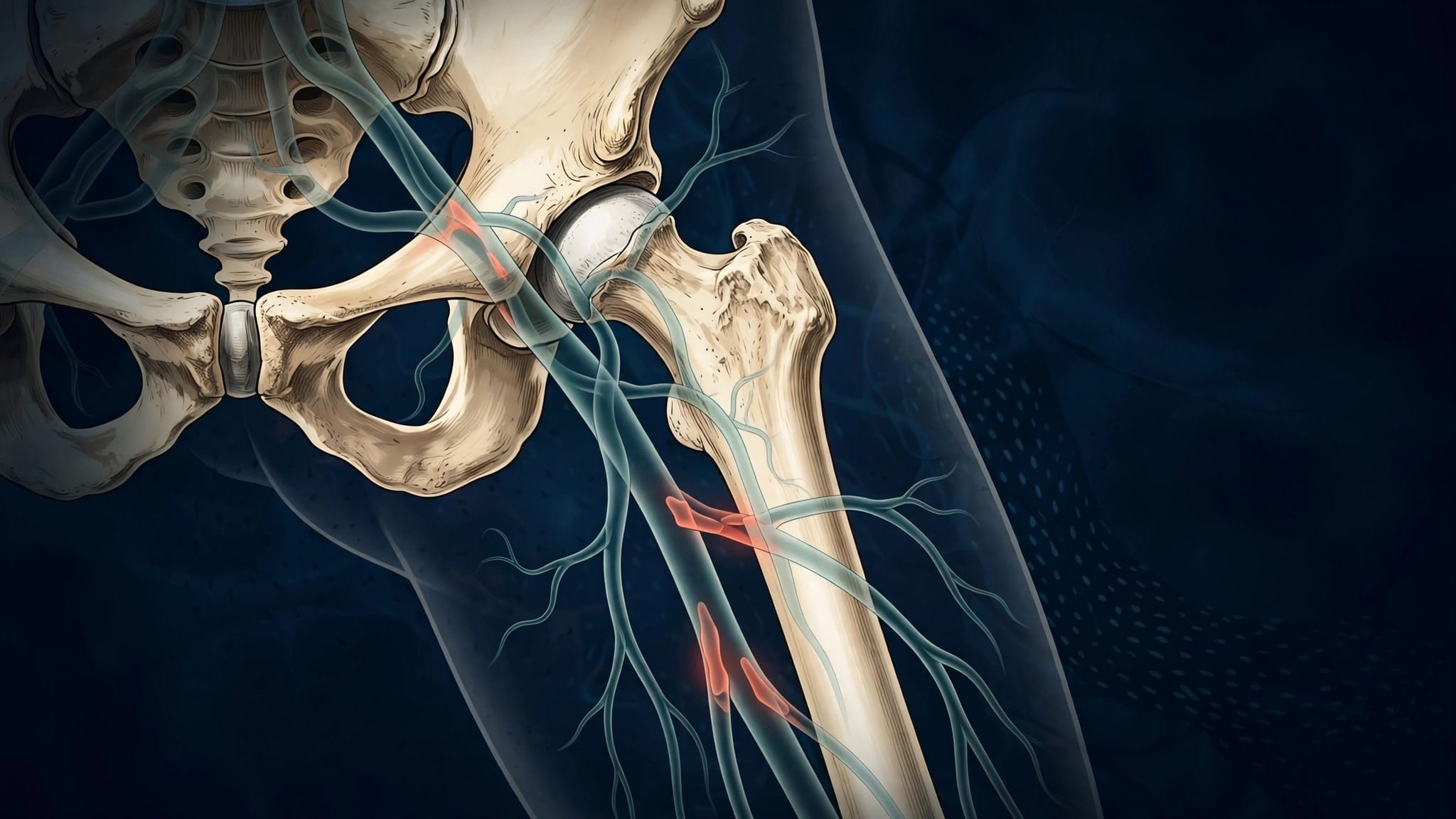
- New numbness, weakness, or a foot that feels different than before.
A little soreness is expected. A new or worsening problem is not. If something feels off, it is better to ask than to guess.
Conclusion
A week-by-week plan helps make SuperPATH recovery feel less vague. Week 1 is about safe walking and rest. Weeks 2 through 6 are about distance, sleep, and confidence. Weeks 7 through 12 are where many patients return to most normal routines, while strength keeps building.
The real timeline depends on your health, your surgeon's protocol, and whether you had a partial or total hip replacement. Clear instructions from the start make the whole process easier to manage.
If you're planning surgery, the best next step is a recovery plan that matches your body and your goals.
ADDITIONAL ARTICLES