August 11, 2026
Groin Pain After SuperPATH Hip Replacement: What's Normal?
If you've searched for "groin pain hip replacement" after a SuperPATH procedure, you're probably trying to separate routine healing from a problem that needs attention. Some soreness in the groin, thigh, or buttock can occur after surgery, even when the operation and early recovery are going well.
The pattern matters more than one painful moment. Expected discomfort usually eases over time and follows activity. Pain that grows stronger, appears with other symptoms, or stops you from walking deserves a call to your orthopedic surgeon.
Groin pain hip replacement recovery: what usually feels normal
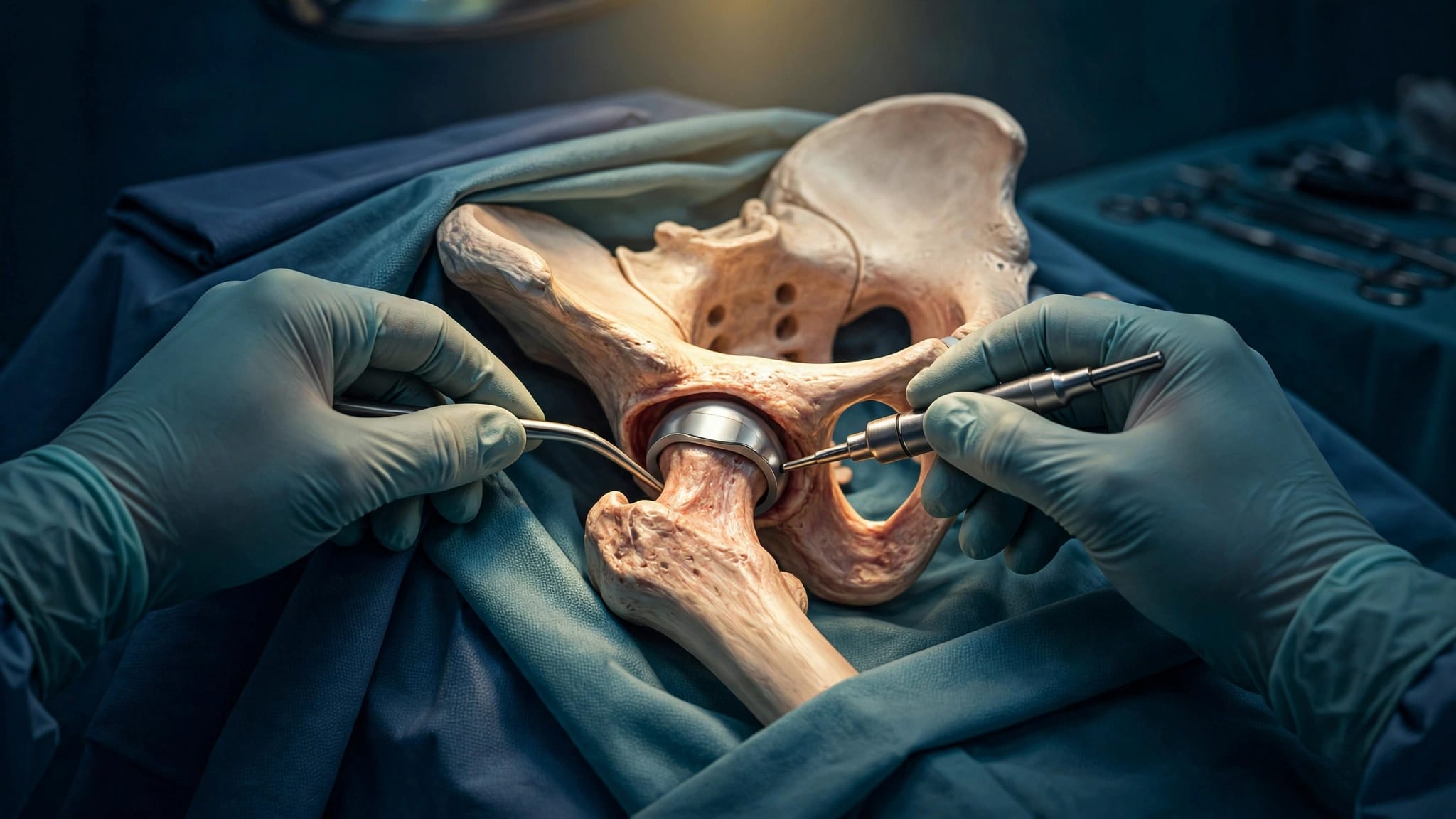
SuperPATH hip replacement uses a tissue-sparing approach, but it is still major joint surgery. Muscles, tendons, the joint capsule, and surrounding tissues need time to heal. As swelling settles and your gait changes, the hip may feel sore in more than one location.
Normal early discomfort can include:
- A dull ache deep in the groin or front of the hip.
- Soreness when you stand, walk, climb stairs, or get into a car.
- Tightness when lifting the leg or moving from sitting to standing.
- Brief sharper pain after physical therapy or a longer walk.
- Aching that improves with rest, ice, or your prescribed medication.
Some patients notice that pain increases for a few hours after activity. That doesn't automatically mean damage occurred. Your muscles may be responding to work they haven't performed normally for some time.
The overall trend should gradually improve. You may still have uncomfortable days, but the better days should become more frequent. For a closer look at expected post-operative discomfort, review this guide to normal pain levels after SuperPATH hip replacement.
Pain should not keep intensifying every day. It also shouldn't prevent you from following the walking or exercise plan your surgeon prescribed. If your symptoms don't match the recovery pattern you were given, contact the surgical team rather than guessing.
Why groin pain can happen after SuperPATH surgery
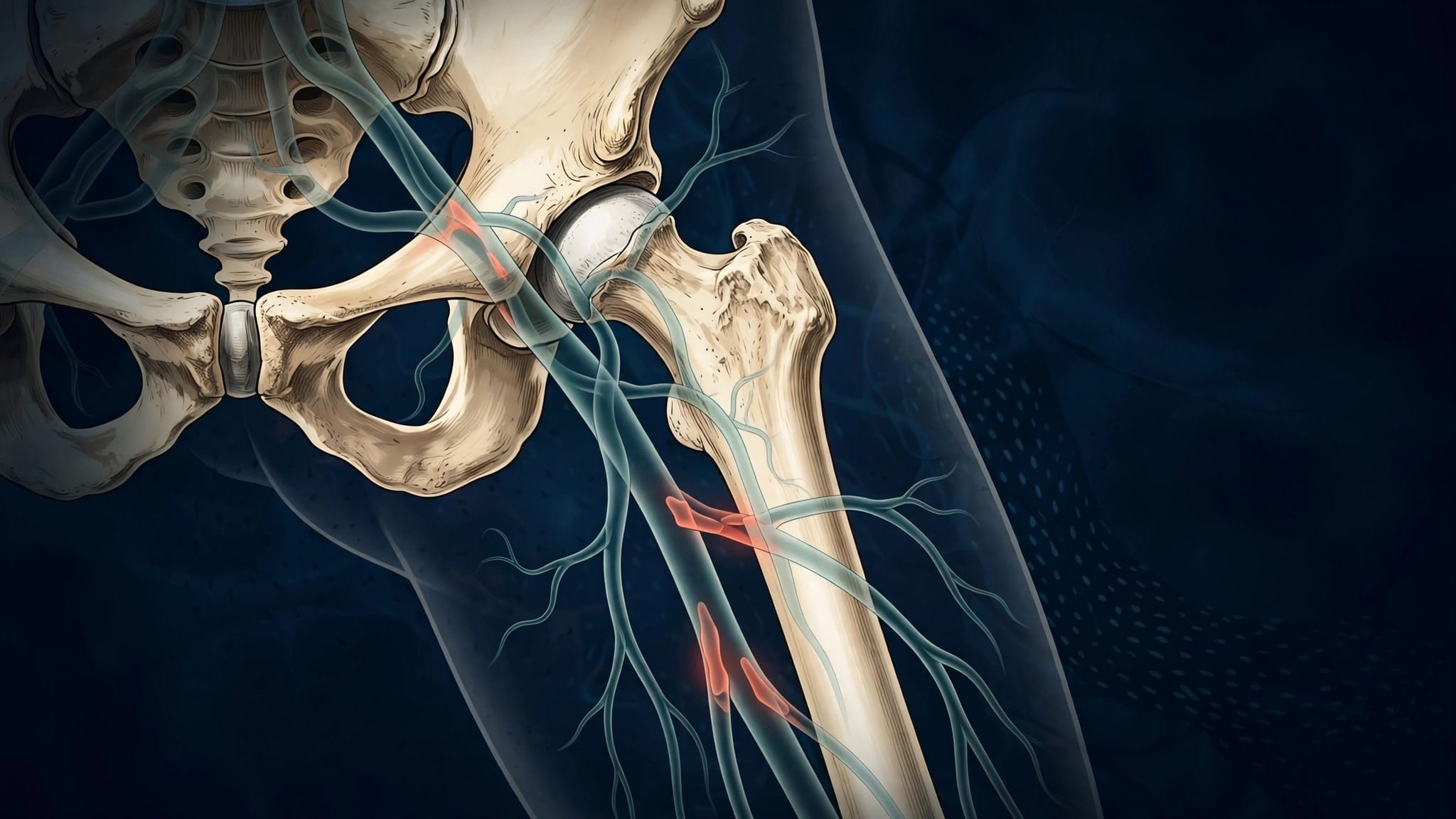
The groin sits close to the hip joint, so several healing structures can cause discomfort there. The iliopsoas tendon, which helps lift the thigh, may become irritated after surgery. This can cause pain when you raise your leg, climb steps, or enter a vehicle.
The inner-thigh muscles and adductor tendons may also feel strained. They help stabilize the pelvis as you relearn how to walk. A limp can place extra load on these tissues, especially when you begin using the surgical leg more.
Swelling creates another source of pressure and stiffness. Even a smaller incision doesn't eliminate internal inflammation. The joint capsule and nearby soft tissues still need to recover after the implant is placed.
SuperPATH is designed to reduce disruption to certain muscles and avoid routine dislocation of the hip during the procedure. However, the approach doesn't make recovery pain-free, and it doesn't prevent every cause of post-operative groin pain. You can read more about the minimally invasive SuperPATH technique before discussing whether it fits your condition.
A change in activity often explains a temporary flare. Patients may feel better, walk farther, and then increase activity too quickly. The joint may tolerate the movement, but the surrounding muscles may need more time.
How long does groin pain last after hip replacement?
Recovery varies with your age, muscle strength, arthritis severity, general health, and activity before surgery. Your surgeon's instructions and examination matter more than a standard timeline.
During the first several days, pain and stiffness are common. Standing up, taking the first steps, and lifting the operated leg may feel difficult. Bruising or swelling can extend into the thigh. Prescribed pain medicine, ice, rest, and short walks often help during this stage.
Over the next two to six weeks, many patients notice steady improvement in walking and daily activities. Groin discomfort may still appear with stairs, longer walks, therapy exercises, or getting dressed. It should usually settle after rest instead of continuing to build.
By six to twelve weeks, pain often becomes less frequent. Some people still have weakness, stiffness, or soreness after strenuous activity. Full recovery can take longer, especially when the hip muscles were weak before surgery or when other back, knee, or pelvic problems affect walking.
A late flare doesn't always indicate a serious complication. It may follow increased exercise or a new movement. Still, new pain after a period of improvement should be reported , particularly if it is severe or persists.
Keep track of what brings the pain on. Note whether it occurs at rest, with leg lifting, during walking, or at night. This information helps your surgeon identify the likely source.
When groin pain after SuperPATH hip replacement needs attention
Call your orthopedic surgeon promptly if groin pain is worsening instead of easing, remains severe despite prescribed treatment, or limits your ability to walk. You should also report pain that began after a fall, sudden twist, or unexpected movement.
Contact the surgical team about:
- Increasing redness, warmth, swelling, drainage, or opening around the incision.
- Fever or chills, especially with worsening hip pain.
- New pain at rest or pain that repeatedly wakes you.
- A sudden decrease in strength or ability to bear weight.
- A leg that appears shorter, rotated, or out of position.
- New numbness, burning, weakness, or trouble moving the foot.
- Calf pain or swelling that is greater on one side.
Some symptoms need emergency care rather than a routine office call. Seek immediate help for chest pain, sudden shortness of breath, coughing blood, or fainting. These symptoms can indicate a blood clot that has traveled to the lungs.
A sudden severe hip pain with an inability to stand may indicate a dislocation, fracture, or another urgent problem. Don't try to force the leg into position or continue walking on it.
Infection can sometimes develop without dramatic pain at first. Fever, drainage, spreading redness, and a rapid change in symptoms are more important than the pain score alone. Your surgeon may want to examine the incision, check your temperature, and order tests.
What you can do for groin pain during recovery
Follow the walking and exercise plan provided by your surgical team. Short, frequent walks are often more helpful than one long walk followed by a significant flare. Use a walker or cane for as long as recommended, because limping can increase stress on the groin muscles.
Ice may reduce swelling and soreness when used as directed. Protect your skin and follow the time limits given by your care team. Take prescribed medicines according to the instructions, and ask before adding an over-the-counter pain reliever or supplement.
Physical therapy exercises should feel challenging without causing sharp or escalating pain. Tell your therapist when a movement causes groin pain, especially repeated straight-leg raises or resisted hip flexion. The exercise may need to be adjusted while the tissues heal.
Avoid testing the joint with sudden pivots, deep squats, heavy lifting, or long walks before you receive clearance. Your surgeon may set specific precautions based on the implant, surgical findings, and your health.
Don't compare your recovery with another patient's. Two people can have the same operation and different pain patterns. What matters is whether your symptoms fit your surgeon's plan and whether your function is improving.
How an orthopedic surgeon evaluates persistent groin pain
Your surgeon will ask when the pain began, what movements trigger it, and whether it improved before returning. The examination may include your walking pattern, hip motion, strength, incision, leg length, and areas of tenderness.
X-rays can help assess the implant position, surrounding bone, and signs of fracture or other structural problems. If infection is a concern, your surgeon may order blood tests or additional joint testing. Other studies may be appropriate when symptoms suggest a blood clot, nerve problem, or soft-tissue injury.
Persistent groin pain can come from iliopsoas irritation, muscle strain, implant-related problems, infection, or a fracture. Pain from the lower back, sacroiliac joint, abdominal wall, or a hernia can also feel close to the hip. A careful evaluation prevents the pain source from being assumed too quickly.
Bring your medication list and a brief symptom record to the appointment. Include your pain level, walking distance, therapy activities, fever readings, and any changes around the incision. Those details can make the visit more productive.
Conclusion
Some groin pain after SuperPATH hip replacement is expected, particularly during walking, leg lifting, and therapy in the early weeks. The reassuring pattern is gradual improvement, even when activity causes occasional soreness.
Worsening pain, fever, wound changes, new weakness, calf swelling, or difficulty bearing weight requires prompt medical advice. When recovery feels different from the plan you were given, contact your orthopedic surgeon. A timely examination is the safest way to tell routine healing from a complication.
ADDITIONAL ARTICLES