June 28, 2026
Hip Replacement Dental Work: What Patients Should Know
A routine dental cleaning can feel harmless after a hip replacement, but timing still matters. The concern is not the cleaning itself so much as the chance of bacteria entering the bloodstream, especially when the mouth is inflamed or the procedure is more invasive.
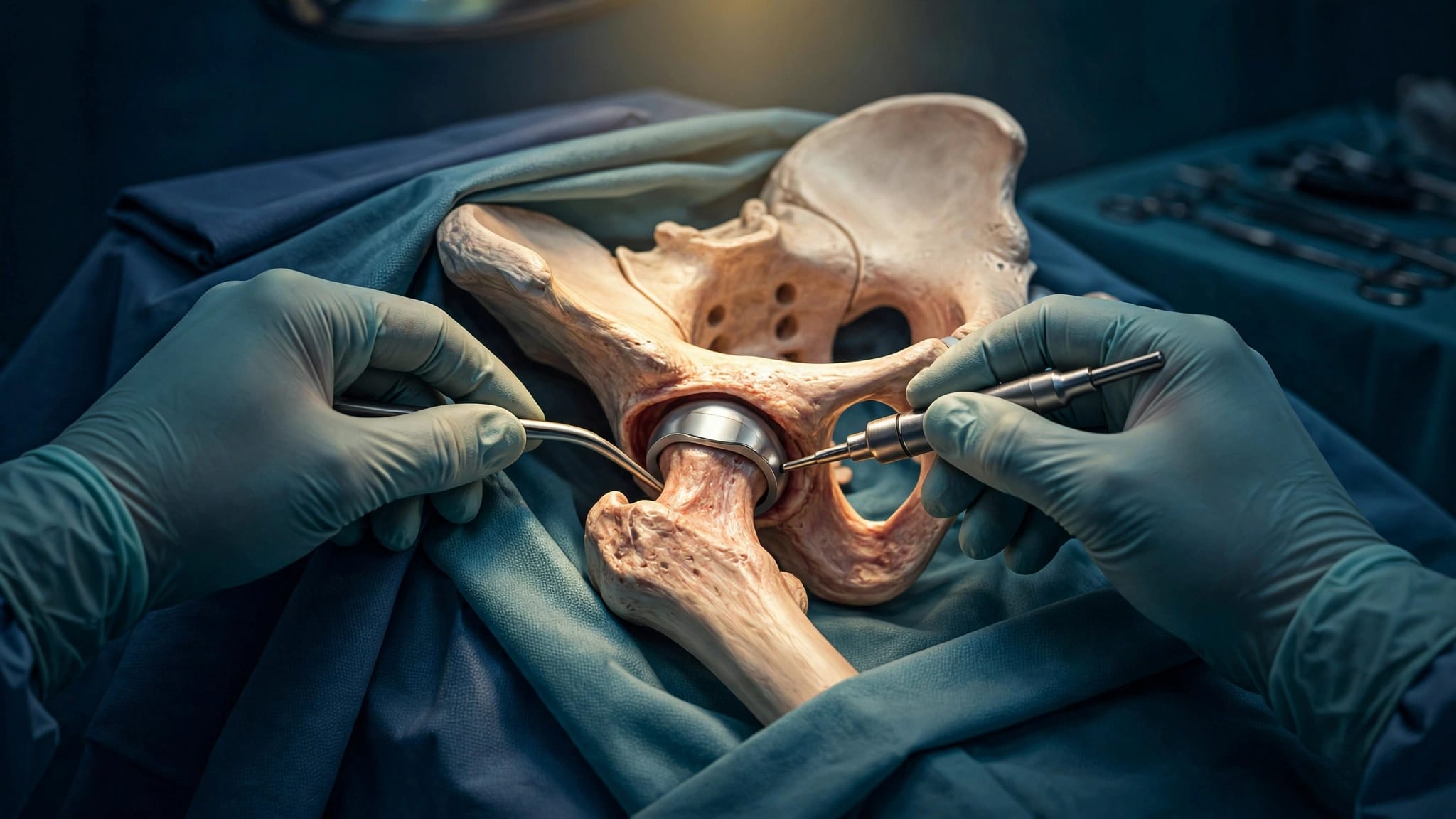
Most people can keep up with dental care after joint replacement, but the details change if your surgery was recent, if you have other health problems, or if the dentist needs to do more than a simple checkup. If you're still weighing surgery, hip replacement surgery in Fort Myers explains the operation and what recovery can look like.
The safest plan starts with clear communication between your orthopedic surgeon and dentist.
Why dental care matters after a hip replacement
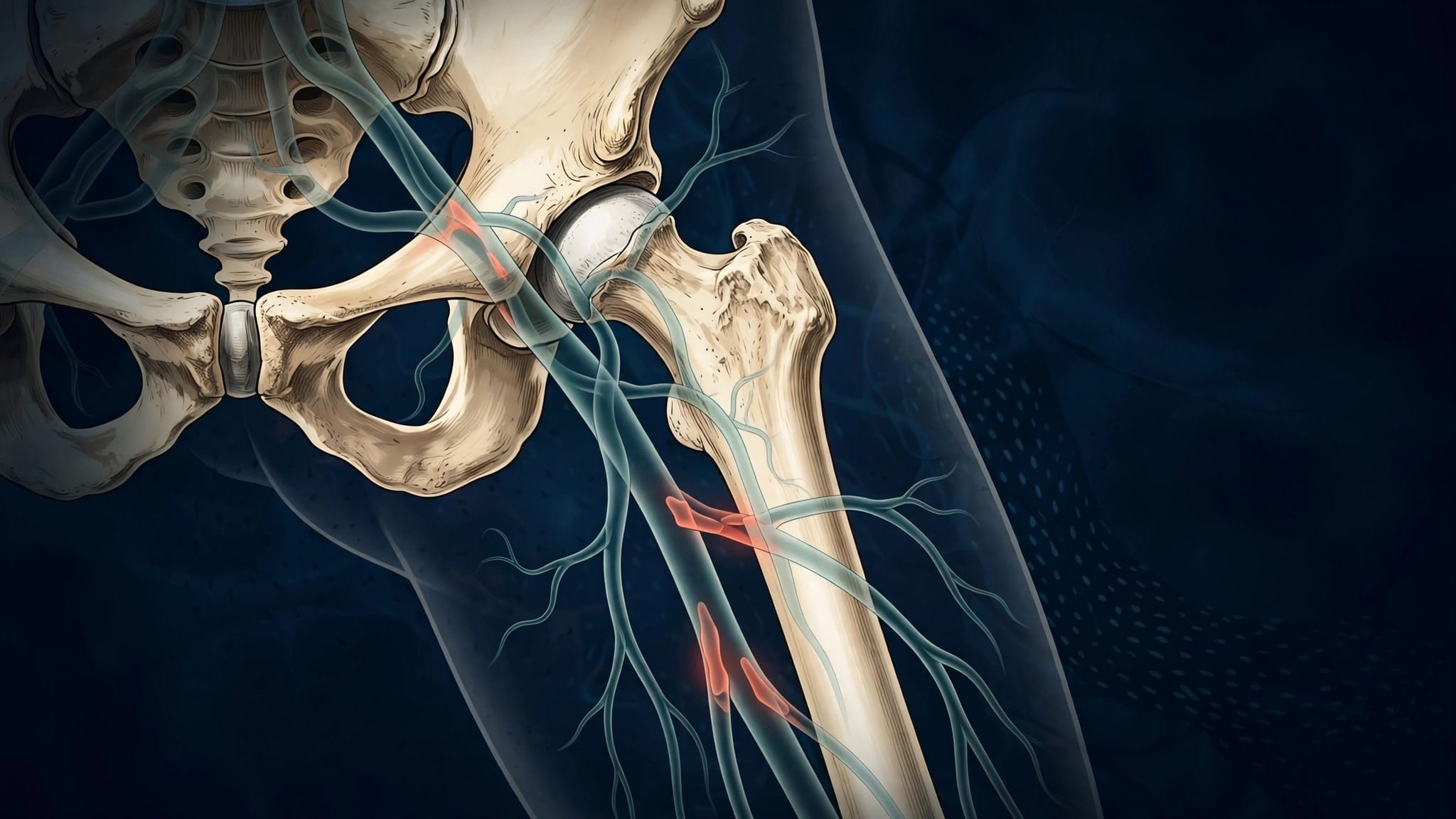
A hip implant can stay in place for many years, but it does not behave exactly like a natural joint. If bacteria reach the bloodstream during a dental procedure, there is a small chance they could settle near the implant. That is why people ask about hip replacement dental work so often.
This risk is real, but it is not the same for every patient. Routine brushing, flossing, and most dental care are still important after surgery. In fact, good oral hygiene lowers the chance of problems later. A healthy mouth is much easier to manage than an untreated tooth infection.
The bigger concern is active infection. A painful tooth, gum swelling, or a dental abscess should not sit around while you wait for the "right" time. Those problems need prompt care, because infection anywhere in the body can complicate recovery.
Common dental procedures are not equal, either. A regular cleaning is different from a tooth extraction or deep gum treatment. Your providers will look at the type of procedure, how long it has been since surgery, and your overall health before they give advice.
When to schedule dental work after surgery
If the dental visit is optional, many surgeons prefer that you take care of it before hip replacement whenever possible. That is especially true for work that is likely to involve bleeding, infection, or a long recovery at the dentist.
After surgery, timing depends on healing. Most patients need time for the incision to close, the early recovery phase to pass, and pain medicines or blood thinners to settle down. A simple cleaning may be fine sooner than a gum procedure or extraction, but the right date is not the same for everyone.
Some people also ask how recovery planning changes if they are comparing approaches or looking at candidates for SuperPATH hip surgery. That kind of planning matters, because dental work, therapy visits, and follow-up appointments all need room in the calendar.
Different dental procedures bring different questions:
- Routine cleanings and exams
- Fillings and crowns
- Deep cleaning and gum treatment
- Extractions, implants, and other oral surgery
The takeaway is simple. Tell your surgeon what dental work you need, and tell your dentist when your hip surgery happened. Then let them guide the timeline instead of guessing.
Antibiotics before dental procedures after hip replacement
This is where patients often hear different answers. Guidance on antibiotics before dental procedures after hip replacement can vary depending on surgeon preference, patient risk factors, and current practice patterns. Some surgeons recommend them for certain patients or for more invasive dental work. Others do not advise routine antibiotics for every patient.
That does not mean someone is wrong. It means the decision is personal and should match your medical history.
Your surgeon and dentist may look more closely at factors such as:
- A history of joint infection
- A weakened immune system
- Uncontrolled diabetes
- Revision joint replacement or other complex surgery
- Ongoing gum disease or another active infection
The type of dental work matters too. Procedures that disturb the gums or treat infection are more likely to raise questions than a basic exam. Still, the final call should come from your own orthopedic surgeon and dentist, not from general advice online.
Do not start antibiotics on your own. Different medicines can cause side effects, and the wrong timing can create more problems than it solves. If one office tells you one thing and another office says something different, ask them to coordinate directly.
What to tell your dentist before the appointment
A short conversation before the visit can prevent confusion later. The dentist needs a clear picture of your hip replacement, your health history, and the timing of the procedure.
- Tell the office that you have a hip replacement and share the surgery date.
- Bring a current list of medicines, including blood thinners, supplements, and any antibiotics you have taken recently.
- Mention drug allergies and any past problems with antibiotics or anesthesia.
- Ask whether this specific visit needs a delay, special prep, or a call to your orthopedic surgeon.
- Confirm who should be contacted if pain, swelling, fever, or other symptoms appear after the appointment.
If you had a complicated recovery, mention that too. The more complete the picture, the easier it is for both offices to give you advice that fits.
Red-flag symptoms that need prompt attention
Most dental visits go fine, and most hip replacements recover without infection. Still, some symptoms should never be ignored after dental work or at any other time during recovery.
Watch for these warning signs:
- Fever or chills
- Increasing hip pain that does not settle
- Redness, warmth, or swelling near the hip
- Drainage from the incision or from a new wound
- Sudden trouble putting weight on the leg
- A new limp that gets worse
- Severe mouth swelling or a dental infection that spreads
A sore mouth after dental treatment can be normal for a short time. Worsening pain, facial swelling, or fever is different. If those symptoms show up, contact your dentist and orthopedic surgeon promptly.
Seek urgent care right away if swelling spreads fast, breathing becomes hard, or you feel very ill. Those signs need immediate attention.
Questions worth asking before you go
If you like to have a clear plan, bring a few direct questions to both offices. That can save time and reduce mixed messages.
- Do I need antibiotics for this dental procedure?
- How long should I wait after hip surgery before elective dental work?
- Does my health history change the plan?
- Should my dentist call your office before treatment?
- What symptoms mean I should contact you right away?
If the work is optional and your surgery is coming soon, ask whether it should be finished before the hip replacement. If the work is urgent, tell both offices that it cannot wait. Clear wording helps everyone move faster.
Conclusion
Dental care after hip replacement is usually manageable, but it works best with planning. The key issues are timing, infection risk, and clear guidance from your surgeon and dentist.
The safest approach is simple. Keep your mouth healthy, share your full medical history, and follow individualized advice instead of assuming one rule fits everyone. When providers coordinate well, hip replacement dental work becomes far less stressful.
A few careful questions now can help protect your new joint later.
ADDITIONAL ARTICLES