November 25, 2026
What Happens When a Hip Implant Liner Wears Down?
When the plastic liner in a hip implant wears down, tiny particles can collect around the joint. The body's response to that debris can gradually remove surrounding bone and, in some cases, weaken the implant's support.
You might notice pain or a change in how you walk, but bone loss can develop without symptoms . Follow-up imaging helps your orthopedic surgeon assess the liner and the bone around it before deciding whether you need treatment.
What Does the Plastic Liner Do?
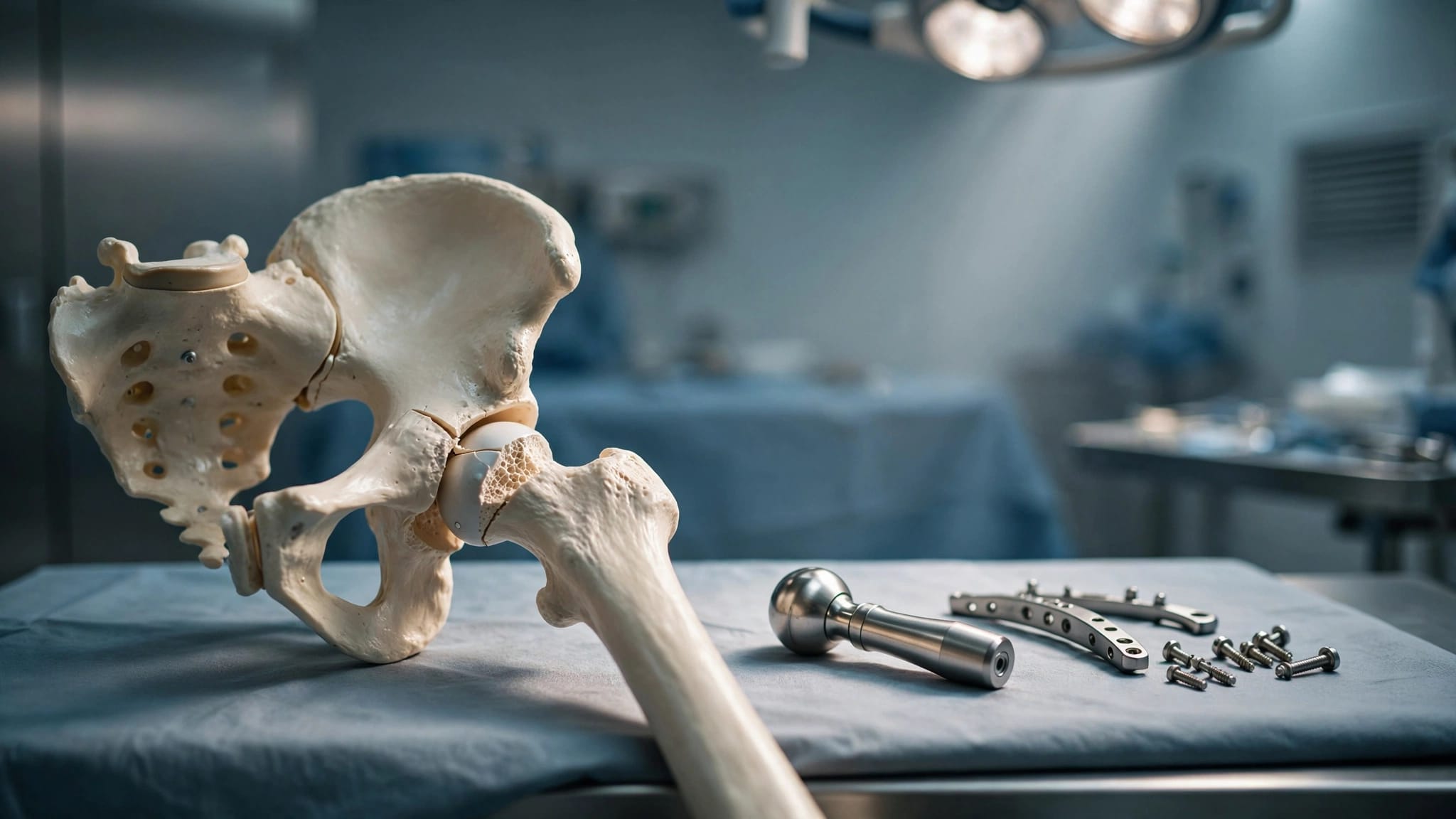
A total hip replacement has several parts. A stem fits into the thighbone and supports a ball, while a cup sits in the pelvis. In many implants, a plastic liner fits inside that cup and provides a smooth surface for the ball to move against.
How the Bearing Surface Moves
The liner is usually made of polyethylene, a durable plastic designed to withstand repeated movement. As you walk, sit, and bend, the ball rotates against it. That contact produces small amounts of wear over time.
The ball may be made of metal or ceramic. Both are commonly paired with polyethylene, and each combination has its own considerations. Our comparison of hip replacement bearing materials explains how those surfaces differ.
Why Liner Materials Matter
Many modern implants use highly cross-linked polyethylene, which was developed to improve wear resistance. Older polyethylene liners generally wore faster than these newer materials.
Even so, wear depends on more than the plastic itself. The liner's thickness, the position of the components, and the way the hip moves all affect how the bearing performs. Your surgeon considers the entire implant when evaluating a concern.
How Wear Debris Can Affect Bone
Hip implant liner wear can release particles that are too small to see without magnification. Their presence doesn't automatically mean the implant is loose, but the body's reaction to them can affect the bone around it.
The Inflammatory Response
Cells in the body's immune system attempt to deal with the particles. In some people, that response causes inflammation and stimulates cells that break down bone. Orthopedic surgeons call this bone loss osteolysis .
Osteolysis can develop around the pelvic cup, the thighbone stem, or both. It may appear as a localized area of missing bone while the rest of the implant still looks secure.
Bone loss from wear is different from stress shielding, a change that can occur when the implant carries some of the load previously borne by nearby bone. Imaging and comparison over time help the surgeon distinguish these findings.
Why Bone Support Matters
The cup and stem rely on surrounding bone for support, whether they were fixed with cement or designed for bone to grow onto them. As an area of bone loss enlarges, that support can weaken.
A loose component may move or cause pain with activity. Significant bone loss can also increase the risk of a fracture around the implant and make a future revision more complicated. Our guide to detecting bone loss after hip replacement covers how surgeons assess these changes.
Symptoms Can Be Subtle or Absent
A hip can feel comfortable while wear particles collect and bone loss develops. That's one reason a routine follow-up visit may be useful even when you're walking well and have no concerns.
Changes You May Notice
Some people develop pain in the groin, buttock, or thigh. Others notice a new limp, stiffness, reduced walking tolerance, or a feeling that the hip isn't as steady as it was.
Tell your orthopedic clinician when the change began and what brings it on. Pain during the first few steps after sitting may provide a different clue than pain that continues at rest. Neither pattern identifies liner wear on its own.
Other Problems Can Cause Similar Symptoms
Pain near a hip replacement can come from a tendon, the lower back, infection, or a fracture. A loose component can also hurt, but pain alone can't establish whether the implant has lost its fixation.
A careful examination helps distinguish these possibilities. If you're concerned about movement of an implant, our article on signs of hip implant loosening describes what an orthopedic evaluation may involve.
When to Seek Prompt Medical Care
Contact your orthopedic team about new or worsening pain, a new limp, or increasing difficulty with daily activities. Don't wait for a routine appointment if your ability to walk is changing.
Fever, drainage, or new redness and warmth around the hip need prompt medical attention because they can signal infection. A sudden severe change after a fall, a possible dislocation, or an inability to bear weight calls for urgent evaluation, often in an emergency department.
These symptoms have several possible causes. Getting assessed promptly gives your care team a chance to identify the problem and choose the appropriate treatment.
How Clinicians Assess Hip Implant Liner Wear
An orthopedic assessment combines your symptoms, examination, implant history, and imaging. Your surgeon may ask about your original operation, any previous complications, and how your walking has changed.
During the examination, the clinician may watch you walk and assess hip motion, muscle strength, tenderness, and the surrounding skin. The lower back and areas outside the hip may also be examined when they could explain the pain.
What X-Rays Can Show
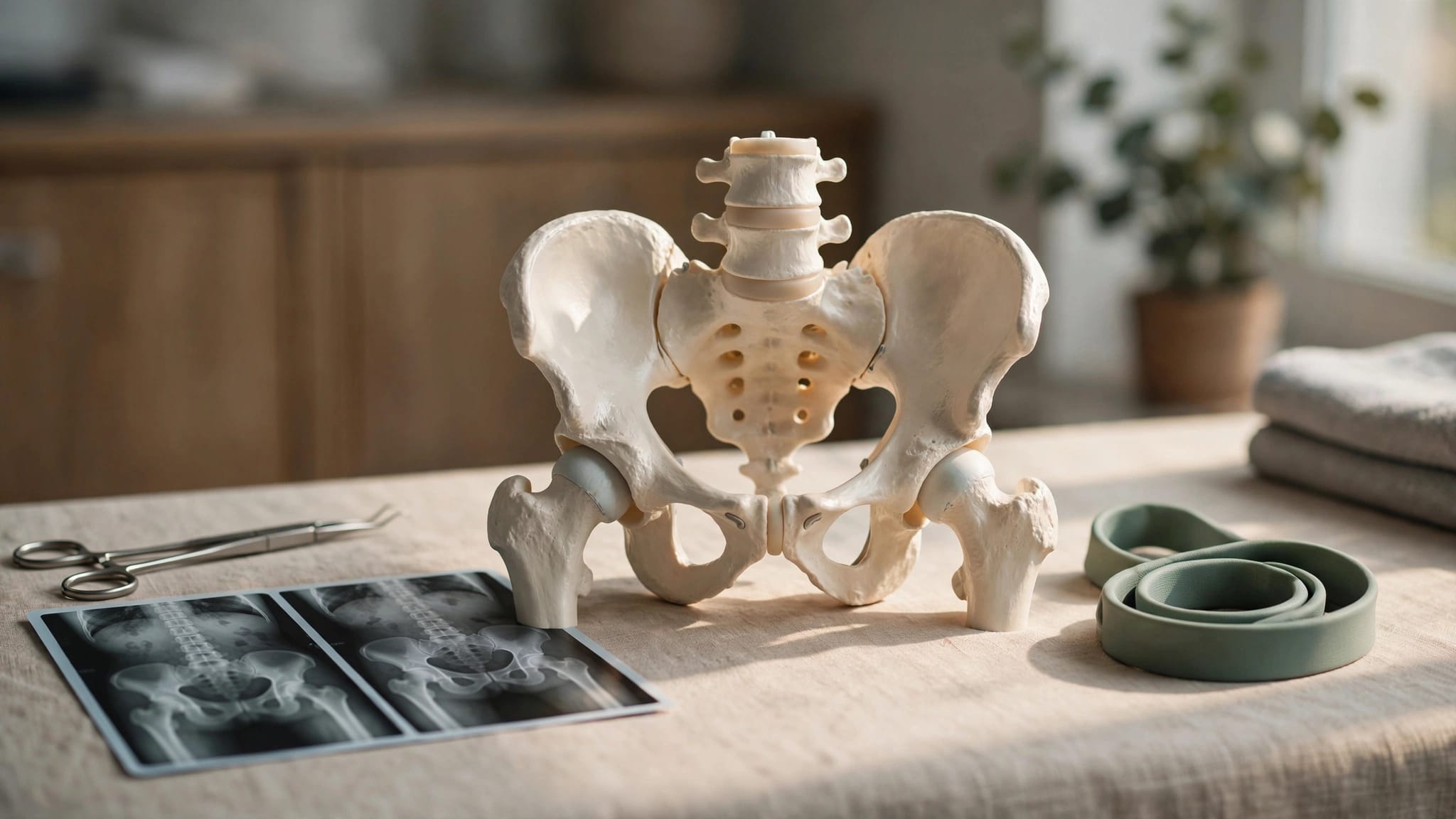
X-rays are often the first imaging test. Polyethylene doesn't appear like metal on an X-ray, so surgeons look for indirect signs of thinning. For example, a change in the ball's position within the socket may suggest that one part of the liner has worn down.
The surgeon interprets that appearance in light of the implant's design and earlier images. X-rays can also show bone loss, a change in component position, or other signs that a component may be loose. Learn more about what hip X-rays reveal over time.
When More Testing Helps
Plain X-rays don't show every area of wear or the full extent of every bone defect. A CT scan can help define bone loss when the surgeon needs a clearer picture. In selected cases, MRI with techniques that reduce metal-related image distortion may help assess surrounding tissues.
If infection is a concern, the workup may include blood tests for inflammation and a sample of fluid from the joint. These tests help the surgeon distinguish infection from wear-related problems because the treatments are different.
When Monitoring May Be Appropriate
Your surgeon may recommend observation when the implant appears stable, bone loss is limited, and comparison with earlier imaging doesn't show concerning progression. Symptoms, general health, and the location of any bone defect also matter.
Monitoring means having a follow-up plan. Your orthopedic team may repeat an examination or imaging at an interval based on your findings. Earlier images are useful because they show whether a possible defect is new, unchanged, or growing.
Tell the team if pain, walking, or your sense of stability changes between visits. A new symptom may justify an earlier assessment rather than waiting for the planned appointment.
While monitoring can be appropriate, it has limits. A defect that threatens the bone supporting the implant may need treatment even if the hip feels comfortable. Discuss what your surgeon is watching and which findings would change the plan.
When Revision Surgery May Be Considered
Revision is an operation on an existing hip replacement. A surgeon may discuss it when wear is substantial, bone loss is progressing, a component is loose, or the implant is unstable.
The decision weighs the risks of surgery against the risks of leaving the problem untreated. Your surgeon considers the amount and location of bone loss, the position of the components, your symptoms, and your overall health.
Exchanging the Liner and Ball
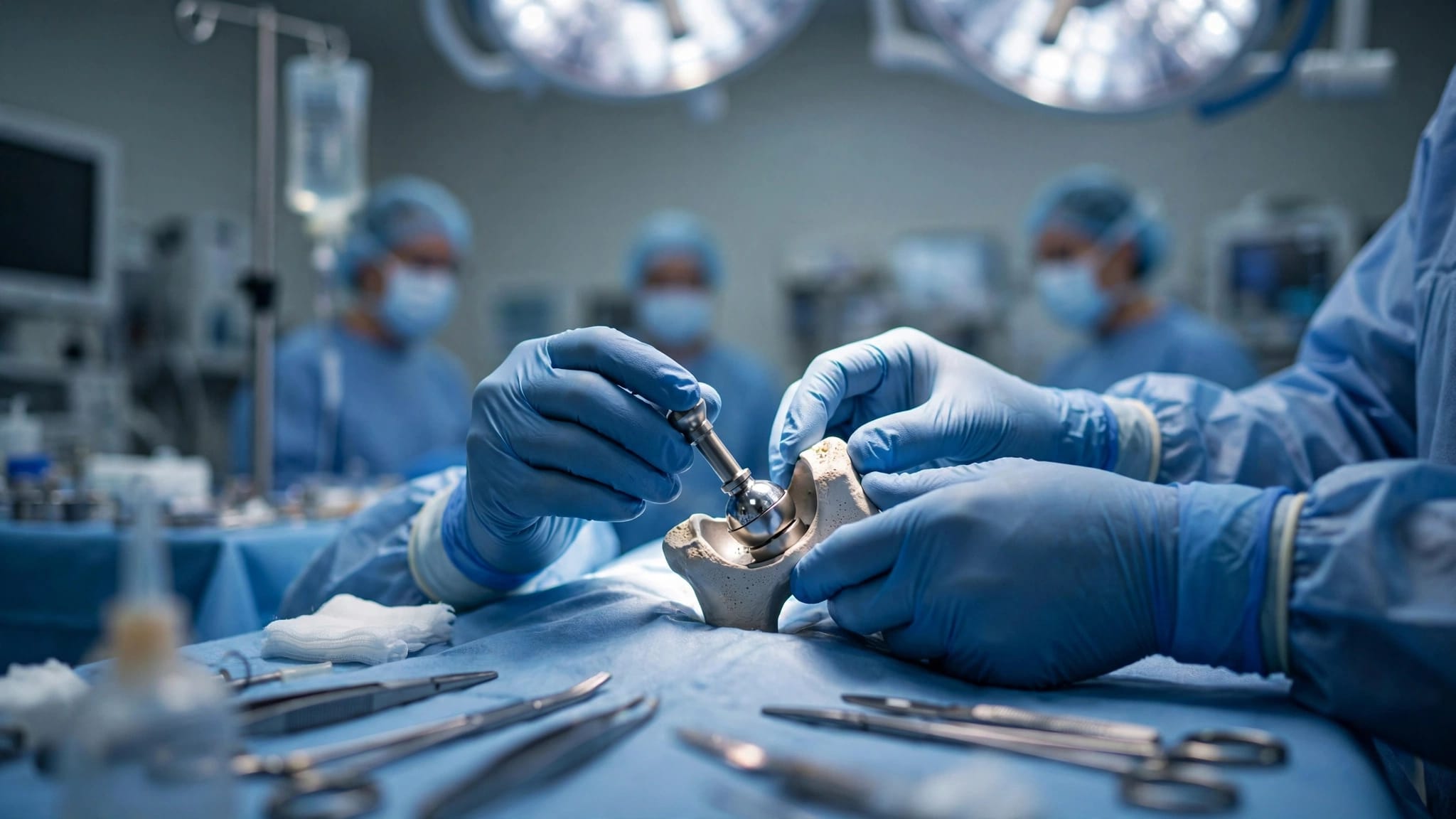
In some hips, the surgeon can replace a worn modular liner and the ball while leaving a well-fixed, properly positioned cup and stem in place. The surgeon may also treat an area of bone loss during the procedure.
That option depends on the implant design and condition. The cup must be able to accept a suitable replacement liner, and its position and fixation must support a stable reconstruction.
Replacing More of the Implant
A loose or poorly positioned cup may need to be removed and replaced. If the stem is loose or damaged, it may need attention too. More extensive bone loss can require bone graft or specialized components to rebuild support.
The final plan can change if the surgeon finds more damage during the operation than the scans showed. Our discussion of when hip revision surgery is needed explains why the amount of surgery varies.
What Revision Surgery and Recovery Involve
Revision can be more complex than the first hip replacement because the surgeon may encounter scar tissue, bone defects, or components that are difficult to remove. The operation depends on what needs repair and whether infection is present.
Risks include infection, blood clots, fracture, dislocation, nerve injury, blood loss, and continued pain. Your health and the extent of the procedure affect those risks.
Recovery also varies. Some patients need a walker, additional help at home, or a period in rehabilitation. Your surgeon may recommend limits on weight-bearing if bone needs protection while it heals. Before surgery, discuss the likely recovery plan and what could change it.
Preparing for an Orthopedic Consultation
Bring your implant card, operative report, and earlier X-rays if you have them. These records help the surgeon identify the components and compare the current images with the original reconstruction. If you don't have them, tell the office where the earlier surgery was performed.
A short timeline can help, too. Note when symptoms began, where you feel them, and whether a fall or change in activity preceded them. Describe any change in walking distance or daily tasks.
At Ameglio Orthopedics in Fort Myers, we evaluate hip replacement concerns and discuss treatment based on your findings and goals.
A Worn Liner Deserves a Clear Assessment
Liner wear can release debris that affects bone even when a hip feels comfortable. The important distinction is whether wear or bone loss is progressing and whether the implant still has reliable support.
An orthopedic assessment can connect your symptoms with imaging and your surgical history. That gives you a basis for choosing continued monitoring or discussing revision when the findings call for it.
ADDITIONAL ARTICLES