November 23, 2026
SuperPATH After a Femoral Neck Fracture: Treatment Choices
SuperPATH hip replacement may be an option after a femoral neck fracture when replacement is appropriate and the approach allows safe surgical access. The first decision is whether to preserve the natural hip with fracture fixation or replace part or all of the joint.
Your fracture pattern, previous mobility, bone strength, and medical health shape that decision. Understanding why a particular operation fits your situation helps you make sense of the treatment plan.
Key Takeaways
- SuperPATH describes a surgical approach to hip replacement. It doesn't determine whether a fracture needs fixation or replacement.
- Fracture displacement, blood supply, and the likelihood of healing help guide the operation.
- Age matters alongside previous walking ability, overall health, and recovery goals.
- Rehabilitation depends on the operation, bone and implant stability, and available support, rather than the incision alone.
What the Fracture Tells Your Surgeon
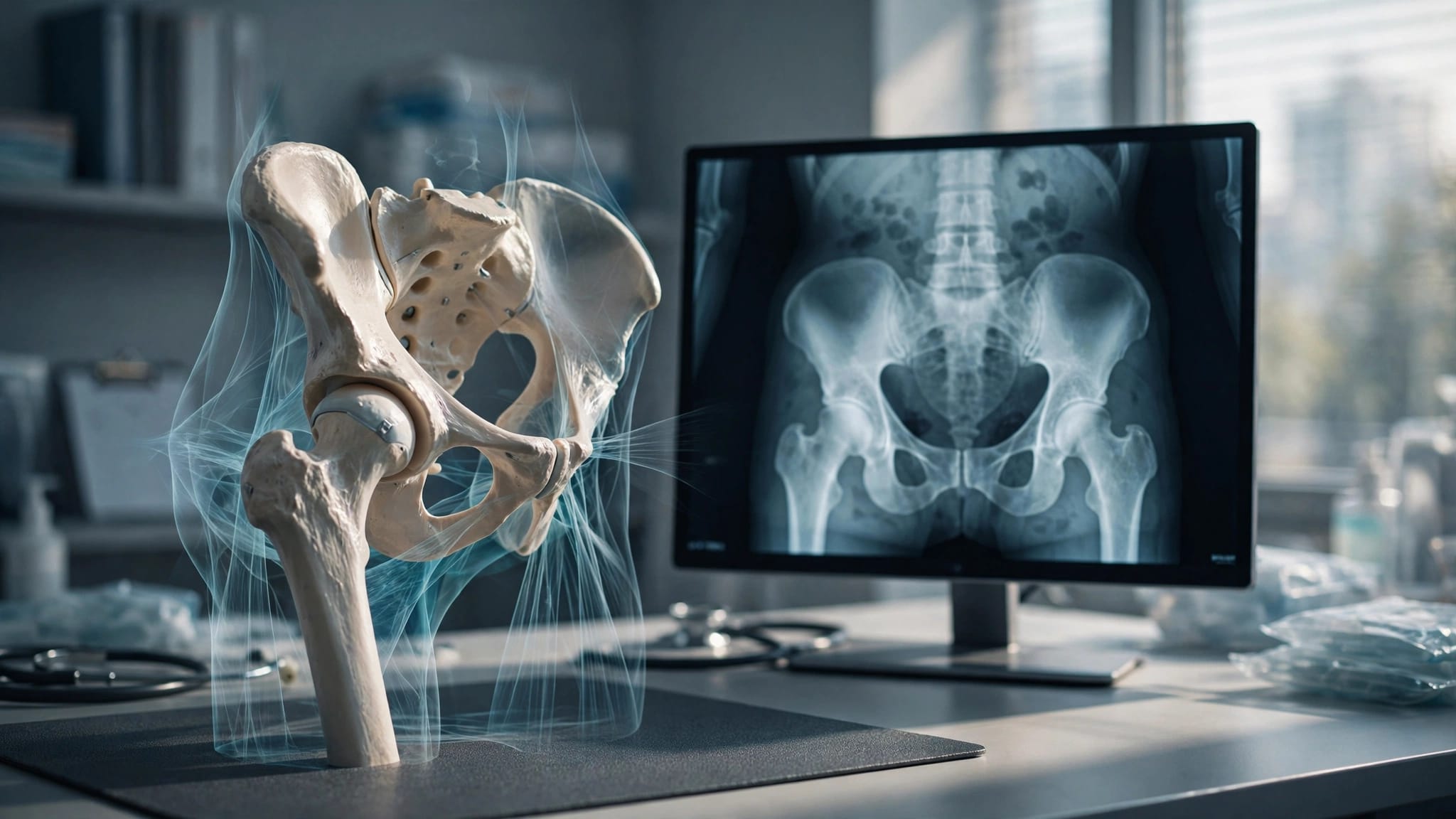
The femoral neck connects the ball of the hip joint to the thighbone. A break here can affect both the bone's stability and the blood supply to the ball.
Displacement and blood supply
A nondisplaced fracture remains close to its original alignment. A displaced fracture has shifted, which can damage blood vessels supplying the femoral head.
That distinction matters because poor blood supply can prevent healing or lead to avascular necrosis, in which bone tissue dies. Even when fixation restores alignment, the surgeon must consider whether the femoral head can survive and the fracture can unite.
Displacement is important, but it doesn't answer every treatment question by itself.
Fracture shape and surrounding anatomy
X-rays show the fracture's location, alignment, and whether the bone has broken into several pieces. A steep fracture angle or crushed bone can make stable fixation more difficult.
If symptoms strongly suggest a fracture but X-rays don't show it, MRI or CT may help identify the injury.
The surgeon also evaluates existing arthritis, previous hardware, and the condition of the socket. These findings can influence both the operation and the surgical access needed.
Fixation or Replacement: Two Different Goals
Fixation and replacement solve different problems. Fixation holds the broken bone together while it heals. Replacement removes the damaged femoral head and neck and substitutes artificial components.
Preserving the natural hip
Surgeons often favor fixation in younger patients because preserving the natural joint has long-term value. Selected stable fractures in older adults may also receive fixation.
Depending on the fracture, the surgeon may use screws or a plate-and-screw device. Successful fixation requires adequate alignment, mechanical stability, and enough biological capacity for healing.
Possible problems include failure to heal, collapse, hardware failure, or loss of blood supply to the femoral head. Some patients later need replacement because of these complications.
Choosing partial or total replacement
For many older adults with displaced femoral neck fractures, replacement offers a more dependable option than waiting for the fracture to heal.
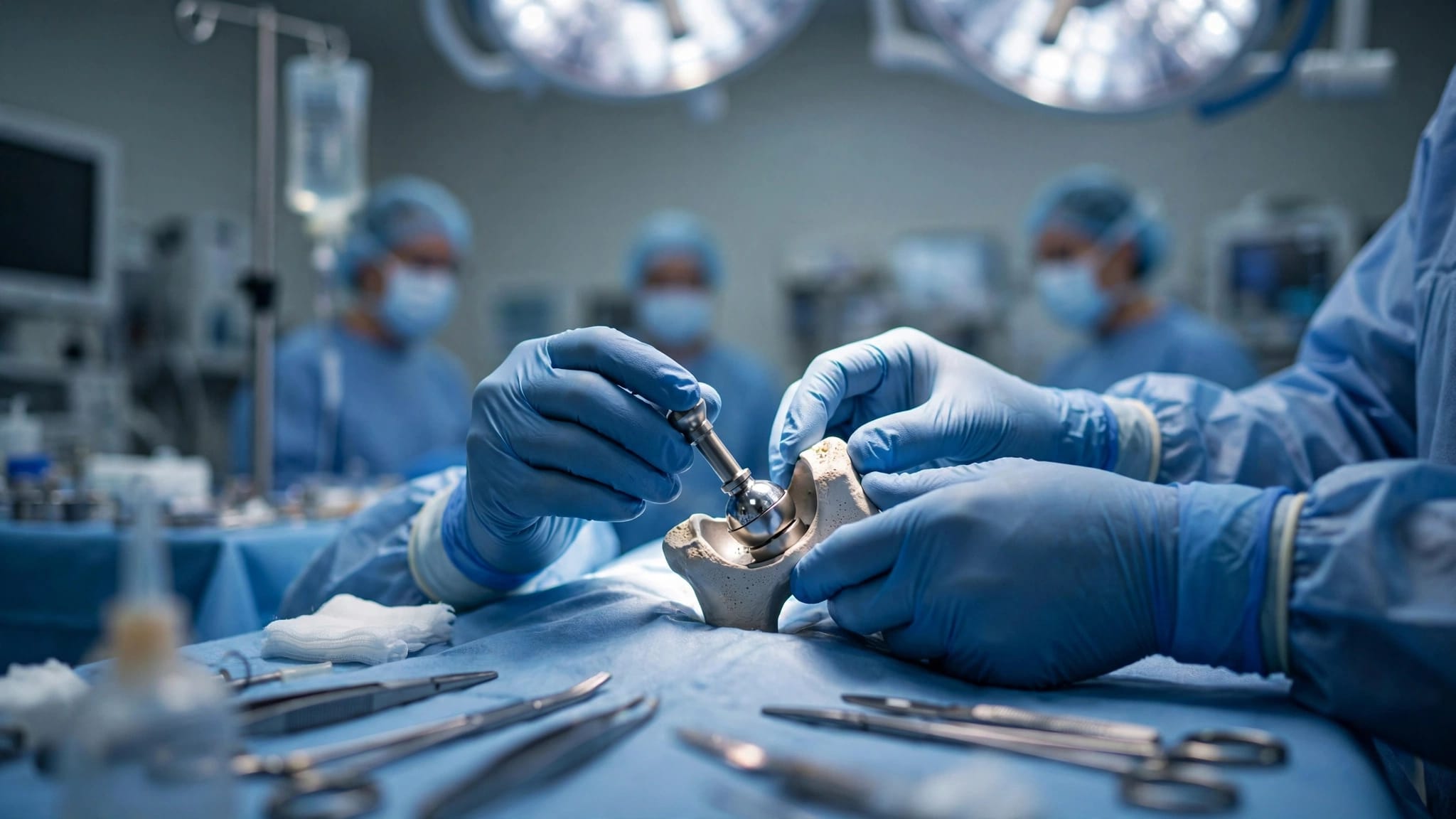
A hemiarthroplasty , or partial replacement, replaces the ball while retaining the natural socket. Total hip replacement replaces both the ball and the socket's joint surface.
Previous activity, existing arthritis, medical fitness, and dislocation risk help guide this choice. An independently mobile person with an arthritic socket may have different needs than someone with substantial frailty and limited walking ability.
SuperPATH enters the discussion as an approach to replacement. It doesn't substitute for deciding which operation is appropriate.
Where SuperPATH Hip Replacement Fits
SuperPATH is a tissue-sparing route to the hip joint. It describes how the surgeon reaches the joint, rather than a special implant or a separate fracture-healing treatment.
The aim of tissue preservation
The technique seeks to limit disruption of certain muscles and tendons around the hip. Preserving these tissues may help some patients move more comfortably during early recovery.
However, a smaller access point doesn't make replacement a minor operation. The surgeon still removes damaged bone, prepares the remaining bone, and positions implants.
SuperPATH doesn't guarantee less blood loss, faster discharge, or fewer complications. Hip replacement risks still include infection, bleeding, blood clots, dislocation, fracture, nerve injury, and possible future surgery.
Safe access comes before incision size
After a fracture, the surgeon needs enough visibility and control to prepare the bone and place stable components.
Unusual anatomy, major deformity, previous surgery, retained hardware, or substantial bone loss may make limited access more demanding. Another approach may provide safer exposure in those circumstances.
The choice also depends on the surgeon's experience with the technique and the operation required. A plan may change during surgery if the findings differ from the imaging.
The priority is stable reconstruction with safe implant positioning .
Age Matters Alongside Life Before the Fracture
Two people of the same age can have very different treatment needs. Someone who walked outdoors independently before the injury may have different recovery goals than someone who needed assistance with transfers.
Clinicians consider walking aids, stair use, living arrangements, and the activities that mattered before the fall. Previous hip pain also helps distinguish longstanding joint disease from pain caused by the new fracture.
Memory problems, Parkinson's disease, stroke-related weakness, or neuropathy can affect balance and rehabilitation. These conditions don't automatically rule out replacement, but they can influence implant selection, precautions, and support needs.
Frailty also differs from age. Weakness, unintentional weight loss, exhaustion, and difficulty with daily tasks may indicate reduced physical reserve. Our discussion of frailty assessment before hip replacement describes these considerations.
The goal is to match treatment to the person's function and priorities, rather than an age cutoff alone.
Bone Strength and Medical Health Shape Safety
A femoral neck fracture requires prompt hospital assessment. Unlike planned surgery for arthritis, fracture care often involves urgent decisions while the team addresses immediate medical risks.
Bone quality affects implant fixation
Osteoporosis can reduce the strength available to hold screws or support a replacement stem. It can also increase the risk of another fracture during or after surgery.
When replacement is appropriate, bone quality helps guide implant design and whether the stem uses bone cement or a cementless fixation method. SuperPATH doesn't determine that choice.
A low-energy fracture also calls for bone-health care. Evaluation may include osteoporosis assessment, vitamin D status, and a review of medications. Treatment should also address nutrition, fall prevention, and whether osteoporosis medication is appropriate.
Medical preparation supports urgent care
The team reviews heart and lung disease, kidney function, anemia, diabetes, and medications that affect bleeding. Blood thinners need a coordinated plan, so patients shouldn't stop or restart them independently.
Anesthesia planning also accounts for medical conditions and the demands of the operation. The team balances necessary stabilization against the risks of prolonged immobility.
Pain control, hydration, and delirium prevention belong in that plan. Caregivers can help by explaining the patient's usual memory and behavior, medication routine, and hearing or vision needs. This information helps clinicians recognize a change in mental status.
Recovery Follows the Fracture and the Operation
Recovery after fracture surgery can differ from recovery after an elective replacement. The injury, sudden loss of mobility, medical health, and time spent inactive all affect progress.
Walking follows the surgeon's loading plan
Physical therapy begins when the patient is medically ready. Early goals usually involve getting out of bed, transferring safely, and walking with an appropriate aid.
The amount of weight allowed through the operated leg depends on the procedure and its stability. Bone quality, implant fixation, or additional repair may change those instructions.
Our explanation of weight-bearing limits after hip surgery describes why one patient's plan may differ from another's.
A SuperPATH incision doesn't establish permission to walk without support. Follow the prescribed loading and movement instructions even when pain improves.
Rehabilitation needs a workable support plan
Discharge depends on safe function and medical needs. Some patients can recover at home with assistance, while others need inpatient rehabilitation or skilled nursing care.
Therapy addresses strength and balance as well as practical tasks, including using the bathroom and managing steps. Choosing between home health and outpatient therapy depends on mobility, transportation, and the help available.
Recovery also includes wound care, pain treatment, and prescribed blood-clot prevention. Increasing wound drainage, spreading redness, fever, or new calf swelling needs prompt medical attention. Sudden shortness of breath or chest pain requires emergency care.
Frequently Asked Questions
Does osteoporosis rule out SuperPATH?
Osteoporosis doesn't automatically exclude SuperPATH hip replacement. However, weak bone changes the evaluation of implant support, fracture risk, and postoperative loading.
The surgeon considers the severity of bone weakness together with the fracture, anatomy, and medical health. A suitable plan may involve a different implant fixation method, modified rehabilitation, or another surgical approach.
Bone-health treatment remains important regardless of which approach the surgeon uses.
Will SuperPATH mean a faster recovery after a fracture?
A faster recovery isn't guaranteed. Tissue preservation may help some patients during early rehabilitation, but the fracture and the patient's condition still matter.
General SuperPATH hip replacement recovery milestones provide context, but they aren't a fracture-specific schedule. Someone recovering after an unexpected fall may need more support than a patient who prepared for elective surgery.
Progress is better judged by safer transfers, improving walking, and greater independence than by another patient's timeline.
A Treatment Plan Built Around the Whole Person
The strongest plan begins with the fracture and the person who sustained it. SuperPATH may fit when replacement is appropriate and the surgeon can achieve safe access and stable reconstruction.
At Ameglio Orthopedics, we consider the whole person when discussing treatment. The operation and recovery plan belong together , with bone strength, medical health, previous mobility, and rehabilitation needs all guiding the decision.
ADDITIONAL ARTICLES