June 24, 2026
Blood Clot Signs After SuperPATH Hip Replacement
After hip replacement, some swelling and soreness are expected, but a blood clot can hide behind symptoms that look routine. That is why blood clot signs after hip replacement deserve a close look, especially in the first few weeks.
SuperPATH is a hip replacement approach, and clot warning signs are generally the same as with other hip replacements. If you're caring for someone at home, the safest move is to watch for changes, not just pain levels. If you're still getting oriented to the first day, what to expect during SuperPATH surgery day can help set the scene.
What recovery usually feels like after SuperPATH
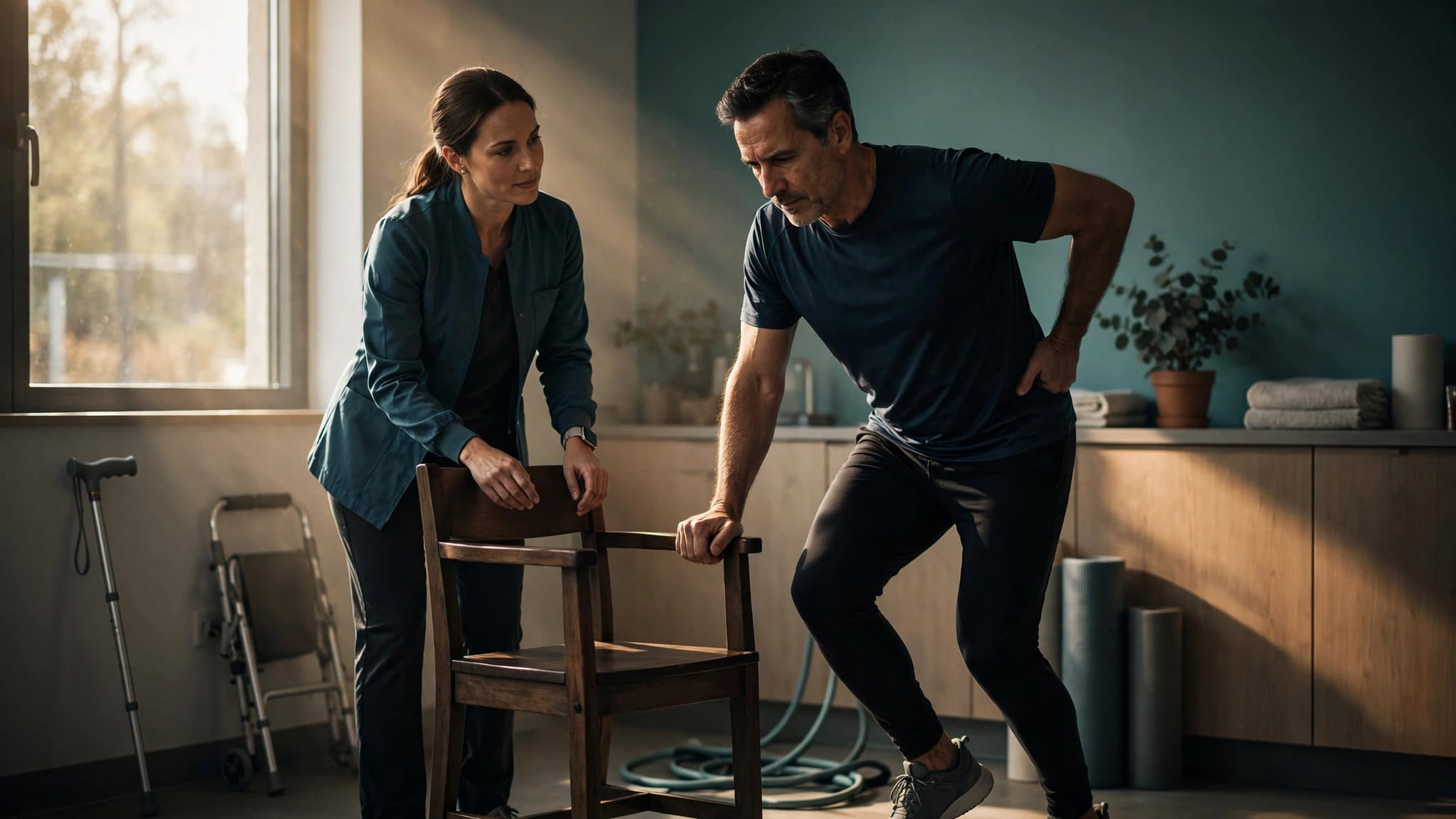
A healing hip often feels stiff, sore, and tired. The thigh, groin, or hip can ache after walking or doing therapy. Mild swelling around the hip and upper leg is common too.
Bruising can spread and look dramatic. That does not automatically mean something is wrong. The same goes for warmth near the incision, as long as it stays local and slowly improves.
The key is the trend. Normal recovery should move in the right direction over time. Pain should settle a little, swelling should ease, and walking should get easier, even if progress is slow.
A clot can feel different. Instead of improving, the leg may feel heavier, tighter, or more painful from one day to the next. A calf that starts to look larger than the other one deserves attention.
A sore hip is expected after surgery. A calf that keeps swelling or hurting is not something to ignore.
Blood clot warning signs that need attention
Blood clots after hip replacement often start in the leg. That is called a deep vein thrombosis, or DVT. The signs can be subtle at first, so don't brush them off as normal soreness.
Watch for these changes:
- One-sided swelling in the calf, ankle, foot, or whole leg
- Pain or tenderness in the calf that feels deep, tight, or worse when standing
- Skin that feels warmer on one side
- Redness or color changes that spread beyond the incision area
- A leg that feels firm, heavy, or unusually tight
- New pain that keeps getting worse instead of easing
A clot can also move to the lungs. That is a pulmonary embolism, or PE, and it needs immediate care. Signs include sudden shortness of breath, chest pain, a fast heartbeat, coughing up blood, fainting, or severe dizziness.
These symptoms are different from the usual post-op aches that come with moving, resting, and doing therapy. If breathing changes suddenly, treat it as an emergency.
When to monitor, call the care team, or go to the ER
Some symptoms can be watched for a short time if they are mild and clearly tied to normal recovery. For example, light swelling that improves after walking, elevating the leg, or taking prescribed medicine may not be a clot sign. Mild soreness around the hip after physical therapy can also be normal.
Call the surgical team the same day if you notice any of these:
- Swelling that is getting worse instead of better
- Calf pain that is new, one-sided, or deep
- Warmth or redness that spreads down the leg
- A leg that looks noticeably different from the other one
- New trouble walking because of pain or tightness
- Missed doses of a blood thinner or clot-prevention medicine
Same-day calls matter because a clot can start with small changes. The sooner the team hears about it, the sooner they can guide you.
Go to the ER immediately if you have:
- Sudden shortness of breath
- Chest pain
- Fainting or near-fainting
- A racing heartbeat with chest symptoms
- Coughing blood
- Blue lips or severe trouble breathing
Do not wait to see if those symptoms pass. Do not drive yourself if breathing is hard or chest pain is present. Call 911 if the symptoms are severe.
How to lower clot risk during recovery
Daily movement matters. Short walks help keep blood moving through the legs, and they also reduce stiffness. If the surgeon or physical therapist gives a walking plan, follow it closely.
Take all clot-prevention medicine exactly as prescribed. If a dose is missed, call for instructions rather than guessing. Compression stockings, if ordered, should be worn the way the team explains.
Hydration helps too. Dehydration can make recovery harder on the body. So can long stretches of sitting with the knees bent.
Keep an eye on the legs, not just the hip. Compare one side to the other in the mirror if something feels off. A small change can be easier to spot that way.
Avoid massaging a swollen calf unless the surgical team tells you to do it. A painful, swollen leg should be checked first. Massage is not a safe test for a clot.
Conclusion
After SuperPATH hip replacement, some swelling and soreness are part of healing. The warning signs of a clot are different, especially when one leg changes more than the other.
The safest rule is simple. If symptoms are mild and improving, keep monitoring. If they are getting worse, call the care team the same day. If breathing or chest symptoms appear, get emergency help right away.
When you know what to watch for, recovery feels less confusing. That peace of mind matters as much as the walk to the kitchen or the next therapy step.
ADDITIONAL ARTICLES