May 28, 2026
SuperPATH Dislocation Risk: What Patients Should Know
The fear of a hip dislocation can sit at the top of a patient's mind before surgery. That worry makes sense, because the joint feels too important to risk.
The good news is that SuperPATH is designed to preserve soft tissue around the hip, which may help lower that concern for many people. Still, no hip replacement is risk-free, and your own risk depends on the surgical technique, implant position, anatomy, and how you move during recovery. If you are weighing treatment for severe pain, it helps to understand orthopedic options for hip arthritis early in the process.
What dislocation means after a hip replacement
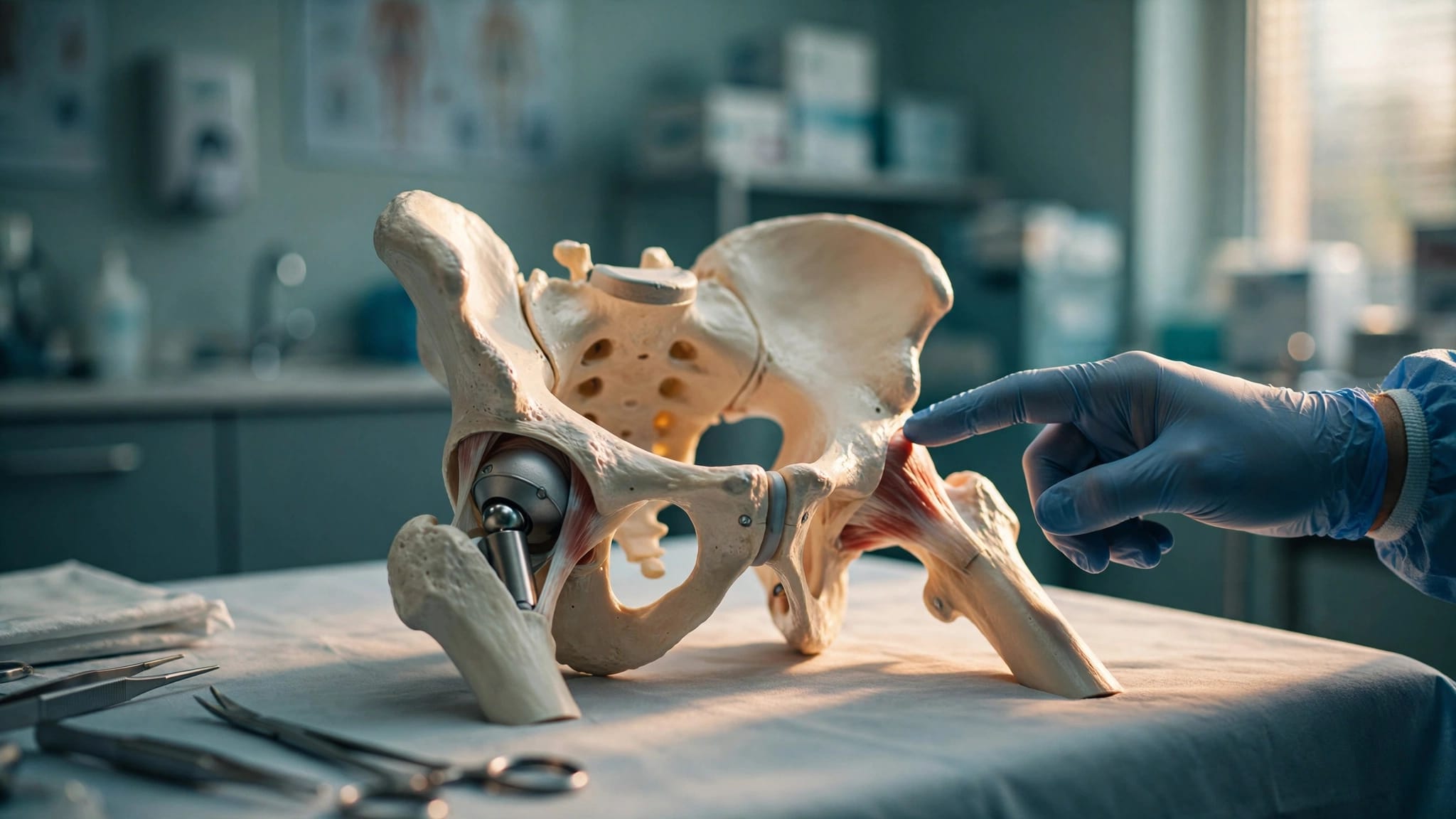
A hip dislocation happens when the ball part of the implant comes out of the socket. It is uncommon, but when it occurs, it usually brings sudden pain and a clear loss of function.
The early weeks after surgery carry the highest risk, because the soft tissues are still healing. During that time, a twist, a deep bend, or a fall can put the new joint in a bad position. That is why surgeons give movement rules right away.
A dislocation is not the same as normal soreness, stiffness, or slow recovery. Many patients worry about every click or twinge, but most of those sensations are part of healing. A true dislocation feels dramatic, painful, and hard to ignore.
Why the SuperPATH approach may lower the risk
SuperPATH is a tissue-sparing method for hip replacement. It is designed to work around muscles and tendons rather than cut through them. That preservation matters, because soft tissue helps keep the joint stable after surgery.
The approach also avoids dislocating the hip during the operation. That can reduce stress on the tissues around the joint, which is one reason many patients ask about the modern tissue-sparing hip replacement techniques used with SuperPATH.
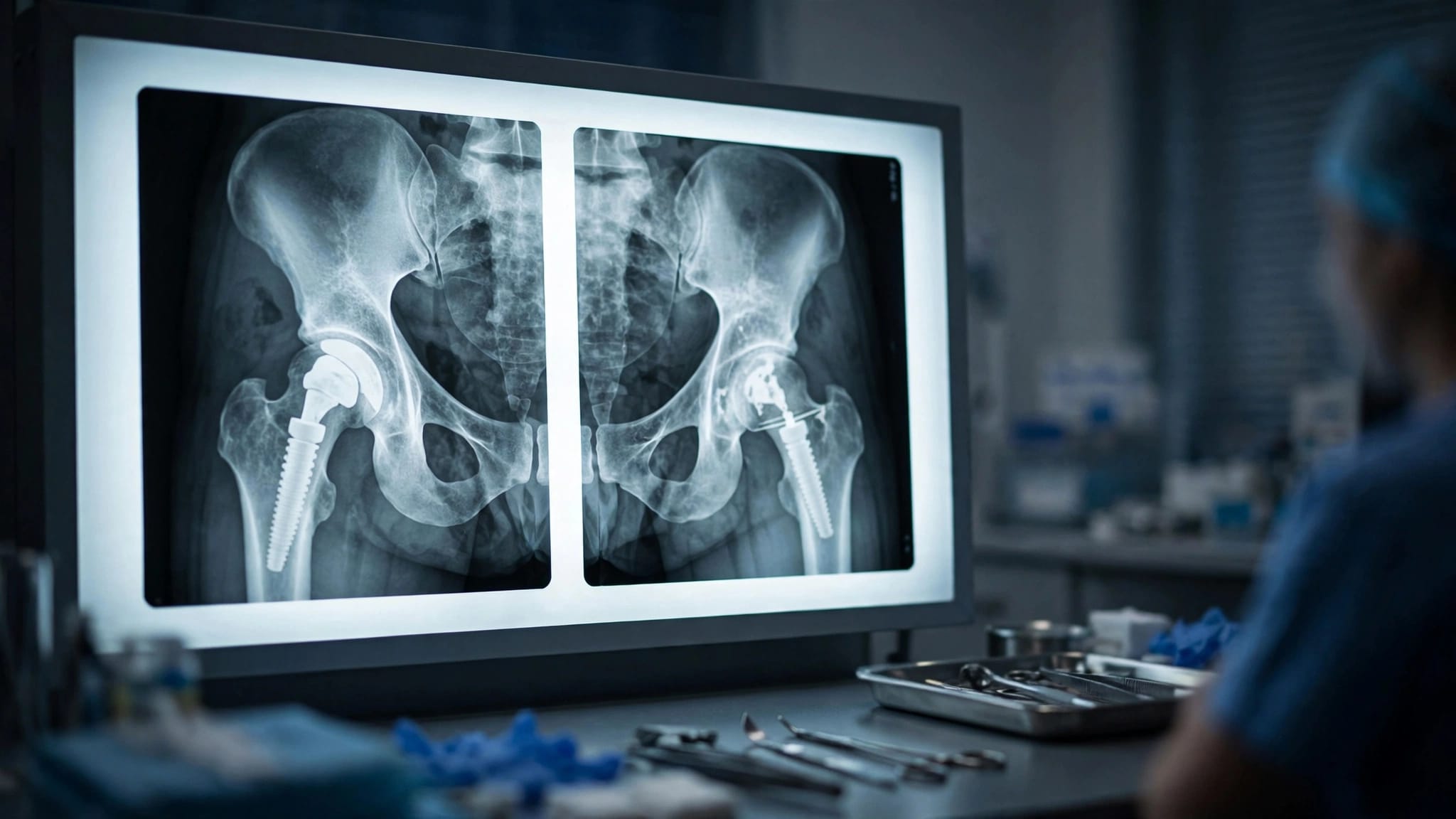
That said, a lower risk is not the same as no risk. Implant placement still matters, and so does the condition of the surrounding tissue. A well-done SuperPATH procedure can still lead to instability if the components sit poorly or the hip has unusual anatomy.
The surgeon's planning matters too. Careful templating, precise component placement, and the right soft-tissue balance all work together. When those pieces line up, the hip usually feels more secure.
What still changes your personal risk
Your own body has a big say in this. Some people have a naturally higher risk because of prior surgery, weak muscles, spine stiffness, or hip deformity. Others have anatomy that makes the implant sit and move more predictably.
Implant placement matters
The cup and stem need to be positioned with care. If the angle is off, the hip may be more likely to slip out of place. That is true even if the operation goes smoothly.
This is one reason experience matters when you choose a surgeon. A good result depends on more than the surgical label. It depends on planning, technique, and a steady eye for alignment.
Anatomy and recovery habits matter too
Your pelvis, spine, muscle strength, and leg length all influence how the hip moves. Someone with a stiff back may bend differently than expected. Someone with weak muscles may not control a turn as well.
Recovery habits matter just as much. Sitting too low, twisting on a planted foot, or bending far forward too early can raise the chance of trouble. If you want a clearer picture of the first few weeks, recovery expectations for minimally invasive hip replacement can help frame the early limits and milestones.
A few simple habits lower the chance of a problem:
- Use the walker, cane, or other aid exactly as directed.
- Keep the hip within the movement limits your surgeon gives you.
- Turn with your feet, not just your torso, when changing direction.
- Avoid low chairs and deep seats until you are cleared.
- Ask before resuming exercise, driving, or yard work.
These steps may sound basic, but they protect the joint during the most vulnerable phase.
Warning signs you should not ignore
A true dislocation usually comes on suddenly. You may feel sharp pain, lose the ability to bear weight, or notice that the leg looks shorter or turns inward or outward in an odd way.
If that happens, do not try to force the hip back into place. Call your surgeon or go to urgent care right away. The joint needs prompt medical attention.
Also call for help if you have fever, drainage from the incision, spreading redness, or swelling that keeps getting worse. Those signs can point to infection, and infection can threaten the implant's stability.
A fall, a hard twist, or a new sense that the hip "popped" out of place deserves a quick call too. Even if the pain eases, the joint still needs to be checked.
Conclusion
The SuperPATH dislocation risk is often low, but it is never zero. The best way to think about it is as a mix of surgery, anatomy, implant position, and recovery behavior.
If you are talking with a surgeon, ask how they handle implant alignment and what they expect from you after surgery. Your individual risk matters more than a general promise, and the right questions can make that clear.
If you ever suspect a dislocation, or if severe pain, deformity, fever, or drainage appears, seek urgent medical care right away.
ADDITIONAL ARTICLES