July 10, 2026
Osteoporosis and SuperPATH Hip Replacement Options
A diagnosis of osteoporosis doesn't automatically rule out SuperPATH hip replacement . It does, however, change how an orthopedic surgeon evaluates your bone strength, implant fixation, fracture risk, and recovery plan.
SuperPATH is one surgical approach for total hip replacement. It may help limit disruption to some muscles and soft tissues, but it doesn't correct weak bone. Your surgeon must decide whether the approach and implant design fit your anatomy, bone quality, overall health, and surgical goals.
The first step is understanding how osteoporosis affects the replacement itself.
Key Takeaways
- Osteoporosis can affect how securely a hip implant anchors to bone.
- SuperPATH is a surgical approach, not a treatment for osteoporosis.
- Poor bone quality may influence the choice between cementless, cemented, or hybrid implant fixation.
- A bone density test, medical history, imaging, and fracture-risk assessment help guide planning.
- The safest option depends on your complete clinical picture, not on the approach alone.
How Osteoporosis Changes Hip Replacement Planning
Osteoporosis causes bones to lose density and strength. The condition often develops without symptoms until a fracture occurs, so some patients discover they have it during planning for another procedure.
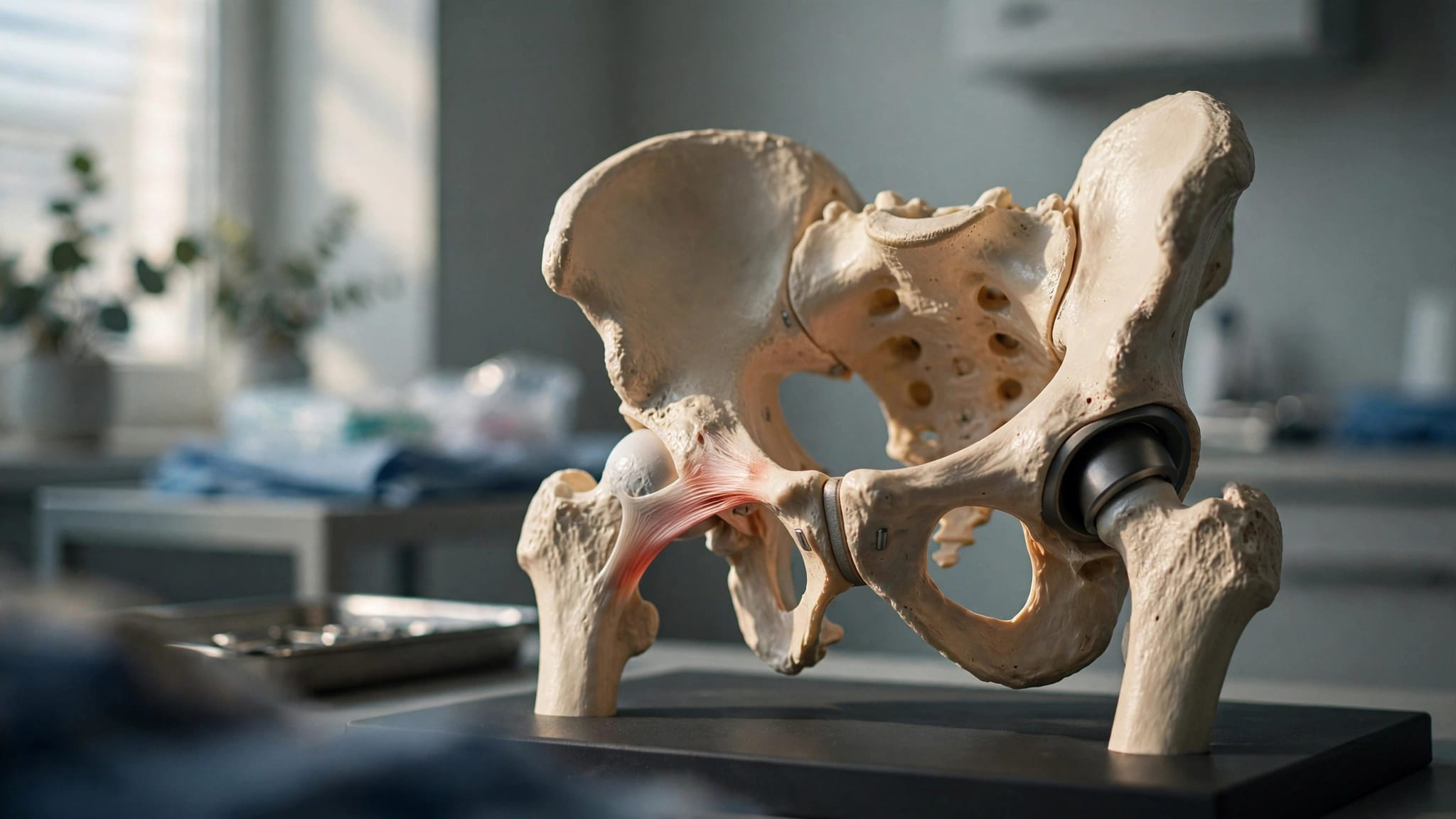
Hip replacement involves two main components. The surgeon places a cup into the pelvis and inserts a stem into the upper femur. Both parts need stable fixation. If the bone is thin or fragile, the implant may not grip as predictably, especially during the early healing period.
That concern doesn't mean surgery cannot proceed. It means the surgeon may need a different implant, fixation method, or recovery plan. The decision depends on the location and severity of bone loss. Bone quality in the femur may matter more when selecting a stem, while the pelvic bone affects the acetabular cup.
A standard X-ray can show arthritis, joint-space loss, deformity, and some fractures. However, it doesn't always identify osteoporosis accurately. Your surgeon may review a DEXA scan , which measures bone mineral density at the hip and spine. Blood tests can also help identify vitamin D deficiency, calcium problems, kidney disease, or other conditions that affect bone health.
Previous fractures provide important information as well. A wrist, spine, or hip fracture after a minor fall may indicate a higher risk than the DEXA score alone suggests. Your surgeon may also consider age, medications, smoking, body weight, balance, and your risk of falling.
Osteoporosis changes the surgical plan, but it doesn't determine the plan by itself.
If your hip pain is severe, delaying replacement may reduce activity and increase weakness. On the other hand, some patients benefit from improving bone health before elective surgery. Your orthopedic surgeon and primary care or osteoporosis specialist can weigh those factors together.
Can Osteoporosis Affect Your SuperPATH Eligibility?
SuperPATH is a technique for accessing the hip joint through a smaller superior pathway. The approach is designed to limit cutting or detaching certain muscles and to preserve more of the surrounding soft-tissue structures than some traditional techniques. Technique details can vary among surgeons.
The approach doesn't make osteoporotic bone stronger. It also doesn't remove the need for careful preparation. The femoral stem and pelvic cup still need reliable fixation, and the surgeon still must manage the risk of fracture during preparation and implant placement.
Some patients with osteoporosis may be candidates for SuperPATH. Others may have anatomy, bone loss, prior surgery, or fracture risk that makes another approach more appropriate. A surgeon may also recommend a different approach if it provides better visibility or control for a complex reconstruction.
Your surgeon should consider:
- The severity and location of bone loss
- The shape of your femur and pelvis
- Any previous hip surgery or fracture
- The type of arthritis or damage in the joint
- Your fall risk, balance, and muscle strength
- The surgeon's experience with each approach
- The implant and fixation method that best fits your bone
A minimally invasive approach isn't automatically safer for every patient. Smaller incisions can sound appealing, but surgical access, implant positioning, and stable fixation matter more than incision size. The right question is whether SuperPATH allows your surgeon to perform your replacement safely and accurately.
Recovery also varies. Some patients progress quickly, while others need more time because of age, weakness, osteoporosis, or other medical conditions. Your weight-bearing instructions may depend on the stability of the implant and the condition of your bone.
Implant Fixation May Matter More Than the Approach
Hip implants are commonly fixed with cementless, cemented, or hybrid techniques. The choice is especially important when osteoporosis affects the upper femur.
A cementless stem is held in place by a press-fit. Over time, bone grows onto the implant surface. This method can work well when the bone provides a strong initial grip. With osteoporosis, however, the surgeon may worry about poor purchase or a fracture during insertion.
A cemented stem uses bone cement to provide fixation at the time of surgery. Many surgeons consider cemented fixation for older adults or patients with weak femoral bone because it can provide immediate stability. A hybrid replacement may combine a cemented femoral stem with a cementless cup.
There isn't one fixation method that fits every person with osteoporosis. The decision can depend on bone shape, bone density, age, activity level, fracture history, and the surgeon's assessment during the operation.
The main risks include:
- Periprosthetic fracture , which is a break in the bone around the implant
- Loosening , if the implant doesn't achieve stable fixation
- Delayed recovery , especially when weight-bearing must be limited
- Dislocation or instability , depending on implant position, soft tissues, and patient factors
- Future revision surgery , if the implant later loosens or the surrounding bone changes
SuperPATH may affect how the surgeon reaches the hip, but it doesn't eliminate these bone-related risks. The implant's design, the surgeon's technique, and the quality of the bone all matter.
Ask your surgeon why a particular stem and cup were selected. A clear answer should include how the components will be fixed and how your bone density influenced the plan.
Preparing for Hip Replacement With Osteoporosis
Bone health planning should begin before surgery whenever time allows. Start by giving your orthopedic surgeon a complete list of medications and supplements. Include corticosteroids, bisphosphonates, denosumab, hormone-related medications, and any previous osteoporosis treatments.
Don't stop a medication on your own. Some drugs require specific timing around surgery, while stopping others suddenly can create health risks. Your orthopedic surgeon should coordinate with the clinician who manages your osteoporosis.
Your care team may order a DEXA scan if you haven't had one recently. They may also check laboratory values that affect bone and muscle health. If treatment is needed, options can include antiresorptive medicines or bone-building medicines, depending on your fracture risk and medical history.
Nutrition supports recovery, but supplements aren't a substitute for medical treatment. Ask how much calcium and vitamin D you need based on your diet, laboratory results, kidney function, and current medications. Adequate protein also supports muscle recovery after joint replacement.
Before surgery, address fall hazards at home. Remove loose rugs, improve lighting, keep frequently used items within reach, and arrange help for bathing, meals, and transportation. Strengthening exercises may help if your surgeon or physical therapist approves them.
At the consultation, ask direct questions:
- How does my bone density affect the choice of hip implant?
- Would you recommend cementless, cemented, or hybrid fixation for me?
- Is SuperPATH appropriate for my anatomy and fracture risk?
- How much weight can I place on the leg after surgery?
- What will happen if the bone feels weaker than expected during the procedure?
- Should I see an osteoporosis specialist before surgery?
- Which medications or supplements need adjustment?
After surgery, follow weight-bearing and exercise instructions closely. Use the walker or cane for as long as directed. Report sudden groin or thigh pain, a new leg-length difference, a fall, fever, wound drainage, or a sudden loss of function.
Medical information about osteoporosis and hip replacement is educational and isn't a substitute for individualized advice from an orthopedic surgeon. Your own imaging, bone density, health history, and goals must guide the final decision.
Choosing the Right Orthopedic Surgeon
When osteoporosis is part of the picture, surgeon experience matters. Look for an orthopedic surgeon who performs hip replacements regularly and can discuss more than one surgical approach and fixation strategy.
Ask how often the surgeon treats patients with poor bone quality. Find out whether the practice evaluates bone health before elective replacement and how the surgical team handles fracture prevention, implant stability, and rehabilitation.
You should also understand who will manage your bone disease. The orthopedic surgeon may coordinate with your primary care physician, endocrinologist, or another osteoporosis specialist. This teamwork is useful when you take medications that affect bone turnover or when you have a history of fragility fractures.
A good consultation should leave you with a clear explanation of your options. You should know why SuperPATH is being considered, what limitations may apply, which implant fixation is planned, and what could change during surgery.
If a surgeon presents SuperPATH as the right choice for everyone, seek a more individualized discussion. Surgical approaches have different strengths and limitations. Your bone quality and anatomy deserve a plan built around you.
Conclusion
Osteoporosis can affect hip replacement planning, especially the way an implant is fixed and the risk of fracture around surgery. However, it doesn't automatically prevent you from having a SuperPATH procedure.
SuperPATH is one approach, not a guarantee of better results for every patient. The safest choice depends on your bone density, anatomy, fracture history, implant options, and surgeon experience. A careful evaluation gives you a clearer answer than the diagnosis alone, and it helps ensure that your osteoporosis treatment and hip replacement plan work together.
ADDITIONAL ARTICLES