July 12, 2026
SuperPATH Hip Replacement After Lumbar Fusion
A prior lumbar fusion can change how your spine, pelvis, and hip move together. That matters when an orthopedic surgeon plans a SuperPATH hip replacement , but it doesn't automatically rule out the procedure.
Lumbar fusion may affect pelvic tilt and the way the hip socket changes position when you stand, sit, or bend. Your surgeon may need additional imaging and a more detailed implant plan than someone without a fused spine.
The right question isn't simply whether SuperPATH is possible. It is whether the approach and implant choices fit your hip condition, spinal alignment, bone quality, and daily movement patterns.
Key Takeaways
- Prior lumbar fusion can change hip-spine mechanics and affect total hip replacement planning.
- SuperPATH is a muscle-sparing surgical approach, not a special type of artificial hip.
- A fused lumbar spine may raise concern about hip stability, but it doesn't automatically prevent SuperPATH surgery.
- Standing and sitting imaging can help the surgeon understand how your pelvis moves.
- Your orthopedic surgeon should explain the expected benefits, limitations, risks, and recovery plan for your anatomy.
Why Lumbar Fusion Matters During Hip Replacement
Your spine and pelvis work together whenever you move. When you sit, the pelvis normally rotates to help the hip socket change position. That movement helps the femoral head and socket stay aligned during activities such as rising from a chair or getting into a car.
A lumbar fusion can reduce motion in part of the spine. As a result, your pelvis may not adjust in the usual way. The hip may then take on more movement, and the socket may face a different direction during sitting than it does while standing.
This relationship is often called spinopelvic mechanics . It includes spinal alignment, pelvic tilt, hip motion, and the position of the artificial components after surgery. A surgeon must consider how these parts behave together rather than reviewing a hip X-ray alone.
Prior fusion also varies from person to person. The number of fused levels, the location of the fusion, your existing spinal alignment, and any additional procedures can all affect the plan. A patient with a short, stable fusion may have different mechanics from someone with a long fusion that extends to the pelvis.
This doesn't mean you cannot have a total hip replacement. It means the surgeon needs to understand your movement pattern before selecting component position and implant design.
A lumbar fusion can change the mechanics around a new hip, but it is not an automatic disqualification for SuperPATH or total hip replacement.
Hip and spine symptoms can also overlap. Arthritis in the hip often causes groin pain, reduced hip rotation, trouble putting on shoes, or pain when climbing stairs. Spine-related pain may travel into the buttock or leg and may include numbness, tingling, or weakness. A careful exam helps identify which joint is driving your symptoms.
What SuperPATH Hip Replacement Involves
SuperPATH stands for Supercapsular Percutaneously Assisted Total Hip. It is a surgical approach used for total hip replacement. The surgeon reaches the hip through a superior, or upper, portion of the joint while working to preserve certain muscles and soft tissues around the hip.
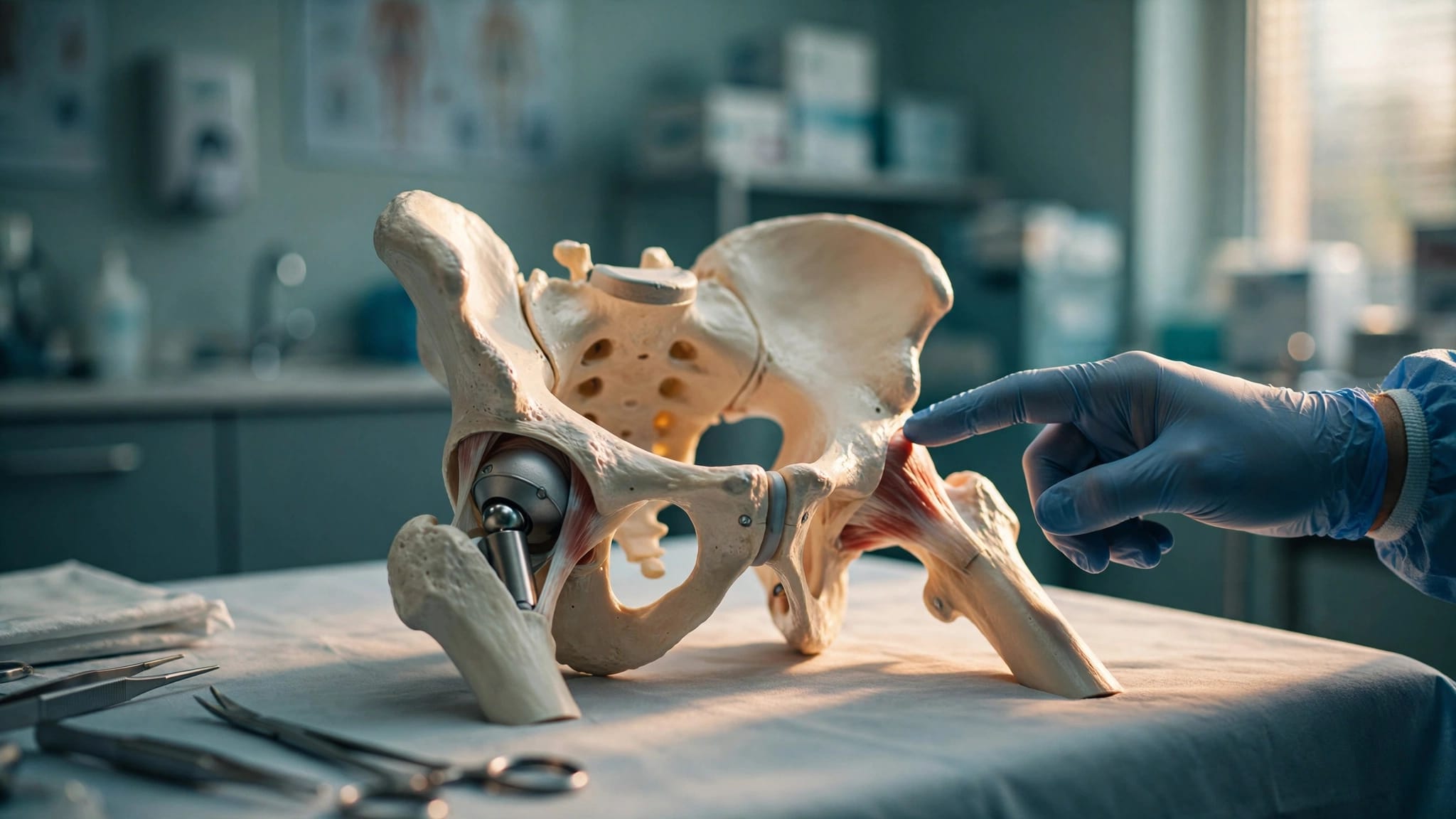
Unlike an implant, SuperPATH describes how the surgeon accesses the hip . The implant still includes an artificial socket, a femoral stem, and a ball that replace the damaged joint surfaces. Your surgeon may use different implant materials or designs based on your age, bone strength, anatomy, activity level, and stability needs.
The approach may allow the surgeon to limit disruption of some muscles and external rotators. However, the exact incision, instruments, soft-tissue handling, and postoperative restrictions depend on the surgeon and the individual operation. A minimally invasive approach does not mean the surgery is minor.
For someone with prior lumbar fusion, the choice of approach is only one part of the decision. Component positioning and stability may matter just as much. In some cases, the surgeon may consider implant options designed to provide greater stability, such as a dual-mobility construct. That choice depends on your anatomy and risk profile, and it isn't appropriate for every patient.
SuperPATH also doesn't eliminate the standard risks of hip replacement. Possible complications include infection, blood clots, fracture, nerve or blood vessel injury, leg-length differences, dislocation, implant loosening, and the need for revision surgery. Your surgeon should discuss which risks apply to you.
How Your Surgeon May Plan the Operation
Planning often begins with a complete history and physical exam. Bring details about your lumbar fusion, including the levels treated, the date of surgery, any hardware, and later procedures. Prior operative reports and recent spine imaging can help if they're available.
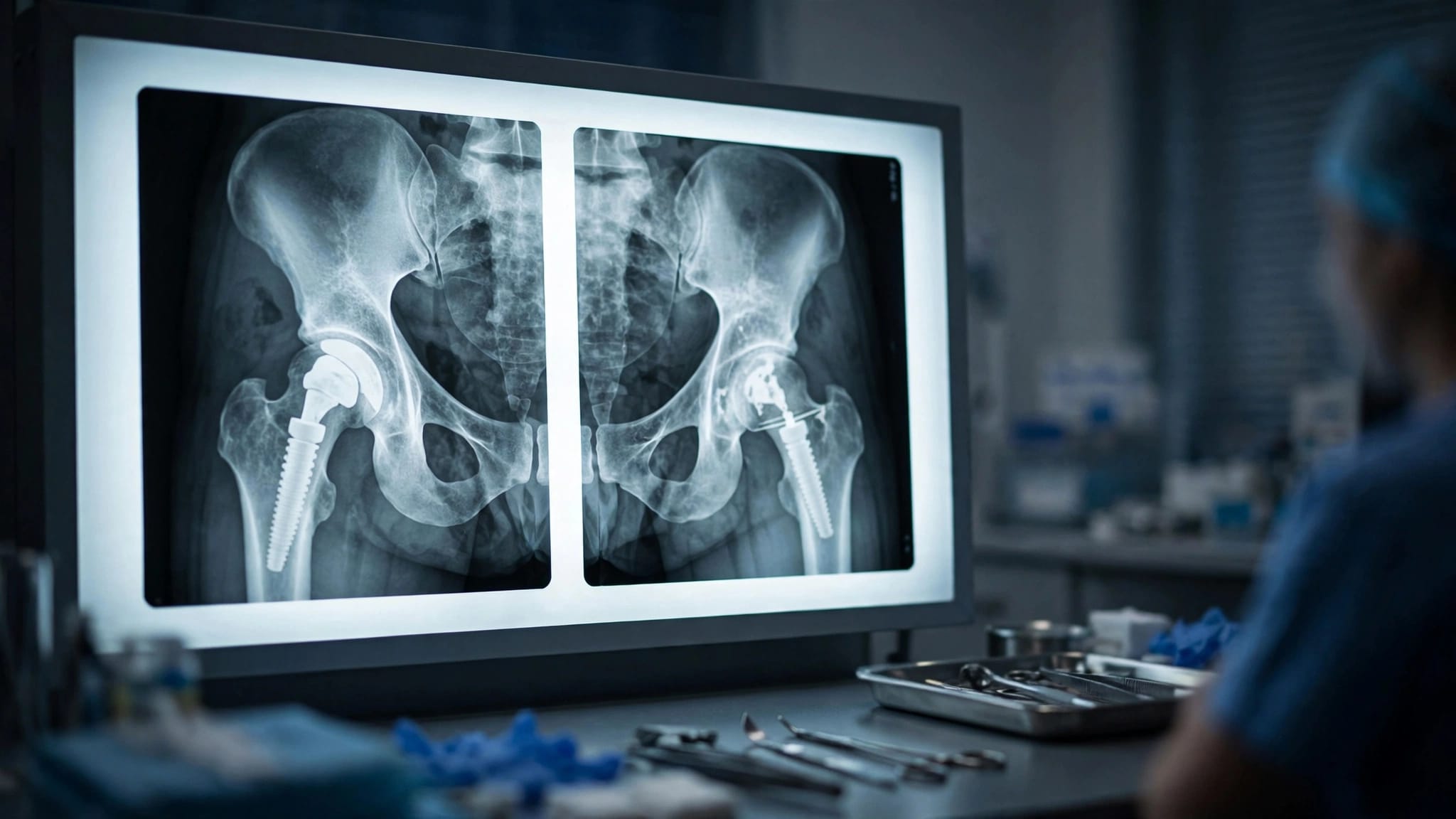
Your orthopedic surgeon may order X-rays that show the pelvis and spine while you stand. Sitting lateral images can show how much the pelvis changes position during movement. In selected cases, the surgeon may request additional imaging, such as a CT scan, to assess bone anatomy, existing hardware, or complex deformity.
The evaluation may focus on:
- Spinal alignment , including the curve of the lower back and the position of the pelvis
- Pelvic mobility , especially the change between standing and sitting
- Hip anatomy , including socket depth, bone loss, and deformity
- Bone quality , which can affect fixation and fracture risk
- Leg length and offset , which influence balance and soft-tissue tension
- Stability needs , based on your movement pattern and surgical history
Your surgeon may also examine your gait and measure hip motion. Sometimes the hip and spine both contribute to pain. Treating the wrong source first can leave symptoms behind, so diagnosis matters before scheduling surgery.
A fused spine can affect the functional position of the cup, even when the pelvis looks acceptable in a standard image. For that reason, surgeons may use a patient-specific plan rather than rely on one fixed positioning target. Computer-assisted planning may help in selected cases, but it doesn't replace the surgeon's judgment or the physical examination.
Ask whether your surgeon has reviewed your standing and sitting alignment. Also ask how the lumbar fusion affects the planned cup position, implant choice, leg length, and precautions after surgery.
Recovery After SuperPATH With a Fused Spine
Recovery varies with your overall health, muscle strength, bone quality, surgical findings, and rehabilitation plan. SuperPATH may support an early mobility program in some patients, but no approach guarantees less pain, a faster recovery, or freedom from restrictions.
After surgery, physical therapy usually focuses on walking safely, restoring hip strength, improving balance, and protecting the healing tissues. Your prior lumbar fusion may affect posture and gait training. You may need to work on both hip movement and the way your pelvis and lower back share motion.
Your surgeon may set specific precautions based on stability and implant selection. These instructions can differ from standard hip replacement advice. Follow the plan from your surgical team rather than using recovery timelines from another patient.
Before surgery, arrange practical support for the first days at home. You may need help with transportation, meals, bathing, and tasks that require bending. Prepare any walking aid recommended by your care team and keep frequently used items within easy reach.
Contact your medical team promptly for worsening pain, drainage, fever, calf swelling, chest pain, shortness of breath, or a sudden change in leg function. These symptoms can have different causes, and early assessment is important.
The goal of rehabilitation is not only to make the hip feel better. It is also to help you develop a stable, efficient walking pattern while your spine and pelvis continue to work within their limitations.
Questions to Ask Before Choosing a Surgeon
A consultation should give you a clear picture of how your spine affects the hip replacement plan. Consider asking:
- Is my pain mainly coming from the hip, the lumbar spine, or both?
- Which levels of my spine are fused, and how do they affect pelvic movement?
- Do I need standing and sitting X-rays or other imaging?
- Is SuperPATH appropriate for my anatomy and surgical history?
- Which implant design would you consider, and why?
- How will you manage the risk of instability or leg-length difference?
- What restrictions and physical therapy plan should I expect?
- How might my prior fusion affect walking, pain, or recovery?
- What symptoms should prompt an urgent call after surgery?
Look for an orthopedic surgeon who listens to your goals and reviews both the hip and spine history. Experience with complex hip replacement planning is useful, but your personal examination and imaging should guide the recommendation.
A second opinion can also help when the diagnosis is uncertain, the spine has several fused levels, or another surgeon has recommended a different approach. Bring your imaging and operative records so the consultation starts with complete information.
Conclusion
A prior lumbar fusion changes the planning conversation for hip replacement because the spine and pelvis may move differently. It can affect component positioning, implant selection, stability, and rehabilitation, but it doesn't automatically exclude SuperPATH hip replacement .
The safest decision comes from a detailed assessment of your hip, spine, pelvic motion, bone quality, and goals. Ask your treating orthopedic surgeon to explain how those factors shape the operation and recovery plan. A well-planned procedure should match your actual anatomy, not a standard template.
ADDITIONAL ARTICLES