June 21, 2026
How Long Does Numbness Last After SuperPATH Hip Replacement
After SuperPATH hip replacement, a numb patch near the incision can catch people off guard. It may feel strange, but it usually has a simple cause, small skin nerves were moved, stretched, or irritated during surgery. For many patients, the feeling fades over weeks or months. In some cases, a small area stays numb longer, so it helps to know what is expected and what should be reported.
Why numbness happens after SuperPATH hip replacement
SuperPATH is designed to spare more muscle and soft tissue than older hip replacement methods. Even so, the surgeon still has to make an incision, place instruments, and work around nerves in the skin and surface tissue. That can leave a numb, tingly, or "asleep" patch around the cut, often near the outer thigh or incision edge.
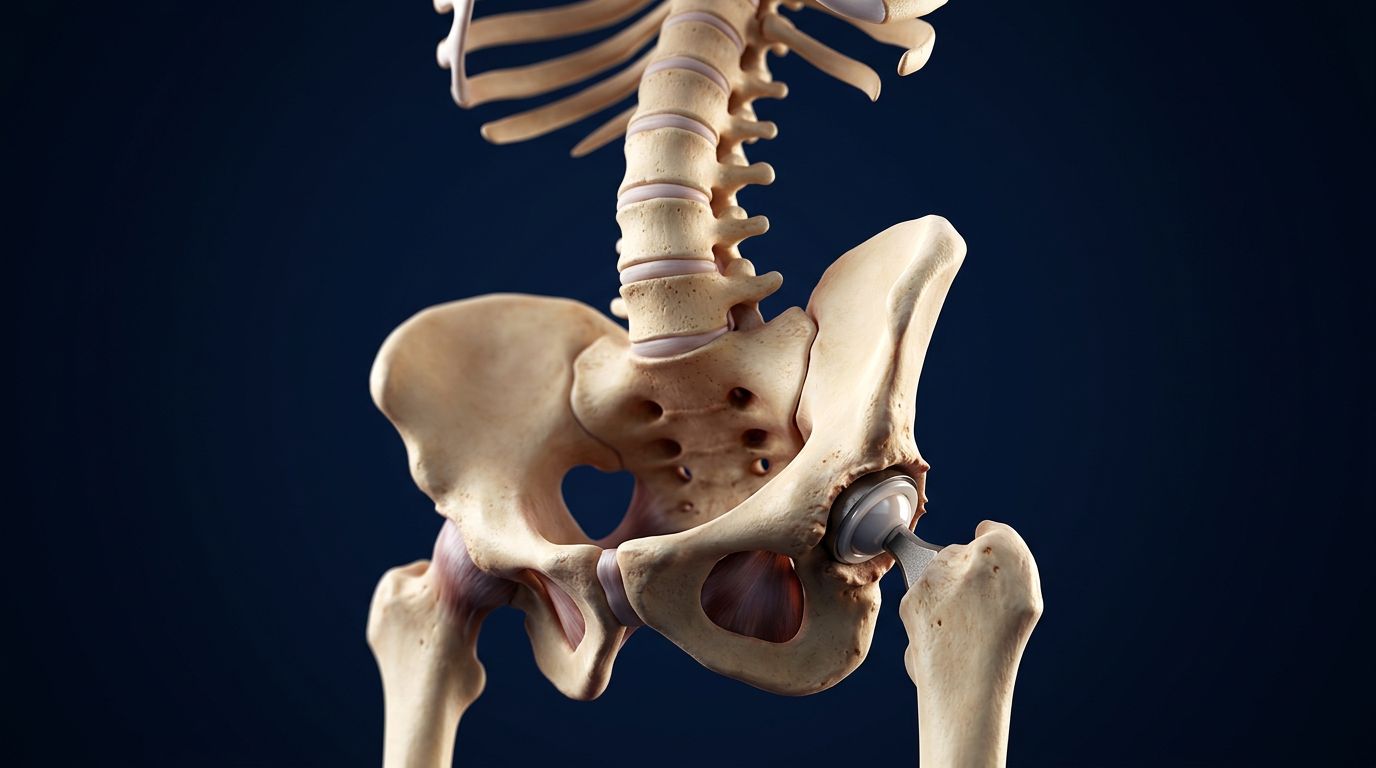
If you want a clearer picture of the approach itself, understanding the SuperPATH surgical technique helps explain why the procedure is less disruptive than many traditional methods, while still requiring healing time.
Swelling also plays a part. A puffy hip can press on nearby nerves and make the area feel dull or fuzzy. In addition, local numbing medicine used during surgery can wear off slowly, so the first day or two may feel different from the rest of recovery.
The important point is simple. SuperPATH hip replacement numbness does not always mean something is wrong. It often means the small nerves near the incision are recovering at their own pace.
What the usual recovery timeline looks like
There is no exact clock for nerve recovery. Some people notice improvement quickly. Others feel numbness for months. The change is usually gradual, like sound returning to a room after someone slowly turns down the volume.
The first day after surgery can also feel busy and a little blurred, so what happens on the day of hip surgery gives a helpful sense of what the early hours are like.
A typical pattern may look like this:
- First few days : Numbness, tingling, or a "sleepy" strip of skin near the incision is common. Swelling can make it feel stronger.
- First few weeks : The numb spot may begin to shrink. You may notice more sensation in some areas than others.
- First few months : Improvement often continues. The skin may still feel odd, but the area usually becomes less distracting.
- Six months and beyond : Some patients still have a small patch of numb skin. For a few, part of that change lasts longer.
This timeline is a guide, not a promise. Age, swelling, nerve sensitivity, and how much tissue had to be handled all affect recovery.
Signs the numbness is part of normal healing
Mild numbness around the incision is common when the rest of recovery is moving along. If the area feels better week by week, that is usually reassuring.
Other signs that often fit normal healing include:
- Tingling, prickling, or brief "wake up" sensations
- A patch of skin that feels less sharp to touch
- Itching without redness or drainage
- A numb area that stays limited to the incision or nearby thigh
Pain can improve before numbness does. That surprises many people. The hip may feel stronger while the skin still feels half asleep.
It also helps to remember that skin nerves and deep joint healing do not always move at the same speed. You may walk better long before every sensation returns. That pattern is common after many minimally invasive procedures.
When to call your surgeon
Some numbness is expected. New or worsening symptoms deserve attention.
Call your surgeon if:
- Numbness spreads instead of shrinking
- The area becomes more painful, especially with burning or electric-like pain
- You notice new weakness, a foot that drags, or trouble lifting the leg
- Redness, warmth, fever, or drainage appears near the incision
- Swelling gets worse fast or one calf becomes much more swollen than the other
- Sensation suddenly changes after it had already been improving
Weakness matters more than numbness alone. A skin patch can be numb while strength stays normal. If your leg feels unstable, or if you cannot bear weight the way you could before, you should contact the office.
Seek urgent care right away for chest pain, shortness of breath, or sudden severe leg swelling. Those symptoms need prompt evaluation.
How to make the numb area easier to live with
The numb skin itself usually does not need special treatment. What helps most is protecting it while the nerves recover.
Keep these habits in mind:
- Follow activity instructions from your surgical team.
- Wear clothing that does not rub the incision.
- Check the skin daily if the area feels dull, because you may not notice irritation as quickly.
- Use ice or pain medicine only as directed.
- Avoid scratching or pressing hard on a numb patch.
- Report any skin changes, even if they seem small.
If the area feels confusing during the first phase of recovery, it helps to know what that period usually looks like. The same careful pacing that helps with walking and stairs also gives irritated nerves time to settle.
Conclusion
Numbness after SuperPATH hip replacement is common, and it often improves slowly over time. The most important clues are whether the numb area is shrinking, whether strength is normal, and whether the incision looks healthy.
A small patch of altered feeling can be part of a steady recovery. Worsening numbness, new weakness, or signs of infection need a call to the surgeon. When the changes stay mild and gradual, patience usually matters more than urgency.
If you're tracking the first weeks after surgery, focus on the trend, not one day of sensation. Recovery often moves in small steps, and skin nerves are no exception.
ADDITIONAL ARTICLES