August 5, 2026
Cementless Hip Implant Thigh Pain: Recovery Guide
Cementless hip implant thigh pain can feel unsettling, especially when the original hip pain has improved but the front or side of your thigh still aches. In many cases, this discomfort comes from normal bone healing, muscle strain, or changes in the way you walk.
The pattern matters more than one painful day. Pain that gradually improves is usually less concerning than pain that grows stronger, appears at rest, or follows a fall. Knowing what to expect can help you pace recovery and recognize when to call your surgical team.
Why cementless hip implant thigh pain can happen
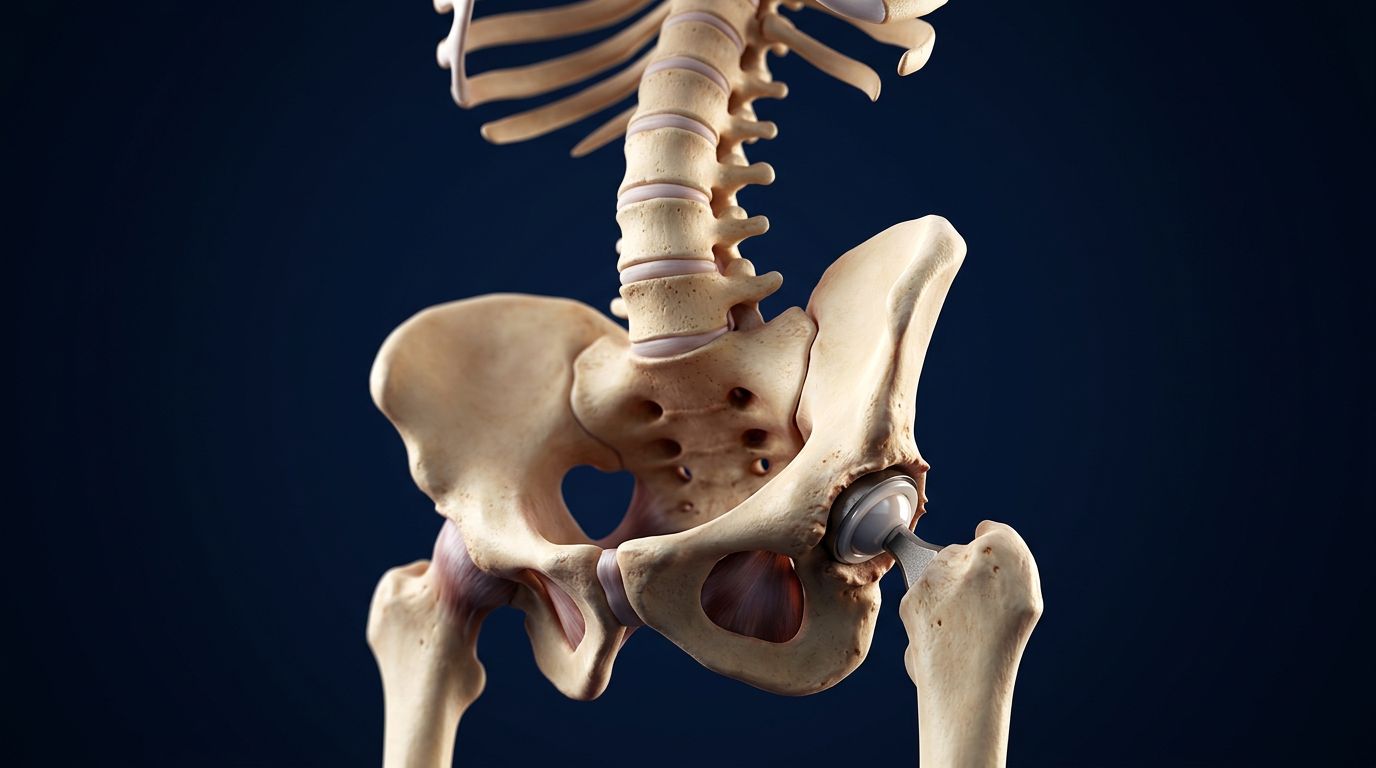
A cementless hip replacement uses a press-fit stem placed inside the thigh bone, or femur. The implant has a textured surface that allows bone to grow onto it over time. Early stability comes from the tight fit, while long-term stability develops as the bone adapts.
That healing process can create aching in the thigh. Your muscles also need time to adjust after surgery because the hip joint has a new position, new mechanics, and temporary weakness around the pelvis. Walking with a walker or cane can add strain to the thigh and hip flexor muscles.
Many patients notice discomfort during the first few steps after sitting or sleeping. This is sometimes called start-up pain. It may ease after a short period of walking, although it should become less frequent and less intense as recovery progresses.
The location can offer useful clues, but it can't identify the cause by itself. Pain in the front of the thigh may relate to the femoral stem or muscle fatigue. Pain on the outer hip may involve irritated soft tissue. Pain that travels below the knee may also come from the lower back or a nerve.
Cementless fixation and the surgical approach are separate considerations. Patients reviewing their treatment options can learn more about hip replacement surgery in Fort Myers before discussing the right procedure with an orthopedic surgeon.
Cementless hip implant thigh pain: what's expected and what's not
Expected postoperative soreness usually follows a clear pattern. The pain may increase after physical therapy, a longer walk, or a busy day. It should settle with rest, ice, and the medication plan prescribed by your surgeon.
A dull ache, tightness, bruising, and stiffness are common during the early weeks. You may also feel tired muscles when you stand for a few minutes. These symptoms should gradually improve, even if progress is uneven.
Recovery rarely follows a perfectly straight line. You might feel better one day and more sore the next after increasing your activity. A temporary flare often means you did more than your tissues could handle that day. Reduce the intensity, then return to your approved routine when symptoms settle.
Contact your surgical team promptly if you notice:
- Pain that becomes stronger each day or no longer improves with your prescribed plan.
- New pain at rest or during the night that wasn't present earlier in recovery.
- A sudden sharp pain, a popping sensation, or difficulty bearing weight after a fall or twist.
- Increasing redness, warmth, swelling, drainage, wound separation, or a fever of 100.4°F (38°C) or higher.
- New numbness, weakness, a cold or pale foot, or a change in leg position.
- Calf pain or swelling, especially with sudden shortness of breath or chest pain.
Sudden chest pain or trouble breathing requires emergency medical attention. Don't wait for a routine postoperative appointment if these symptoms appear.
Pain that improves after activity changes is different from pain that steadily worsens despite rest and treatment.
A realistic recovery timeline after cementless hip replacement
No single schedule fits every patient. Your age, bone quality, general health, surgical approach, implant design, and weight-bearing instructions all affect recovery.
The first two weeks
During the first several days, incision soreness often competes with thigh discomfort. Swelling and bruising can extend down the leg. Walking may feel awkward because the hip and thigh muscles are weak.
Use your walker or cane exactly as instructed. A limp places extra stress on the healing hip, so an assistive device is useful until you can walk with good control. Short, frequent walks are usually easier than one long walk.
Physical therapy may begin quickly, but the exercises should match your surgeon's protocol. Your therapist may focus on safe transfers, gentle range of motion, balance, and muscle activation. Sharp pain is a reason to stop and ask for guidance.
Weeks three through six
As daily movement becomes easier, you may notice the thigh more after therapy or increased walking. That response doesn't automatically indicate a problem. It should improve after rest and should not cause a steady decline in function.
Increase one activity at a time. For example, add a few minutes to a walk before adding stairs or other demanding tasks. Keep using ice with a cloth barrier for the duration recommended by your care team, especially after exercise.
Many patients want to stop therapy once they can walk around the house. Strength and balance often need more time, however. Continue the prescribed program unless your surgeon or therapist changes it.
For a more detailed view of walking, sleep, driving, and activity changes, review this SuperPATH hip replacement recovery timeline. The timeline can provide context, but your own instructions take priority.
After six weeks
Some thigh soreness can continue as bone and muscle adapt. The important signs are a gradual return of strength, improved walking, and fewer painful episodes. Persistent or worsening cementless hip implant thigh pain deserves a clinical review, particularly if it limits normal activity or appears with every step.
Don't resume running, jumping, heavy lifting, deep squats, or twisting movements until your surgeon clears them. Weight-bearing and exercise restrictions differ, so avoid comparing your schedule with someone else's.
How to manage pain without slowing recovery
Pace activity by your symptoms
Recovery improves with regular movement, not with pushing through every painful sensation. Plan short activity periods and rest before fatigue changes your walking pattern. If pain remains elevated for hours after an exercise session, reduce the next session.
Keep essential tasks spread across the day. A shower, short walk, therapy exercises, and household chores may be too much when done together. Ask for help with lifting, reaching, and stairs during the early period.
Follow physical therapy instructions
Your therapist can adjust repetitions, resistance, and walking distance based on your strength. Perform the exercises you were given, but don't add online routines or gym exercises without approval.
A cane or walker can protect your gait while the muscles recover. Using it longer than you hoped is safer than practicing a painful limp. Tell your therapist where the pain occurs, when it begins, and how long it lasts after exercise.
Use medication safely
Take pain medicine only as prescribed or directed on the label. Some prescription pain medicines already contain acetaminophen, so check ingredients before adding an over-the-counter product. Exceeding the recommended amount can damage the liver.
Ask your surgeon before taking ibuprofen, naproxen, aspirin, or supplements. These products may conflict with blood thinners, kidney treatment, stomach conditions, or other parts of your postoperative plan. Don't stop an anticoagulant or change a prescription dose without medical advice.
Avoid alcohol when taking opioid pain medicine or other medicines that cause drowsiness. Keep these medicines away from children, and don't drive while impaired.
Protect comfort during rest
Use the sleeping position and hip precautions recommended for your surgical approach. Place ice over clothing or a thin towel, never directly on the skin. Don't apply heat to a fresh incision unless your surgical team approves it.
Support your recovery with adequate fluids, protein, and sleep. These basics won't eliminate pain, but they help your body handle the demands of healing.
When your orthopedic surgeon should reassess the pain
Call the surgical office when the pain pattern changes, even if you don't have an emergency symptom. Describe whether it occurs with the first steps, during exercise, at rest, or at night. Also mention swelling, fever, wound changes, falls, weakness, and any change in walking.
At an appointment, the surgeon may examine your gait, hip strength, leg length, sensation, and incision. X-rays can show the position of the implant and changes around the femoral stem. If infection or another condition is possible, the team may order blood tests or additional imaging.
A stable implant with improving symptoms may need continued therapy and time. Worsening pain, loss of function, or an abnormal examination requires a different plan. The cause could involve the implant, bone, muscles, nerves, spine, or an unrelated medical issue, so guessing at home can delay the right treatment.
Patients who want an individualized assessment should choose an orthopedic surgeon who will review their symptoms, imaging, health history, and recovery goals together. The best next step depends on those details, not on pain duration alone.
Conclusion
Cementless hip implant thigh pain often reflects early bone adaptation, muscle weakness, or increased activity during recovery. Mild soreness should settle with pacing, prescribed therapy, safe medication use, and rest.
Worsening pain, sudden loss of weight-bearing ability, wound changes, fever, calf swelling, breathing trouble, or new nerve symptoms require prompt medical attention. This article is educational and isn't a substitute for individualized advice from your orthopedic surgeon.
ADDITIONAL ARTICLES