August 4, 2026
SuperPATH Hip Dysplasia: Candidacy and Planning
Pain is only one part of the decision when hip dysplasia leads to joint replacement. When you're researching SuperPATH hip dysplasia , the first question is whether your anatomy can support the approach safely.
SuperPATH is a tissue-sparing technique for total hip replacement. It may help some patients recover with less disruption to surrounding tissues, but dysplasia can make the operation more demanding. The right plan depends on your socket, femur, bone quality, previous surgeries, and overall health.
A detailed evaluation helps your orthopedic surgeon decide whether SuperPATH fits your case or whether another approach offers better access and implant stability.
Why hip dysplasia makes hip replacement planning harder
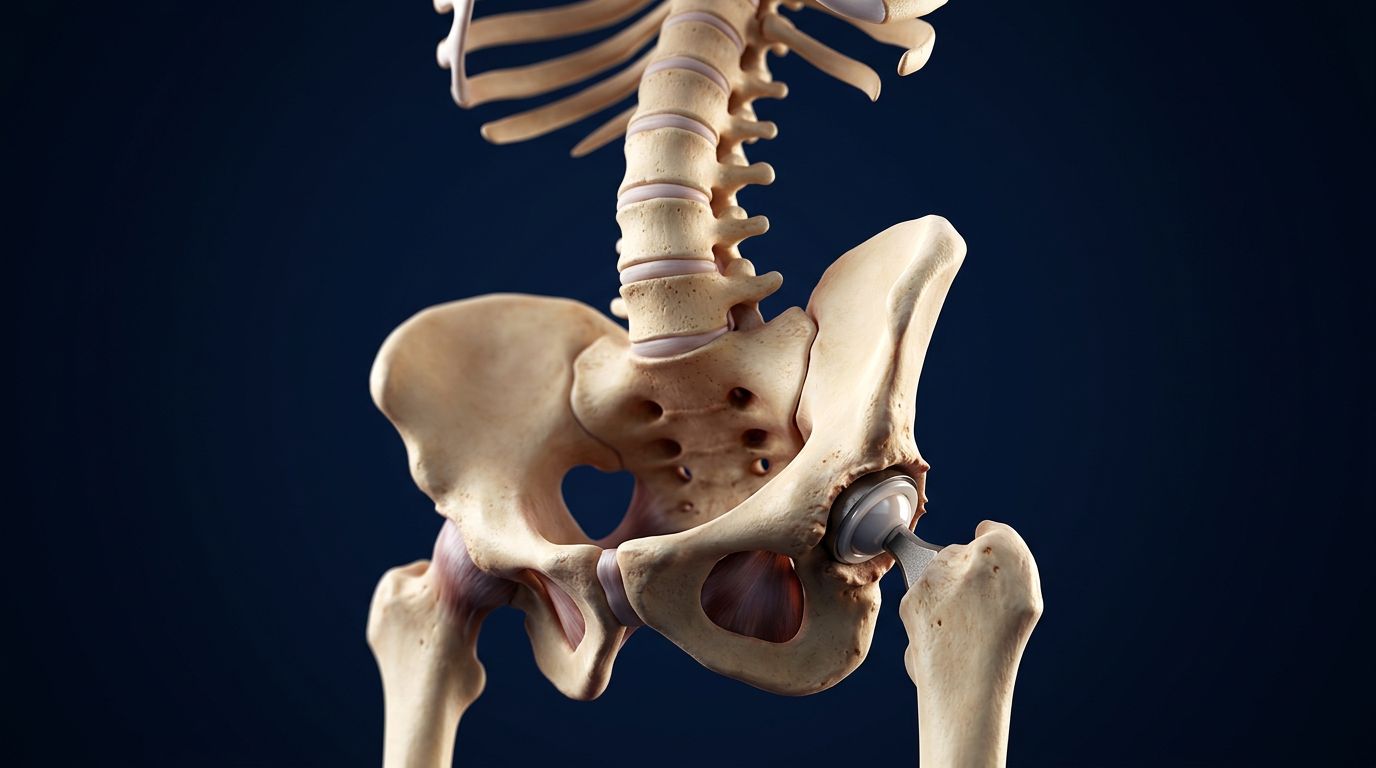
Hip dysplasia occurs when the hip socket doesn't fully cover or support the femoral head. Some people have mild dysplasia that causes few symptoms for years. Others develop cartilage damage, labral problems, arthritis, or leg-length differences earlier in life.
The shape of the joint can affect nearly every part of total hip replacement planning. A shallow socket may provide less bone for the artificial cup. The femur may have a narrow canal or an unusual angle. In some cases, the hip sits higher than the normal center of rotation.
These issues don't automatically rule out SuperPATH. They do require a surgeon to plan carefully and avoid treating dysplasia like routine hip arthritis.
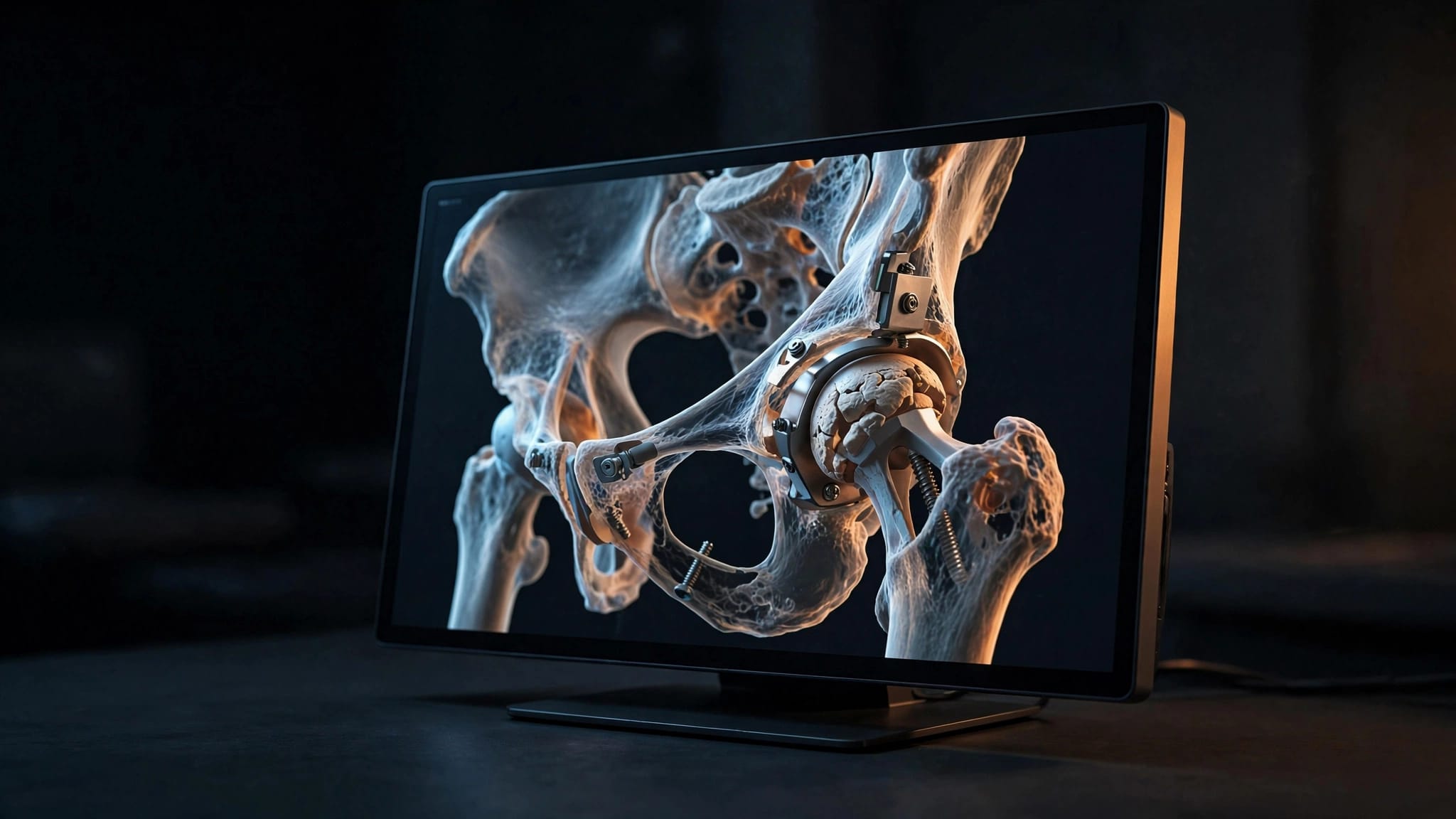
During replacement, the surgeon removes the damaged femoral head and prepares the socket for an implant. The components must fit the available bone, restore hip stability, and support comfortable movement. A surgeon also considers leg length, offset, femoral version, and the relationship between both hips.
Patients who need hip replacement surgery in Fort Myers can discuss how their anatomy affects the surgical plan during a one-on-one consultation.
Socket anatomy and bone coverage
The acetabulum is the socket portion of the hip. With dysplasia, it may be shallow, angled differently, or smaller than expected. The surgeon must determine where the implant can sit while maintaining enough contact with healthy bone.
Cup position matters because poor coverage or an unstable fit can affect fixation. In more advanced dysplasia, the surgeon may need specialized components or a reconstruction plan that differs from a standard replacement.
SuperPATH provides a tissue-sparing route to the hip, but it doesn't change the underlying bone shape. The approach must allow the surgeon to place the implant accurately and respond to the patient's anatomy.
Femur shape, leg length, and past procedures
The femur may have abnormal rotation, a narrow canal, or a different relationship between the femoral head and shaft. These features affect stem selection and the final position of the hip.
Many people with dysplasia also have one leg that appears shorter, pelvic tilt, or long-standing muscle imbalance. Restoring leg length is an important goal, but making both legs exactly equal isn't always safe or possible. Your surgeon may need to balance leg length with stability and bone preservation.
Previous hip surgery adds another layer. Periacetabular osteotomy, childhood procedures, screws, fractures, and scar tissue can change the available bone and the easiest route to the joint. These factors don't always prevent replacement, but they can influence the approach and implant choices.
SuperPATH hip dysplasia surgery: who may be a candidate?
Candidacy depends on the whole patient, not a single X-ray or diagnosis. SuperPATH may be considered when hip dysplasia has caused severe symptoms and the surgeon can safely access the joint and position the implants through that approach.
A patient may be a reasonable candidate when:
- Hip pain limits walking, work, sleep, exercise, or basic daily activities.
- Imaging shows advanced cartilage loss, arthritis, or joint damage that matches the symptoms.
- The socket and femur provide enough anatomy for safe component placement.
- The patient has no active infection and can safely undergo major surgery.
- Medical conditions are controlled well enough for anesthesia and recovery.
- The patient understands that the surgeon may change the approach if the anatomy requires wider access.
Age alone doesn't determine eligibility. Activity level matters, but it doesn't replace a careful assessment of bone shape and joint damage. Some younger patients with dysplasia need replacement, while some older patients remain poor candidates for a specific approach.
Health factors can also affect timing. Uncontrolled diabetes, active smoking, poor bone quality, nerve problems, a previous joint infection, or significant heart and lung disease may increase risk or change the surgical plan. Your orthopedic team may recommend medical optimization before scheduling surgery.
A useful review of who qualifies for SuperPATH surgery can help you prepare for that discussion. Still, online information can't determine whether the approach fits your hip.
When dysplasia may favor another approach
Some people are candidates for total hip replacement but not for SuperPATH. This distinction matters because the safest approach depends on the exposure the surgeon needs.
Severe deformity, major bone loss, unusual femoral anatomy, extensive scar tissue, or revision surgery may require a route that gives the surgeon broader access. A previous osteotomy or hardware can also make the operation more complex.
Choosing another approach doesn't mean you failed to qualify for hip replacement. It means the surgeon is matching the operation to the anatomy in front of them. Comparing SuperPATH versus posterior hip replacement can help you understand why different patients receive different recommendations.
The best plan is the one that allows accurate implant positioning, stable fixation, and appropriate management of the dysplastic hip.
How surgeons plan SuperPATH for a dysplastic hip
Planning starts with your symptoms and physical examination. Your surgeon will assess walking pattern, hip motion, muscle strength, leg length, pelvic position, and pain location. These findings help show how the dysplastic hip affects your daily movement.
Standard imaging often includes an anteroposterior pelvis X-ray and additional hip views. The surgeon may compare both sides and review older images to see how the joint has changed. If the bone shape is difficult to understand, a CT scan may provide a more detailed three-dimensional view.
Implant position and bone preservation
Preoperative templating helps estimate cup size, stem size, hip center, leg length, and offset. With dysplasia, the surgeon must decide how much native acetabular bone can support the cup and whether the femoral component will fit the canal safely.
The plan may include more than one implant option. Dysplastic hips can vary significantly, even when two patients have similar pain. A surgeon may prepare for differences in socket depth, femoral rotation, or bone density.
SuperPATH hip dysplasia planning also includes a decision about exposure. The surgeon must confirm that the tissue-sparing route provides enough access for accurate preparation. If it doesn't, changing to another approach may be the safest choice.
Medical preparation and recovery planning
Your care team will review medications, allergies, prior anesthesia problems, smoking status, blood sugar, heart and lung conditions, and other factors that affect surgery. Some medications may need adjustment before the procedure.
Home planning matters too. Arrange transportation, place frequently used items within easy reach, and ask how long you may need a walker or cane. If you live alone or travel for care, discuss assistance and follow-up before choosing a surgery date.
Ask your surgeon these questions before making a decision:
- How does my dysplasia affect the socket and femur?
- Do my X-rays or CT scan show enough bone for the planned implants?
- Why does SuperPATH fit my anatomy?
- Under what circumstances would you use another approach?
- How will you manage leg-length differences and hip stability?
- What restrictions, therapy, and follow-up should I expect?
Clear answers are more useful than a promise that one approach works for everyone.
What recovery may look like after SuperPATH
Many patients begin standing and walking soon after total hip replacement, often with an assistive device. Your exact schedule depends on bone quality, implant stability, medical health, the complexity of the reconstruction, and your surgeon's protocol.
A tissue-sparing approach doesn't remove the need for rehabilitation. Physical therapy helps restore strength, balance, hip motion, and confidence with walking. You may need to limit certain movements for a period of time, especially if your surgeon has specific precautions for stability.
Dysplasia can affect recovery because muscles may have adapted to an abnormal hip position over many years. Leg-length changes can also require time and therapy as your body adjusts. Temporary soreness, weakness, or an altered walking pattern doesn't necessarily indicate a problem, but new or worsening symptoms should be reported.
Every replacement carries risks, including infection, blood clots, fracture, nerve or blood vessel injury, dislocation, implant loosening, persistent pain, and leg-length differences. Your surgeon should explain which concerns apply to your anatomy and how the team plans to reduce them.
The word "minimally invasive" describes the surgical route, not a guaranteed recovery timeline. Your progress depends on the complete procedure and your health, not the name of the approach alone.
Conclusion
SuperPATH hip dysplasia surgery may be an option when symptoms, bone structure, implant requirements, and overall health align. Dysplasia can make socket placement, femoral preparation, leg-length correction, and surgical exposure more complex, so candidacy requires more than a diagnosis or a preference for a smaller incision.
A careful consultation should cover your imaging, previous procedures, medical risks, recovery plan, and alternatives. The strongest plan is one that puts safe implant positioning and long-term hip function ahead of using a particular technique.
ADDITIONAL ARTICLES