November 16, 2026
Gluteus Medius Tear: When Hip Pain Comes From a Tendon
A gluteus medius tear can cause pain on the outside of your hip, near the bony point you feel beneath the skin. The tendon connects a muscle that helps steady your pelvis when you walk or stand on one leg.
That pain can resemble bursitis or come from another source, so location alone doesn't establish the diagnosis . A careful orthopedic evaluation can help identify which tissues are involved and guide a discussion about treatment.
What the Gluteus Medius Tendon Does
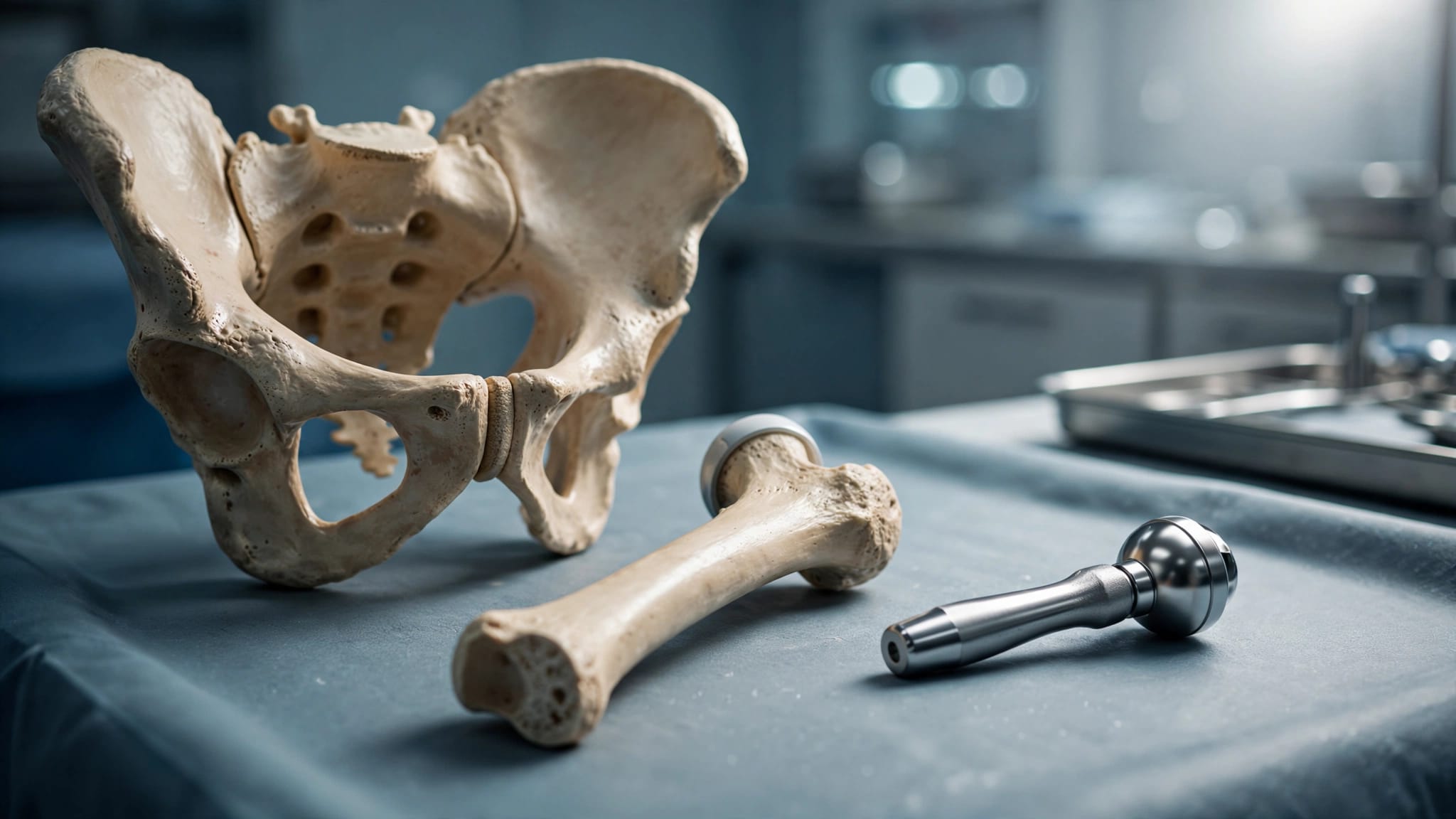
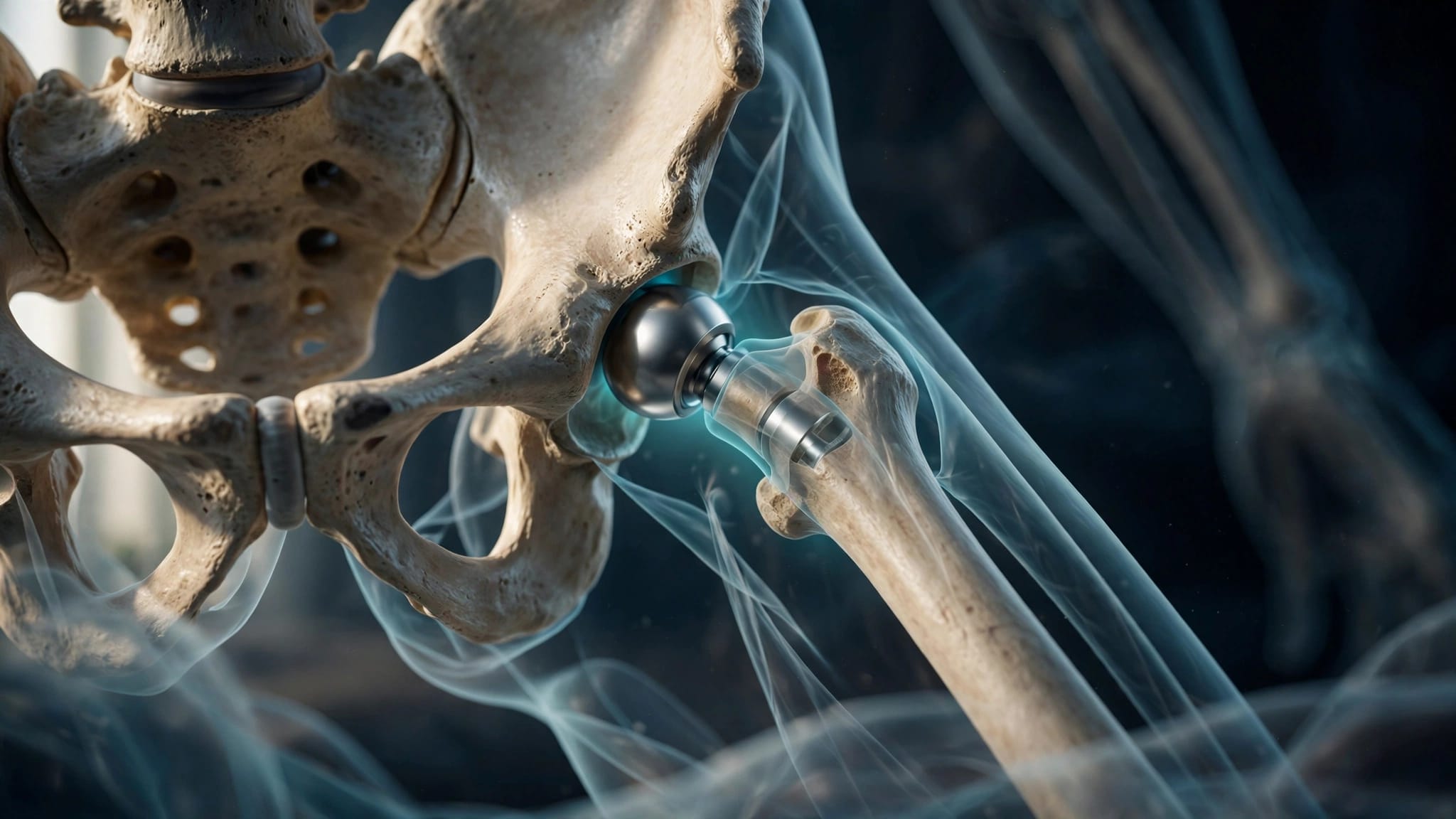
The gluteus medius is a muscle on the outer side of your pelvis. Its tendon attaches to the greater trochanter, the bony prominence at the top of your thighbone. The nearby gluteus minimus has a similar role.
These muscles help move your leg away from your body. They also help keep your pelvis level when one foot is off the ground, as it is during each walking step. The tendon transfers force between the muscle and bone.
A tear involves a separation of tendon fibers. It may involve part of the tendon or extend through its full thickness. The extent and location matter when an orthopedic surgeon reviews the injury alongside your symptoms and examination.
Pain around the greater trochanter can involve several neighboring structures. The tendon, nearby muscle and a fluid-filled sac called a bursa all sit in a relatively small area. Because these tissues are close together, tenderness over the side of the hip doesn't identify a tear on its own.
Symptoms That Can Accompany Outer-Hip Pain
Pain associated with the gluteal tendon area often appears near the bony point on the side of the hip. It can also be felt in the outer thigh or buttock. The pattern offers useful clues, although it doesn't confirm a particular injury.
Pain With Pressure or Activity
Many people notice tenderness when they press on the outer hip. Lying on the painful side can disturb sleep, especially after rolling over at night. Stairs, hills, longer walks and standing for extended periods may also bring on discomfort.
At an appointment, it's useful to describe the activities that affect you most. Pain after a short walk, for example, gives your surgeon different information than discomfort that occurs only when you lie on that side.
Changes in Walking or Strength
You may notice that you favor one leg, shorten your stride or feel less steady when standing on the painful side. A clinician can assess the hip muscles and watch how your pelvis moves during walking.
Pain can make it harder to use a muscle normally, so a weak or uncomfortable movement doesn't establish how much tendon damage is present. The examination helps put that finding in context with your history and, when appropriate, imaging.
Other Conditions That Can Feel Like a Tendon Tear
The term greater trochanteric pain syndrome describes pain around the outer hip. It can involve gluteal tendons, the nearby bursa or more than one structure. You may also hear the area described as hip bursitis.
Hip arthritis often produces a different pattern, with discomfort deeper in the groin and stiffness when rotating the hip. Still, symptoms can overlap. Our discussion of hip arthritis and bursitis symptoms describes some of the differences.
The lower back and sacroiliac joint can also produce pain near the hip. Nerve irritation may cause symptoms farther down the leg, sometimes with tingling, numbness or weakness. Those details can help your clinician decide which areas to examine.
More than one condition can be present at once. For example, an X-ray may show arthritis even when tenderness over the outer hip points to another source of discomfort. Your symptoms and physical examination help determine how much weight to give each finding.
How an Orthopedic Clinician Evaluates Hip Pain
An orthopedic visit starts with your account of the problem. We want to understand where the pain begins, how it affects your daily routine and what makes it better or worse.
Your History and Daily Limitations
Your clinician may ask when you first noticed pain, whether an injury preceded it and whether symptoms have changed. Prior hip surgery, previous imaging and treatments are also useful parts of the history.
Be specific about function. Describe how far you can walk, whether stairs have become difficult and if pain wakes you at night. A medication list and a short record of your symptoms can make it easier to discuss what you've already tried.
The Physical Examination
The examination may include watching you walk and checking for tenderness over the outer hip. Your clinician can assess hip motion, test muscle strength and observe how you stand on each leg.
Hip rotation and movements of the lower back may also be examined. These checks help identify whether symptoms seem to come from the outer hip, the joint itself or another area. Your clinician interprets each finding with the rest of the exam, rather than relying on a single movement.
What X-Rays, MRI and Ultrasound Can Show
X-rays show bones and joint spaces. They can help identify arthritis or other bone changes, but they don't show a gluteal tendon tear directly. A normal X-ray therefore doesn't rule out a soft-tissue source of pain.
MRI can show the gluteal tendons, muscles and fluid around the greater trochanter. It can also reveal other findings that may help explain symptoms when an X-ray doesn't provide a clear answer. Ultrasound is another way to assess soft tissues around the hip.
A scan is one part of the evaluation. Tendon changes on an image need to fit the location of your pain and the findings on your examination. Your surgeon can review the images with you and explain which findings matter for your situation.
Our article on MRI for hip pain explains why an X-ray and an MRI provide different kinds of information. The choice of imaging depends on the question your clinician is trying to answer.
Nonsurgical Treatment Options
Nonsurgical care can include changes to painful activities, physical therapy and medication when appropriate. An injection may also be part of a treatment discussion. The plan depends on the findings of your evaluation and your health history.
Activity Changes and Physical Therapy
Activity changes address movements that repeatedly bring on discomfort. That might mean adjusting walking distance or finding a more comfortable sleeping position while your care plan is taking shape.
Physical therapy can include exercises for the hip and surrounding muscles, along with attention to balance and walking mechanics. Your therapist may adjust movements that cause sharp or increasing pain. The exercises and their progression are tailored to your examination and response.
Medication and Injections
Pain-relieving medicines and anti-inflammatory medicines are options for some patients. They aren't appropriate for everyone, particularly when another health condition or medication affects their safety.
An injection may be used to address pain in the area or, in some cases, to help assess its source. Its purpose and placement depend on the clinical question. An injection doesn't repair a torn tendon, so it's useful to discuss what your surgeon expects it to do.
What Gluteus Medius Tear Surgery Involves
Surgery for a gluteus medius tear focuses on the damaged tendon rather than replacing the hip joint. The procedure and rehabilitation plan depend on the tendon findings and the individual patient's circumstances.
Repairing the Tendon
A surgeon may repair the torn tendon by securing it to its attachment on the thighbone. Some repairs use anchors placed in the bone to hold sutures that secure the tendon. The surgeon plans the repair around the tissue involved.
Your discussion should include what the images show and what the surgeon expects to assess during the procedure. It's also reasonable to ask how the tendon will be protected afterward and what assistance you may need at home.
Open and Endoscopic Approaches
A repair may be performed through an open incision or with an endoscopic approach, which uses a camera and instruments through smaller incisions. The approach is separate from a hip replacement operation.
If you've had previous hip surgery, tell your clinician which procedure you underwent. That history helps frame the examination and imaging. The discussion may also include the condition of the surrounding muscles and any other findings near the tendon.
Recovery Considerations for a Tendon Injury
Recovery planning is about more than pain levels. Your ability to walk, sleep, manage stairs and return to your usual activities all matter. Keep track of changes in those activities so you can describe them at follow-up visits.
Monitoring Function During Treatment
Your care team may ask which movements remain uncomfortable and whether your walking pattern has changed. In therapy, those details help guide the choice and progression of exercises. Report a new movement that causes sharp pain rather than repeatedly testing it.
Different people begin treatment with different levels of strength and mobility. Your plan should reflect your own examination and goals, rather than another person's experience.
Protecting a Surgical Repair
After a tendon repair, your surgeon will provide instructions about walking, activity and rehabilitation. Some patients may need an assistive device or temporary limits on certain movements. The details depend on the repair and the surgeon's plan.
Before surgery, discuss practical needs such as getting around your home and transportation to appointments. Follow-up visits give your surgeon a chance to assess your progress and adjust the plan as needed.
When to Seek an Orthopedic Evaluation
Schedule an evaluation if outer-hip pain persists or interferes with walking, sleep, work or routine activities. An appointment is also useful when pain returns despite treatment or you notice a change in your gait.
Seek prompt medical care after a fall or injury if you can't bear weight, have severe pain, or notice that the leg looks shortened or turned outward. A hot, red, swollen hip with fever also needs urgent evaluation. New weakness, significant numbness or rapidly worsening pain should not wait for a routine visit.
Bring any prior imaging and a list of treatments to your appointment. Knowing what has changed over time can help your clinician decide what needs further assessment.
Finding the Source of Your Hip Pain
A gluteus medius tendon injury is one possible source of pain on the outside of the hip. An examination and the right imaging can help distinguish tendon findings from other conditions that affect the same area.
If pain is limiting your daily life, an orthopedic assessment is a practical next step. At our Fort Myers practice, we can discuss your symptoms and help you understand the findings and treatment options.
ADDITIONAL ARTICLES