July 22, 2026
SuperPATH hip replacement for Avascular Necrosis
Avascular necrosis can damage the hip silently until bone collapse causes severe pain and stiffness. For some patients with advanced disease, SuperPATH hip replacement offers a tissue-sparing approach to replacing the damaged joint.
The right treatment depends on the stage of bone death, the shape of the femoral head, your overall health, and your surgeon's experience. Early treatment may preserve the natural hip, while a collapsed joint often requires replacement. Understanding these options can help you have a more productive conversation with an orthopedic surgeon.
Key Takeaways
- Avascular necrosis cuts off blood flow to bone, often affecting the femoral head.
- MRI can detect early disease before major changes appear on an X-ray.
- Joint-preserving procedures may help before the femoral head collapses.
- Total hip replacement is often considered after collapse or severe joint damage.
- SuperPATH is a surgical approach, not a specific implant, and it may suit selected patients.
What avascular necrosis does to the hip
Avascular necrosis, also called osteonecrosis, occurs when reduced blood flow causes bone tissue to die. In the hip, it most often affects the rounded top of the thigh bone, called the femoral head. This area needs a healthy blood supply to maintain its strength.
At first, the condition may cause little discomfort. Some people notice aching in the groin, buttock, or thigh after activity. Others develop pain while resting or sleeping. As the disease progresses, the weakened bone can develop small cracks and eventually collapse.
Once the femoral head loses its smooth shape, it no longer moves normally inside the hip socket. The damaged surface can then wear away cartilage and cause arthritis. Walking, putting on shoes, climbing stairs, and getting in or out of a car may become increasingly difficult.
Several factors can increase the risk of avascular necrosis. These include long-term or high-dose corticosteroid use, heavy alcohol use, hip trauma, sickle cell disease, lupus, organ transplantation, and certain blood or clotting disorders. Some patients have no clear cause.
A physical examination helps identify limited motion, weakness, or pain with specific movements. X-rays can show later-stage changes, but an MRI may reveal avascular necrosis earlier. Early diagnosis matters because treatment choices often change after the femoral head collapses.
Treatment choices before hip collapse
Treatment for early avascular necrosis focuses on reducing stress on the joint and protecting the remaining bone. Your surgeon may recommend limited weight-bearing, activity changes, physical therapy, or medication for pain and inflammation. These steps can help manage symptoms, but they don't reliably restore damaged bone or stop progression in every patient.
Core decompression is one joint-preserving option. During this procedure, the surgeon creates channels in the affected bone to reduce pressure and encourage new blood vessel growth. Some surgeons combine decompression with bone grafting or biologic materials. The best choice depends on the size and location of the lesion.
Avascular necrosis that affects a small portion of the femoral head may respond differently than a large lesion near the weight-bearing surface. Your age, activity needs, medical conditions, and the condition of the opposite hip also matter.
Other procedures, such as bone grafting with a blood supply or an osteotomy, may be appropriate in selected cases. They require careful patient selection and may involve a longer recovery than simpler treatments.
A hip-preserving procedure has the best chance of helping before the femoral head collapses. Once the joint surface has flattened, replacement becomes more likely.
Regular follow-up is important even when symptoms improve. Pain alone doesn't show whether the bone is healing. Repeat imaging gives your orthopedic surgeon a clearer view of the disease.
How SuperPATH hip replacement may fit AVN treatment
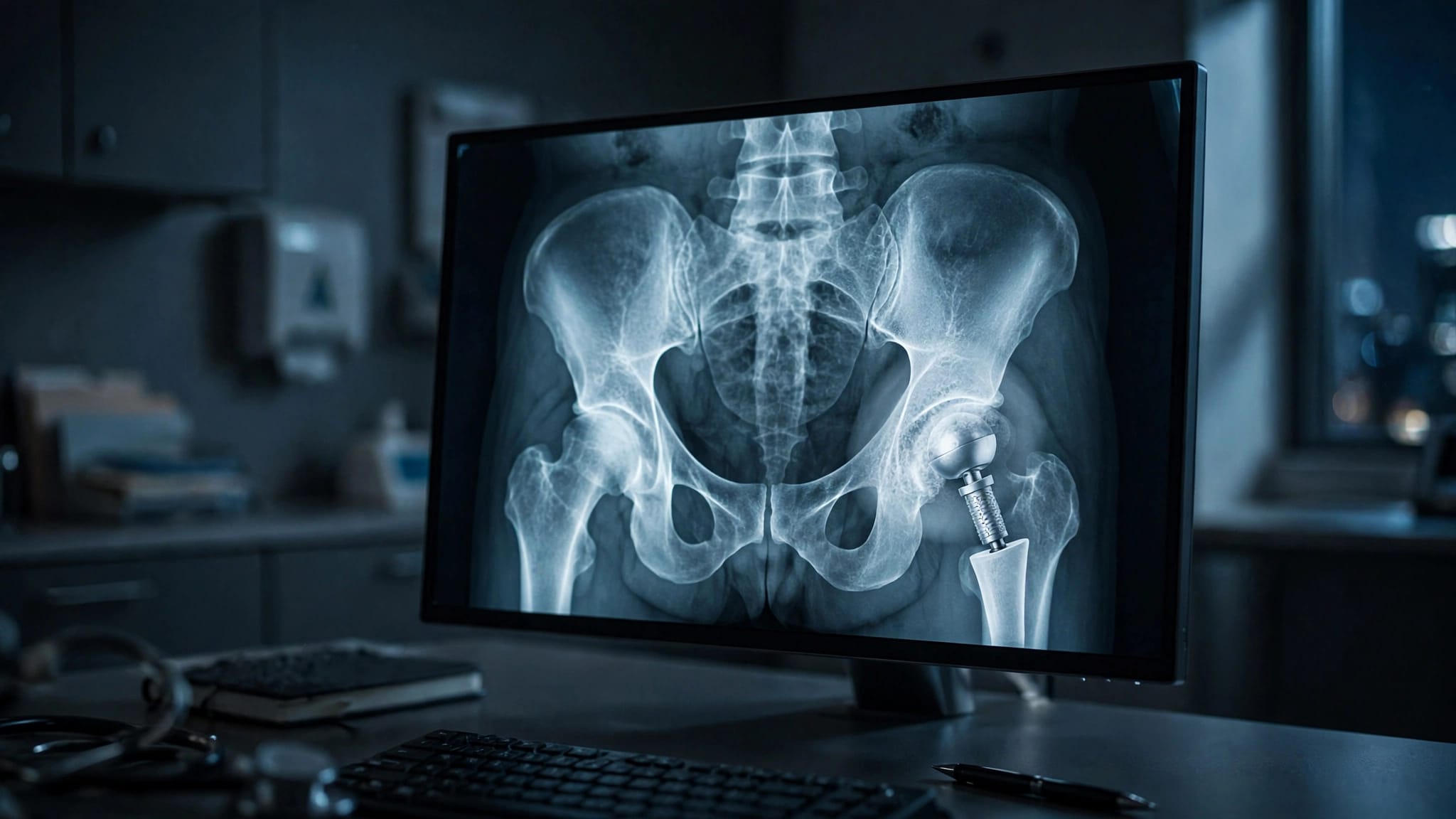
When avascular necrosis causes femoral head collapse, advanced arthritis, or persistent disability, total hip replacement may provide a more suitable solution than trying to preserve the damaged bone. The surgeon removes the affected femoral head and replaces the joint surfaces with artificial components.
SuperPATH hip replacement is a tissue-sparing surgical approach used for some total hip replacements. Instead of treating the approach as a separate type of implant, consider it a method for reaching the hip joint. The implant choice still depends on your anatomy, bone quality, age, activity level, and surgeon's assessment.
SuperPATH is designed to access the hip through a natural interval between muscles. The technique can limit disruption to certain surrounding tissues, although the exact procedure varies between patients and surgeons. A smaller incision alone doesn't determine the quality of a hip replacement. Component positioning, implant selection, infection prevention, anesthesia planning, and postoperative care all affect the overall experience.
Patients with AVN may have unusual bone changes or weaker bone in the femoral head. The surgeon must examine the socket, femur, and remaining bone before deciding whether this approach is appropriate. Previous hip surgery, fractures, severe deformity, obesity, muscle conditions, and other medical factors may also affect the recommendation.
A surgeon may use X-rays, MRI findings, and digital planning to evaluate the joint. The goal is to choose an approach that provides safe access and accurate implant placement for your specific anatomy.
Patients considering this procedure can review hip replacement surgery in Fort Myers to learn how an orthopedic practice evaluates damaged hip joints and replacement options.
SuperPATH compared with other hip replacement approaches
Orthopedic surgeons may use several approaches for total hip replacement. The anterior approach reaches the hip from the front. The posterior approach reaches it from the back. SuperPATH uses a superior, or upper, path to access the joint.
Each approach has potential advantages and limitations. The best option isn't determined by a single incision location. It depends on the surgeon's training, how often they perform the technique, your anatomy, the condition of your muscles and bone, and the complexity of the operation.
SuperPATH may be considered when the surgeon believes a tissue-sparing access route fits the patient's needs. However, it isn't automatically better for every person with AVN. A hip with major collapse, prior hardware, severe deformity, or complex anatomy may require a different approach.
Ask your surgeon how the recommended technique affects:
- Implant positioning and stability
- Management of weak or deformed bone
- Weight-bearing after surgery
- Restrictions on bending or leg movement
- Physical therapy and home support
- The plan if the operation becomes more complex
The surgeon should also explain which implant components they plan to use and why. Common total hip replacements include a metal or ceramic femoral head that moves inside a durable liner placed in the socket. The final combination depends on your joint, bone quality, and medical history.
If you want to know whether you may qualify, review information about candidates for SuperPATH hip replacement. Candidacy requires an in-person evaluation, not pain level or age alone.
Preparing for surgery and recovery
Before replacement, your orthopedic team may request blood tests, imaging, medication adjustments, and medical clearance. Tell the team about corticosteroid use, blood thinners, diabetes, smoking, allergies, and previous infections. These details can affect surgical planning and wound care.
Home preparation can make the first days easier. Remove loose rugs, arrange a stable chair, keep frequently used items within reach, and plan for help with meals and transportation. Your surgeon will tell you when you can bear weight and which movements to avoid.
Recovery differs among patients. Some people walk with an assistive device soon after surgery, while others need more support. Pain, swelling, sleep, muscle strength, and balance can change at different rates. Physical therapy usually focuses on safe movement, walking mechanics, and gradual strengthening.
SuperPATH may reduce disruption to certain tissues, but it doesn't eliminate the need for healing. Follow your surgeon's instructions about wound care, activity, medication, and follow-up visits. Contact the medical team promptly for increasing redness, drainage, fever, calf swelling, chest pain, sudden shortness of breath, or a new inability to bear weight.
A SuperPATH hip replacement recovery timeline can help you understand common recovery milestones, but your own schedule may differ. A patient with advanced AVN, weak bone, or other health conditions may need a different plan.
Choosing an orthopedic surgeon for AVN
Avascular necrosis can require decisions at more than one stage. Choose a surgeon who can discuss joint-preserving care as well as replacement if the disease progresses. That gives you a treatment plan based on the condition of your hip, rather than on one procedure alone.
During a consultation, ask how the surgeon stages AVN, what the MRI shows, and whether the femoral head has collapsed. Ask how often they perform SuperPATH and how they manage cases with poor bone quality or unusual anatomy.
You should also understand the expected risks. Hip replacement can involve infection, blood clots, fracture, dislocation, leg-length differences, nerve injury, persistent pain, implant wear, or the need for additional surgery. Your personal risk may differ based on your health and the complexity of the procedure.
A clear consultation should leave you knowing why replacement is recommended, what alternatives remain, and what recovery support you will need. You can then weigh the benefits and risks with realistic expectations.
Conclusion
Avascular necrosis doesn't always require immediate hip replacement. Early diagnosis may leave room for procedures that preserve the natural joint, but collapse of the femoral head often changes the treatment plan.
For selected patients, SuperPATH hip replacement may provide a tissue-sparing route for total hip replacement. The approach must match your anatomy, bone condition, health history, and surgeon's training. General educational information can't replace individualized medical advice from a qualified orthopedic surgeon.
ADDITIONAL ARTICLES