November 27, 2026
Femoroacetabular Impingement: Choosing Adult Treatment
Treatment for femoroacetabular impingement (FAI) depends on your symptoms, examination, imaging, activity needs, and the condition of your hip cartilage. A bone-shape finding alone doesn't mean you need surgery, and many adults begin with nonsurgical care.
The most important distinction is whether the hip has a treatable mechanical problem, substantial arthritis, or another source of pain. We consider the whole joint and your daily needs when discussing treatment. That starts with understanding which findings explain your symptoms.
Key Takeaways
- Hip shape matters most when it matches your symptoms and examination, because similar imaging findings can appear in people without pain.
- Activity changes and physical therapy can address irritation, weakness, and movement patterns, although they don't change the underlying bone shape.
- Persistent limitations may lead to a surgical discussion, but cartilage health helps determine whether joint preservation or replacement belongs in that conversation.
What Femoroacetabular Impingement Means
FAI involves contact between the upper thighbone and the hip socket during movement. Certain bone shapes can contribute to that contact, particularly when you bend or rotate the hip.
A cam shape involves extra bone or reduced roundness near the junction of the femoral head and neck. A pincer shape involves excess coverage by the socket. Some hips have features of both.
However, these shapes don't automatically cause symptoms. Clinicians distinguish a shape visible on imaging from FAI syndrome, which involves a matching combination of symptoms, examination findings, and imaging.
Repeated contact can affect the labrum, the ring of tissue around the socket, and the cartilage covering the joint surfaces. Because those tissues have different roles, identifying a labral tear doesn't answer every treatment question. The amount and location of cartilage damage also matter.
How Symptoms and Examination Guide Treatment
Daily limitations help define the problem
Groin pain during squatting, pivoting, or prolonged sitting can fit hip impingement. Some people also describe catching, stiffness, or difficulty getting into a car. However, none of these symptoms proves FAI by itself.
Your surgeon considers when pain began, which movements trigger it, and whether it interrupts sleep or ordinary activities. A painful click carries different information than painless clicking that has been present for years.
Your goals also belong in this discussion. Comfortable walking, a physically demanding job, and competitive sport place different demands on the hip. Treatment should address the activities that matter to you rather than an imaging report alone.
Examination looks beyond the painful spot
The examination assesses hip motion, strength, walking pattern, and pain during specific movements. Bending and rotating the hip may reproduce symptoms, but a positive maneuver doesn't establish the diagnosis on its own.
The lower back, sacroiliac joint, tendons, and surrounding muscles can also produce pain around the hip. Therefore, an orthopedic evaluation considers these possibilities rather than assuming every ache comes from impingement.
This matters when symptoms and imaging don't line up. Treating a visible bone shape won't address pain that primarily comes from somewhere else.
What Imaging Adds to the Decision
X-rays show bone shape and arthritis
X-rays are usually the starting point for persistent hip pain. They help assess the shape of the femur and socket, joint-space narrowing, bone spurs, and other signs of arthritis.
Joint space provides an indirect picture of cartilage thickness. Substantial narrowing changes the treatment discussion because reshaping bone cannot replace cartilage that has worn away.
Still, images don't measure how much a condition affects your life. A person with visible arthritis may function comfortably, while another person needs further assessment because symptoms remain substantial despite less obvious X-ray changes.
MRI and injections answer different questions
MRI can provide information about the labrum, cartilage, tendons, and other tissues that X-rays don't show well. In selected situations, MR arthrography uses contrast injected into the joint to provide additional detail.
A labral abnormality on MRI doesn't prove that the labrum causes your pain. Your surgeon compares the finding with your symptoms and examination.
An injection containing local anesthetic may help clarify whether pain originates inside the joint. Temporary relief provides another clue, but the response must fit the rest of the evaluation. An injection doesn't repair a tear or reverse arthritis.
The useful question is whether an additional test will clarify the diagnosis or change the treatment discussion.
How Nonsurgical Care Fits Your Activity Goals
Nonsurgical treatment addresses symptoms and function without changing the underlying bone shape. At Ameglio Orthopedics, we emphasize these options when possible and consider whether they improve the activities important to you.
Activity modification reduces repeated irritation
Activity modification means adjusting movements that repeatedly provoke symptoms while maintaining tolerable activity. Deep squatting, repeated pivoting, or prolonged positions with the hip sharply bent may need attention.
The adjustment depends on the trigger. Exercise depth, sitting position, workload, or the length of an activity session may influence discomfort. Even a lower-impact activity can irritate the hip if its position reproduces pinching.
Complete inactivity can add weakness and reduce conditioning. Therefore, the discussion focuses on finding workable movement rather than stopping every activity you enjoy.
Physical therapy addresses strength and movement
Physical therapy can target hip and trunk strength, balance, and movement patterns. A therapist also considers how you walk, climb stairs, sit, and perform work or exercise tasks.
Exercises should respect the hip's available motion. Forcing a painful restriction doesn't remove a bony block and may increase irritation.
Medication or an injection may also be part of symptom management, depending on your health and other prescriptions. These approaches don't reshape bone or rebuild severely worn cartilage.
Reassessment matters throughout nonsurgical care. Progress means a meaningful change in function, such as more comfortable sitting or walking, rather than simply completing appointments. If those goals remain out of reach, the diagnosis and treatment plan deserve another look.
When the Discussion Turns to Surgery
Persistent symptoms need a clear explanation
Surgery may enter the conversation when pain and activity limitations continue despite appropriate nonsurgical care. However, persistent pain alone doesn't establish which operation, if any, addresses the problem.
The surgeon looks for agreement among your symptoms, examination, and imaging. The discussion also considers whether weakness, back pain, tendon problems, or another condition contributes to your limitations.
Hip arthroscopy uses a camera and instruments through small incisions. It can address impinging bone and selected labral problems while preserving the natural joint. The proposed procedure should connect directly to the problem identified during your evaluation.
Cartilage health changes the options
The condition of the joint surfaces is a major dividing point. A labral tear with relatively preserved cartilage presents a different situation than a tear alongside advanced arthritis.
Our explanation of labral tears and hip arthritis describes why these conditions can overlap. A tear may be present without being the main cause of pain.
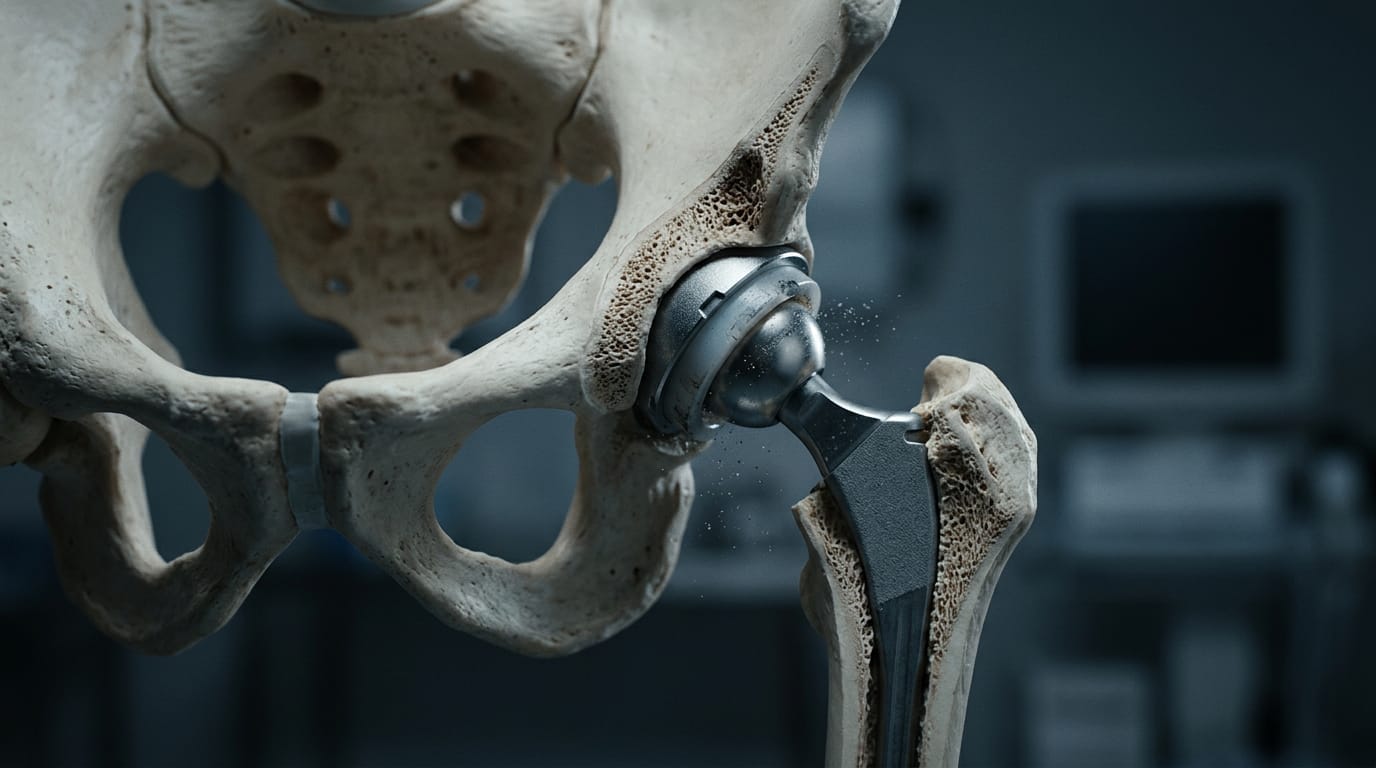
Arthroscopy cannot restore a joint with substantial bone-on-bone cartilage loss. When advanced arthritis drives pain and loss of function, the discussion may shift toward hip replacement rather than a joint-preserving procedure.
That distinction also explains why the same MRI phrase can lead to different treatment conversations for different people.
What Shapes Expectations and Recovery Planning
The entire hip influences the outlook
Expected benefit depends on more than whether the surgeon can correct a visible abnormality. Cartilage condition, hip anatomy, symptom duration, and other pain sources all affect the discussion.
Strength, stiffness, and established movement patterns matter too. Correcting a structural problem doesn't automatically resolve every source of discomfort around the hip.
Previous surgery adds information rather than deciding the next step by itself. Earlier operative reports, imaging, and details of any labral or cartilage treatment can help explain the condition of the joint.
Recovery needs to fit your circumstances
Recovery planning considers the procedure, your health, baseline strength, and rehabilitation needs. A small incision doesn't describe the amount of healing required inside the joint.
The demands of your job also matter. Desk work differs from work involving lifting, climbing, or prolonged standing. Similarly, returning to ordinary walking and returning to a pivoting sport require different discussions.
Support at home, transportation, and access to rehabilitation belong in the decision before surgery. These practical details help make the treatment plan realistic. Expectations should focus on your own condition and goals rather than another person's recovery experience.
Frequently Asked Questions
Does an impingement finding mean I need surgery?
No. Bone shapes associated with FAI can appear in people without symptoms. Treatment decisions depend on whether the finding matches your pain, examination, and functional limitations. An incidental imaging finding doesn't establish a need for an operation.
Can physical therapy correct the bone shape?
Physical therapy doesn't reshape the femur or socket. It addresses strength, movement control, and activities that irritate the hip. Those factors can contribute to symptoms, which is why nonsurgical care remains relevant even when imaging shows a structural difference.
Does ongoing pain after arthroscopy mean replacement is next?
Not automatically. Pain can come from arthritis, the original joint problem, stiffness, weakness, or tissues outside the joint. A new evaluation helps distinguish these possibilities. Replacement becomes part of the discussion when the condition of the joint and its effect on daily life support it.
What should I bring to an orthopedic consultation?
Bring available imaging, prior operative reports, and a description of treatments you've tried. Explain which activities remain difficult and what you hope to regain. That information helps connect the medical findings with the decisions you face.
Choosing Care Around Your Hip and Your Goals
The treatment decision for femoroacetabular impingement rests on matching the diagnosis to the whole joint . Symptoms and examination identify the problem; imaging helps explain its structure and extent.
Nonsurgical care, joint-preserving surgery, and hip replacement address different situations. An orthopedic consultation should make those distinctions clear and connect each option to your cartilage health, daily limitations, and goals.
ADDITIONAL ARTICLES