June 8, 2026

Cemented vs Cementless Hip Replacement: Key Differences

A hip replacement can change how you walk, sleep, and move through the day. But the implant itself has to fit your body in the right way, and that choice matters.

The biggest question for many patients is cemented vs cementless hip replacement . Both can relieve pain and restore function, yet they hold the implant in different ways. The right choice depends on your bone quality, your age, your activity level, and your surgeon's judgment.

How each implant stays in place

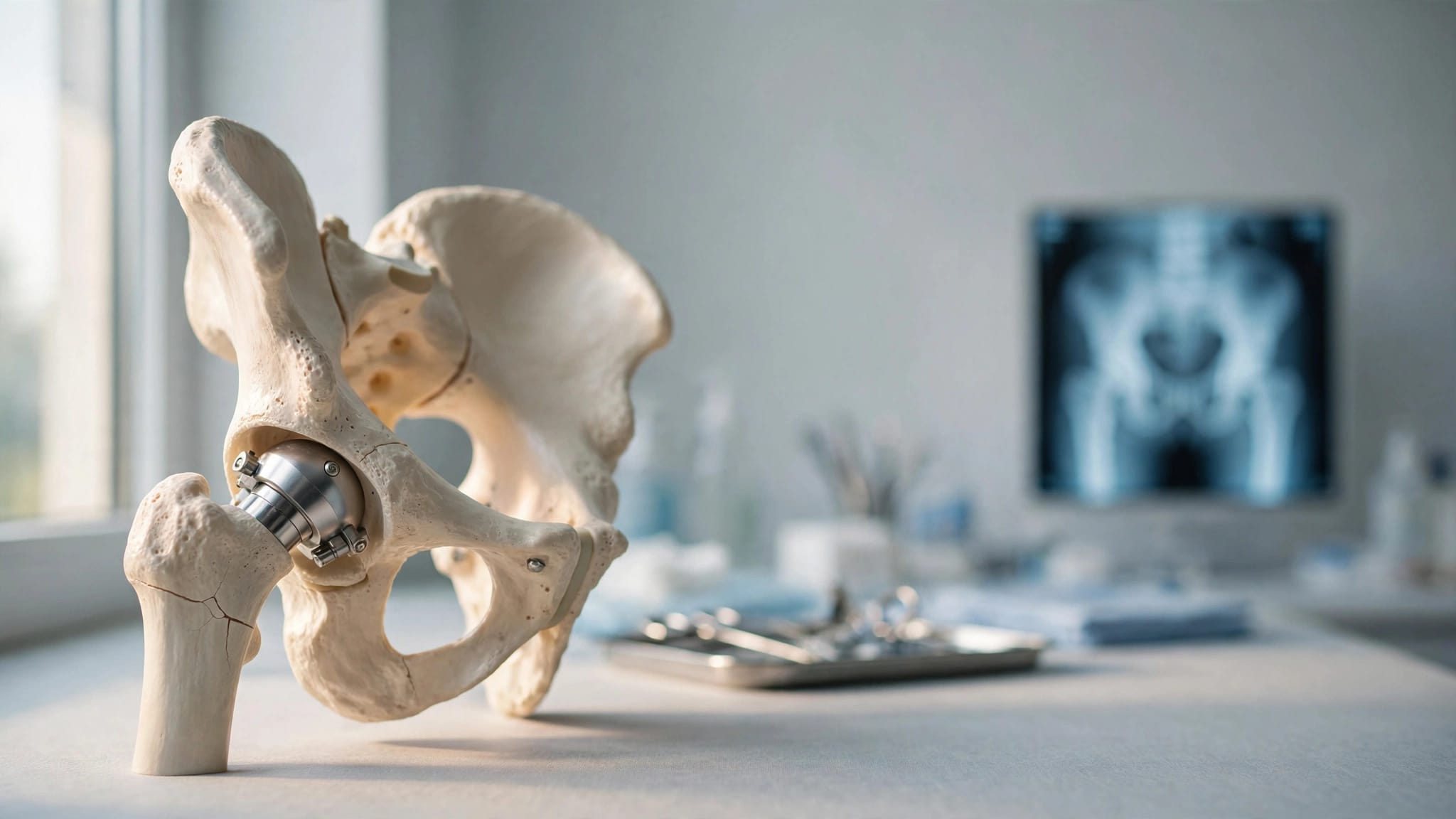
A cemented hip replacement uses bone cement to lock the implant into place during surgery. The surgeon fills the space between the metal stem and the bone, and the cement hardens quickly. That gives the implant immediate stability.

A cementless hip replacement does not rely on cement for long-term hold. Instead, the implant has a surface that allows bone to grow onto it over time. The surgeon presses the implant snugly into the bone, and the bone gradually becomes part of the fixation.

Some patients have a mix of both methods. A surgeon may cement one part and use a press-fit design for another. Because of that, it helps to ask which part of the implant is cemented and why.

The main difference is simple. Cemented fixation gets its hold right away. Cementless fixation depends on your bone growing onto the implant after surgery.

Who is usually a better fit for each option

Bone quality often drives the decision. Strong, healthy bone gives a cementless implant a better chance to lock in place. Weaker bone may need the added support of cement.

In general, surgeons think about:

  • Younger, active patients often do well with cementless implants because their bone can grow onto the implant.
  • Older adults may benefit from cemented fixation, especially if the bone is thin or fragile.
  • People with osteoporosis may need cemented fixation for a more dependable initial hold.

Age matters, but it does not decide everything. A healthy 75-year-old with good bone may be a strong candidate for cementless fixation. A 55-year-old with poor bone density may need cemented support.

Activity level also matters. If you want to return to regular walking, golf, or light exercise, your surgeon will look at how much stress the implant will face. Higher activity does not automatically mean cementless, but it often pushes the conversation in that direction.

Older adults can still have excellent results with modern hip replacement. This is where surgeon experience matters, especially for patients with more complex bone health or mobility needs. Some older patients do very well after SuperPATH hip replacement for older adults when the plan matches their anatomy and health.

Bone quality often matters more than age alone.

Recovery, walking, and the first few weeks

Recovery after cemented and cementless hip replacement can feel similar at first. Most patients still need physical therapy, pain control, and help getting up safely. The details depend on your overall health and the surgical approach.

Cemented implants have immediate fixation, so some surgeons feel comfortable with quicker weight bearing in the early period. Cementless implants also allow early walking in many cases, but the bone needs time to bond with the implant. That means the surgeon may give more specific limits, especially if the bone is weak.

You may hear different advice about stairs, walking aids, and activity limits. That is normal. The best plan is the one matched to your x-rays, your strength, and your healing risk.

If you are also trying to picture the early hospital phase, this expected hospital stay after SuperPATH hip surgery can help you understand how quickly many patients move after surgery.

Recovery is not only about the implant. It also depends on swelling, balance, muscle strength, and how well you follow home instructions. A clear plan before surgery makes the first few weeks less stressful.

Risks and long-term results

Both options share the same major hip replacement risks, including infection, blood clots, dislocation, and nerve injury. The fixation method changes some details, but it does not remove those general risks.

Cemented fixation can be a strong choice when bone is weak. Still, cement can loosen over time, especially after many years. That does not mean failure is common, but long-term wear is part of the discussion.

Cementless fixation has a different set of concerns. The implant must bond well with the bone, so early stability matters. If the bone does not grow onto the implant as expected, the implant can become loose. Some patients also notice more thigh soreness early on.

Long-term results are good with both methods. Many cementless implants do well for active patients with solid bone. Many cemented implants do well for older adults and people with lower bone density. The best outcome is the one that fits the patient, not the trend.

How surgeons decide which one to use

A surgeon does not choose based on one factor alone. X-rays, bone density, past fractures, medications, body shape, and activity goals all matter.

The surgical approach can also shape the plan. A minimally invasive technique may help some patients recover faster, but it does not replace the need for good fixation. The implant still has to match the bone.

Before surgery, it helps to ask clear questions:

  • Is my bone better suited for cemented or cementless fixation?
  • Will I be allowed to bear weight right away?
  • Does my age or bone density change the plan?
  • What does recovery look like for my type of implant?

Those questions help you understand the recommendation instead of guessing at it. They also make it easier to compare options with confidence.

Conclusion

The difference between cemented and cementless hip replacement comes down to how the implant gets its hold. Cemented fixation gives immediate stability, while cementless fixation depends on bone growth over time.

Neither choice is right for everyone. The best option depends on your anatomy, bone health, age, activity level, and your surgeon's recommendation.

If you're weighing your options, focus on the fit between the implant and your body. That choice matters more than the label on the implant.


ADDITIONAL ARTICLES

By Ameglio Orthopedics June 7, 2026
The first question many patients ask after a SuperPATH hip replacement is simple: when can I get back to work? The honest answer is that it depends on how you heal, how well your pain is controlled, how steady you feel on your feet, and what your job requires. Some people are...
By Ameglio Orthopedics June 6, 2026
A walker after SuperPATH hip replacement is often temporary, but the timing matters more than the calendar. Many patients move quickly after surgery, yet walking too soon without support can set recovery back. If your hospital stay was short, the walker can feel like it should...
By Ameglio Orthopedics June 5, 2026
Bruising after SuperPATH hip replacement can look worse than it feels. A small incision can hide a lot of deeper tissue work, and blood under the skin often spreads more than patients expect. That can be unsettling when you first see purple, blue, or yellow patches on your thi...