July 17, 2026
Alcohol After SuperPATH Surgery: Ask Your Surgeon
Alcohol after SuperPATH surgery can raise questions, especially when you start feeling better but still take medication or use a cane. A drink may seem harmless, yet alcohol can affect balance, sleep, hydration, bleeding risk, and how your body handles pain medicine.
There isn't one safe return date for every patient. Your age, health history, medications, mobility, incision, and drinking habits all matter. This article offers general education, not individualized medical advice. Your operating surgeon and care team should give you the final answer.
Key Takeaways
- Ask your surgeon about alcohol with every prescription, over-the-counter medicine, and supplement.
- Don't drink while using opioids, sedatives, sleep medicine, or other medications that cause drowsiness.
- Your ability to walk safely, stay hydrated, eat normally, and manage pain matters more than a calendar date.
- Alcohol may need to wait longer if you have bleeding risks, liver disease, sleep apnea, dizziness, or a history of heavy drinking.
- Follow your surgeon's instructions even if your SuperPATH recovery feels easier than expected.
Why Alcohol After SuperPATH Surgery Requires a Personal Answer
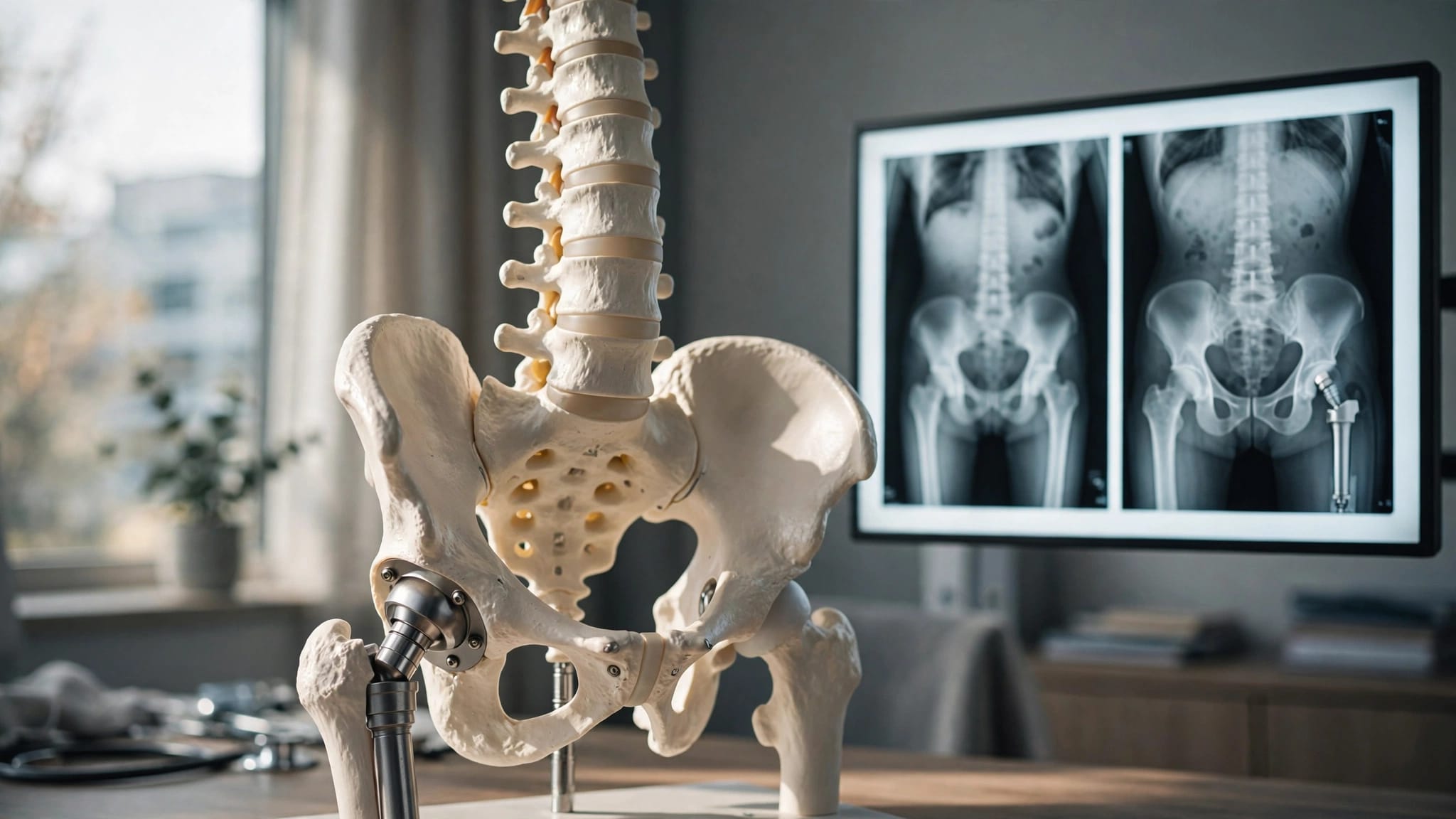
SuperPATH hip replacement uses a muscle-sparing surgical approach, but your body still needs time to recover from anesthesia, tissue disruption, and the placement of the implant. A smaller incision or quicker early mobility doesn't remove the need for careful post-operative monitoring.
Patients recover at different rates. Someone who walks steadily, sleeps well, eats normally, and needs little or no prescription pain medicine may have a different plan from someone with dizziness, swelling, nausea, or limited mobility. Diabetes, liver or kidney disease, sleep apnea, a history of falls, and previous bleeding problems can also change the recommendation.
Alcohol can make recovery harder in several ways. It may worsen unsteadiness when you're using a walker or cane. It can contribute to dehydration, disturb sleep, and make it easier to forget medication instructions or physical therapy exercises. If you vomit after drinking, you could also place extra strain on healing muscles and your hip.
The best question isn't only, "When can I drink again?" Ask what conditions your surgeon wants you to meet first. Those conditions may include walking safely, having a stable medication plan, tolerating food and fluids, and showing no signs of a wound problem.
Your surgeon may also give different guidance based on the type and amount of alcohol you usually drink. A small serving with a meal isn't the same as several drinks on an empty stomach. Ask for clear instructions rather than relying on general advice from friends or online forums.
For a broader picture of mobility, driving, and other recovery milestones, review this SuperPATH recovery timeline alongside the instructions from your own care team.
Ask How Alcohol Interacts With Your Medications
Medication interactions are often the main reason surgeons recommend avoiding alcohol after hip replacement. Alcohol can add to the sedating effects of several medicines. The combination may cause excessive sleepiness, confusion, poor coordination, slowed breathing, or a fall.
Opioid pain medicines deserve particular attention. Drugs such as oxycodone, hydrocodone, and tramadol can impair alertness. Alcohol can intensify those effects, even if you think you took only a small amount. Never assume that feeling awake means the combination is safe.
Ask your surgeon or pharmacist about other medicines that can cause problems, including:
- Muscle relaxants prescribed for spasms
- Sleep medicines and anti-anxiety drugs
- Gabapentin or similar nerve-pain medicines
- Prescription-strength antihistamines
- Certain anti-nausea medications
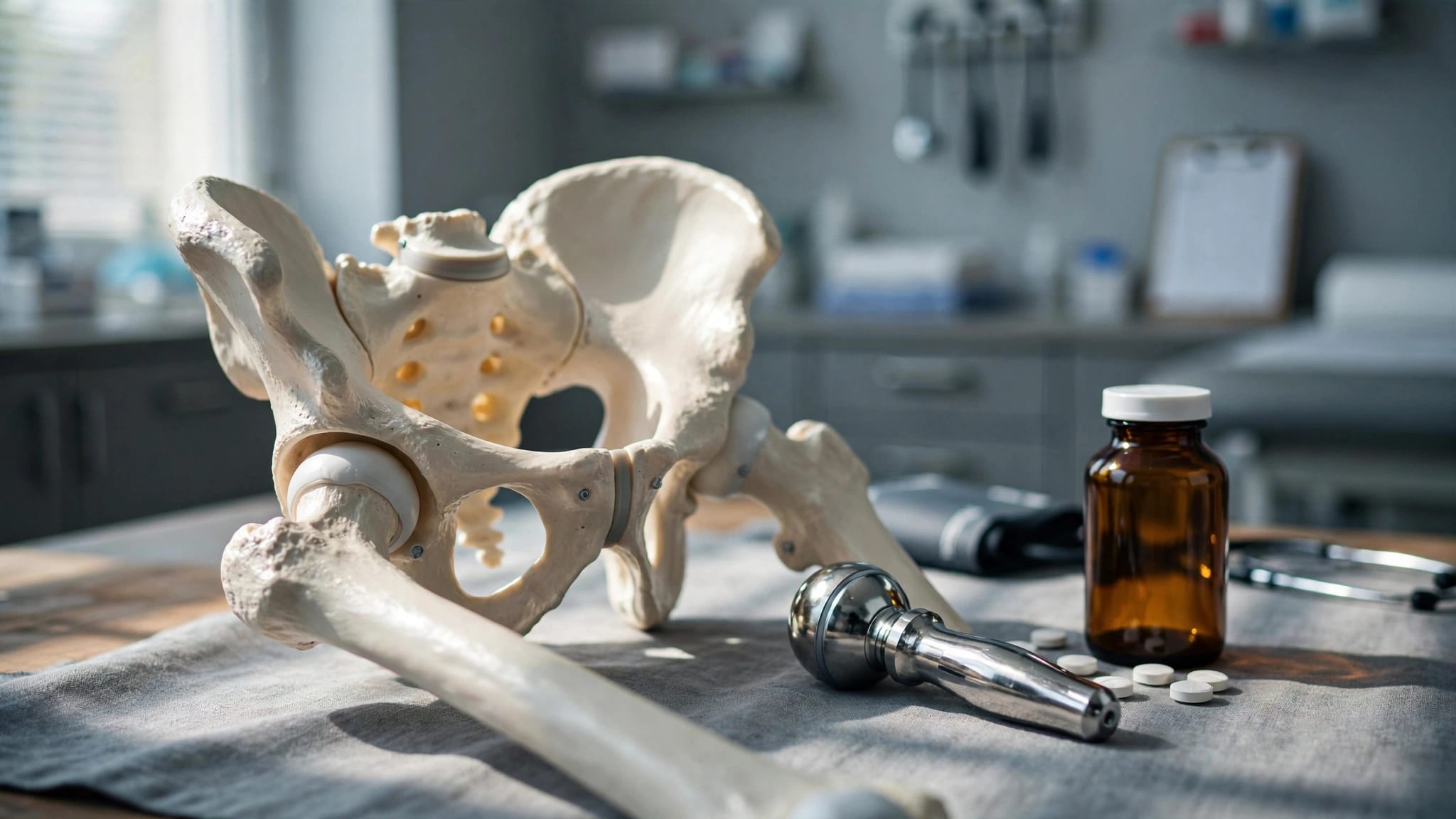
Your surgeon may also prescribe acetaminophen, sometimes called paracetamol, as part of your pain plan. Alcohol and acetaminophen can both affect the liver. The risk depends on your dose, drinking pattern, liver health, nutrition, and other medicines. Ask whether your pain plan contains acetaminophen and whether alcohol is appropriate with it.
Nonsteroidal anti-inflammatory drugs, such as ibuprofen or naproxen, can irritate the stomach and may increase bleeding concerns in some patients. Alcohol can add to stomach irritation. If you're taking aspirin, apixaban, rivaroxaban, warfarin, or another blood-thinning medicine, ask how alcohol may affect your bleeding risk and medication schedule.
Don't stop a blood thinner or change a pain prescription so you can drink. Take each medicine exactly as prescribed until your surgeon gives different instructions. Also mention vitamins, herbal products, cannabis, and sleep aids. Products that seem unrelated can still affect sedation or bleeding.
If you take antibiotics, ask whether your specific medication has an alcohol interaction. The answer depends on the drug, so broad rules aren't reliable. Keep a current medication list available when you call the office or speak with a pharmacist.
Ask Whether Your Recovery Is Ready for Alcohol
Your surgeon may focus on function rather than a fixed number of days. Alcohol becomes more concerning when you still have poor balance, significant pain, dizziness, nausea, or difficulty getting around your home.
Before asking about a drink, consider whether you can answer these questions comfortably:
- Can you stand and walk with the assistive device your care team prescribed?
- Do you remain alert and steady after taking your current medication?
- Are you drinking enough water and eating regular meals?
- Is your pain controlled without medicines that interact with alcohol?
- Is your incision improving without increasing redness, warmth, drainage, or separation?
- Can you follow your activity and physical therapy instructions?
These questions don't replace medical clearance. They help you describe your current condition accurately. A patient who feels strong at breakfast may still become unsteady after medication, fatigue, or a longer walk.
SuperPATH surgery may allow earlier movement for some patients, but mobility still varies. Don't use an easier first week as proof that your hip is ready for every normal activity. Your implant, muscles, wound, and balance continue to need protection during recovery.
Hydration also matters. Alcohol can increase urination and may make it harder to maintain fluid intake. Dehydration can worsen lightheadedness, constipation, and fatigue. It can also make a long day of walking or physical therapy feel harder.
Sleep is another consideration. Alcohol may make you drowsy at first, but it can disrupt sleep later. Poor sleep can increase pain sensitivity and leave you less steady the next day. If you have sleep apnea, ask your surgeon about alcohol because it can worsen breathing problems during sleep.
Call your care team if pain increases instead of improving, the incision develops drainage or spreading redness, your calf becomes swollen or painful, or you develop fever. Seek emergency help for chest pain, sudden shortness of breath, severe bleeding, trouble breathing, or an inability to wake someone after alcohol and medication exposure.
Questions to Bring to Your Surgical Follow-Up
A direct conversation can prevent guesswork. Write down your questions before the appointment, and bring the names and doses of every medicine you take.
- What must be true before I can have alcohol? Ask whether your surgeon wants you to be off opioid pain medicine, walking without certain assistance, or free from dizziness and nausea.
- Does my medication list create a specific risk? Review pain medicine, blood thinners, aspirin, anti-inflammatory drugs, sleep aids, muscle relaxants, and supplements one by one.
- Does my medical history change the advice? Mention liver disease, kidney disease, stomach ulcers, sleep apnea, diabetes, bleeding disorders, falls, and medication allergies.
- Does the type or amount of alcohol matter? Ask whether beer, wine, and spirits carry different concerns for your current plan. Also ask how your surgeon defines one serving.
- Should I drink with food and water? If your surgeon permits alcohol later, ask about meals, hydration, and whether someone should be with you the first time.
- What should I avoid afterward? Confirm whether you should avoid driving, stairs without help, showering alone, walking without your device, or taking a scheduled medicine near the time you drink.
- What should I do if I drink before clearance? Your care team can tell you whether to call, monitor for symptoms, or seek urgent help based on what you took and how much you drank.
Be honest about your usual alcohol intake. If you drink heavily or most days, stopping suddenly can cause withdrawal, including confusion or seizures. Tell your surgeon before surgery or as soon as possible after it. Medical supervision may be safer than trying to manage withdrawal alone.
If Your Surgeon Says Alcohol Is Acceptable
Permission from your surgeon still doesn't mean alcohol is risk-free. Follow the exact limits and conditions your care team provides. If the instructions aren't clear, ask whether they mean a single serving, a particular setting, or a specific point in your medication schedule.
Choose a situation that reduces fall risk. Stay at home, sit while drinking, keep your walker or cane nearby, and have a trusted adult available if you're still regaining balance. Eat first and drink water as directed. Avoid driving, cycling, swimming, ladders, and activities that require quick reactions.
Don't use alcohol to treat hip pain, anxiety, or difficulty sleeping. Those symptoms may signal that your recovery plan needs adjustment. Alcohol can also hide warning signs, so pay attention to new dizziness, confusion, worsening pain, unusual sleepiness, or trouble walking.
If you take an opioid, sedative, or another medicine your care team has flagged, wait until your surgeon or pharmacist confirms that the combination is safe. Never skip prescribed medication or blood thinner doses to accommodate alcohol.
Conclusion
Alcohol after SuperPATH surgery depends on more than how good you feel. Medication interactions, balance, hydration, incision healing, sleep, and your health history all affect the decision.
Ask your surgeon for clear conditions and instructions instead of choosing a date from a general online guide. The safest plan protects your recovery, keeps you steady on your feet, and follows the medication schedule your care team prescribed.
ADDITIONAL ARTICLES