September 2, 2026
Preparing for SuperPATH Hip Replacement When You Live Alone
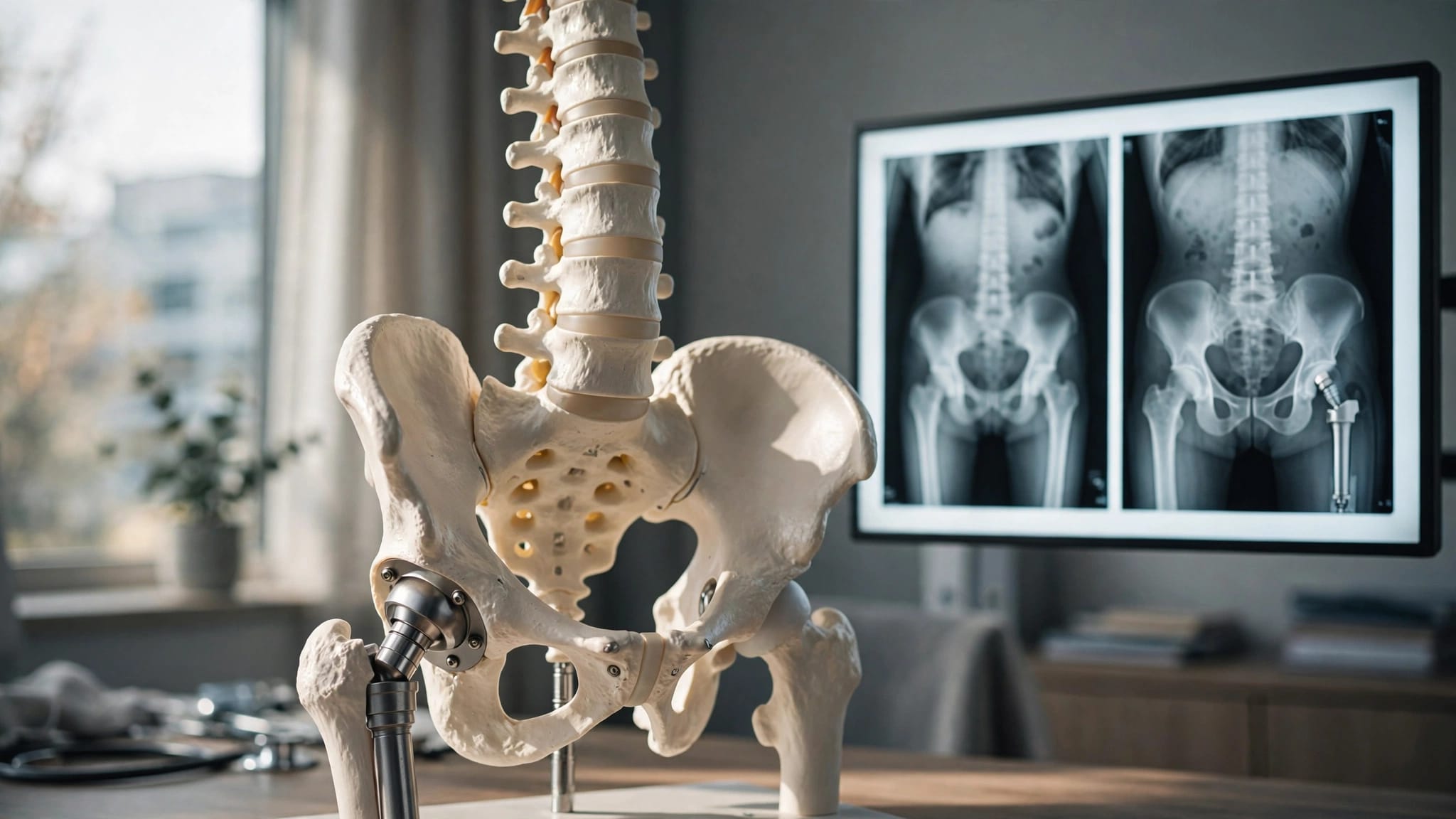
Living alone does not automatically prevent you from having a safe recovery, but it does require a plan with real backup. SuperPATH hip replacement may support early mobility for many patients, yet it is still major surgery and the first days at home can bring pain, fatigue, dizziness, and limits on what you can safely do.
Your surgeon and discharge team should guide every decision. Before surgery, build a home and support plan that matches their instructions, your health, and the layout of your home.
Start With Your Discharge Requirements and Support Plan
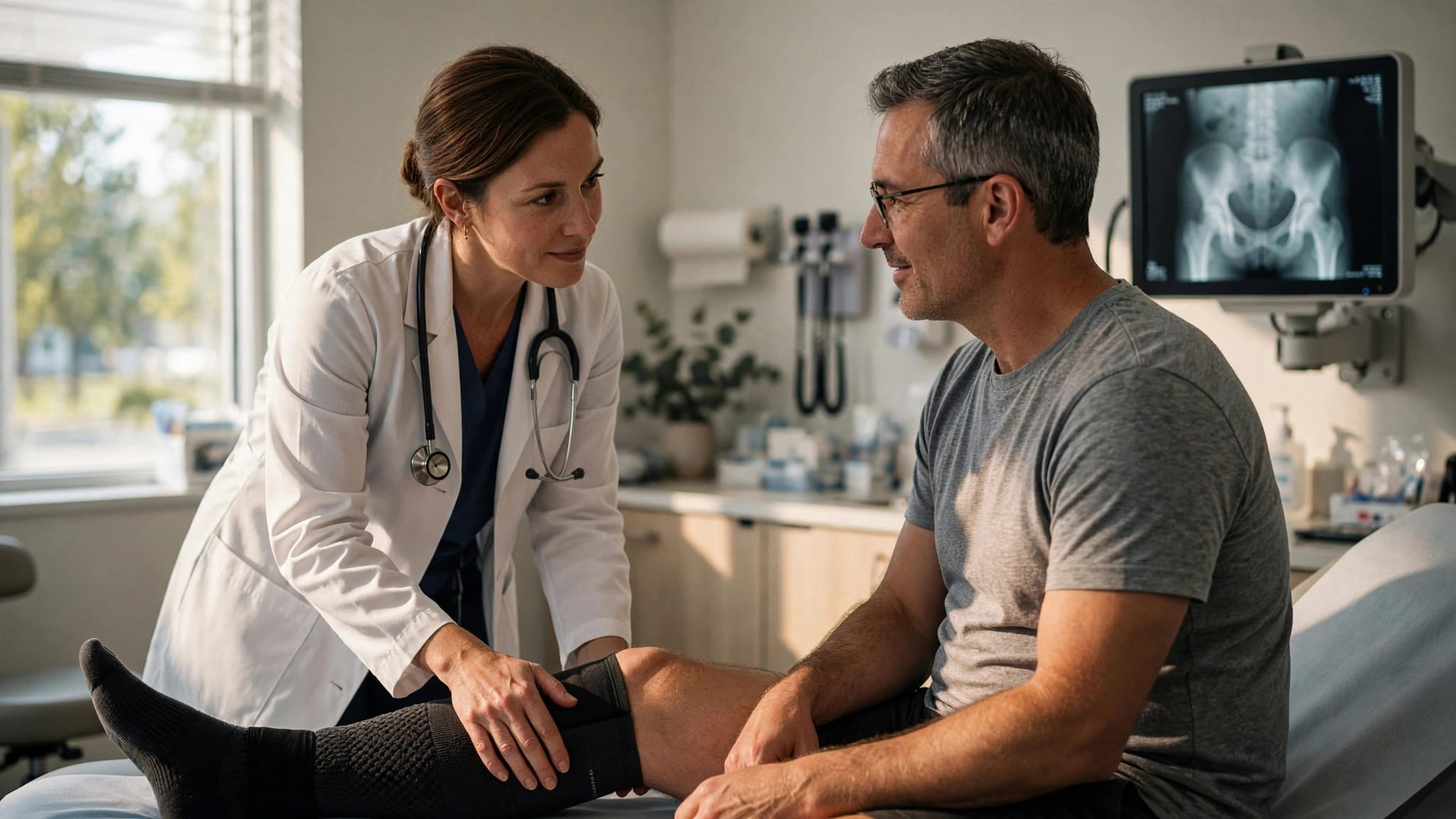
Do not assume that a minimally invasive approach means you can return home without help. Some patients may need a responsible adult with them for the first night, or for several days. Others may need short-term professional support, home health visits, or a rehabilitation setting.
Ask your surgeon's office about support needs before surgery day. If the hospital requires someone to receive discharge instructions, arrange that person early. A ride home from a rideshare service usually does not meet the requirement for a responsible adult.
Ask clear questions before your surgery date
Bring a written list to your preoperative visit. Ask about weight-bearing, walking aids, stairs, showering, driving, dressing care, physical therapy, and when you may stay alone.
Also ask what type of help the team expects during the first week. For example, you may need someone to pick up prescriptions, prepare meals, walk beside you during early transfers, or check that you are taking medicine correctly.
Your personal recovery plan overrides advice from friends, online forums, and general articles. Recovery after a partial hip replacement may differ from recovery after a total hip replacement. Your surgeon may also give restrictions based on your bone quality, balance, medical conditions, or the details of surgery.
Arrange people, not vague promises
"Call me if you need anything" can feel kind, but it is not a dependable recovery plan. Set specific check-in times with friends, relatives, neighbors, or a hired caregiver. Give each person a clear task.
A support person can use a caregiver guide to the first week after SuperPATH to understand the practical details that matter early on. Medication timing, food, safe walking, and bathroom trips may all take more effort than expected.
If no friend or family member is available, ask the surgical team about local home health agencies, private-duty caregivers, meal services, and transportation resources. Put arrangements in place before surgery, not after you are tired and uncomfortable at home.
Home Preparation for SuperPATH Hip Replacement
A safe home is easier to manage when everything you need sits within reach. The goal is to reduce bending, rushing, carrying items while using a walker, and repeated trips across the house.
Begin setting up several days before your procedure. Do not wait until the evening before surgery, when you may be focused on packing and fasting instructions.
Clear every walking route
Walk through your home with your future walker or cane in mind. Remove throw rugs, electrical cords, low stools, pet toys, magazine stacks, and anything else that could catch a foot or walker leg.
Make sure each route has good lighting, especially between the bed and bathroom. Add night-lights in hallways and bathrooms. Keep a phone, charger, eyeglasses, water, and a flashlight beside your bed.
For a more detailed room-by-room plan, review guidance on getting your home ready for hip surgery. Small changes before surgery can prevent hurried decisions when you are sore or unsteady.
Set up the bathroom, bed, and kitchen
Your bathroom often needs the most attention. Ask your therapy team whether a raised toilet seat, shower chair, hand-held shower head, grab bars, or non-slip bath mat fit your needs. Never use a towel bar or soap dish as a grab bar.
Place frequently used items on the counter, not in low cabinets. Stock easy meals, protein-rich snacks, bottled water, tissues, and pet supplies at waist height. Use a small bag or walker basket to carry items rather than balancing a drink in one hand.
Your bed should be easy to enter and leave without climbing, sinking too low, or stepping around clutter. Keep the walker close enough to reach before standing. Follow your care team's directions for safe bed transfers after hip replacement, including any guidance about pillows and sleep positions.
Build a First-Week Check-In Schedule
Recovery feels less isolating when help is planned instead of requested at the last minute. The first week can include soreness, interrupted sleep, constipation, low appetite, and moments when simple chores feel larger than usual.
Create a schedule that covers the first several days, then adjust it with your surgeon's approval and your progress. If the discharge team requires overnight support, treat that requirement as part of the procedure, not an optional extra.
Plan reliable contact every day
Choose at least one person who will call or visit at set times. They should know where you keep your medication list, discharge paperwork, surgeon's phone number, and emergency contacts.
A practical schedule may include a morning call after you wake up, an afternoon visit for food or errands, and an evening check-in. If you use a smartwatch, medical alert button, or voice assistant, test it before surgery and keep it charged.
Tell your support person if you plan to rest or shower. That way, someone knows when you may be temporarily harder to reach.
Prepare for missed plans and bad weather
People get sick, cars break down, and schedules change. Keep two backup contacts, plus the number for a local professional caregiver or transportation service if available.
Arrange grocery delivery and pharmacy delivery before surgery. Check whether your pharmacy can package medicines in labeled blister packs or provide easy-open containers if hand strength is a concern.
Keep basic supplies on hand, including ice packs if approved, a thermometer, clean clothes, toilet paper, and simple foods. You should not need to drive or make an urgent store trip during the first days home.
Handle Medications, Food, and Hydration Safely
Pain medicine can reduce discomfort, but it can also cause sleepiness, nausea, constipation, poor balance, and confusion. These effects matter more when you are alone. Take every medication exactly as prescribed, and do not add over-the-counter products without asking your surgeon, pharmacist, or primary care clinician.
Before surgery, make a current medication list that includes prescription drugs, vitamins, supplements, and allergy information. Share it with the surgical team and keep a copy at home.
Use one simple medication system
Set up a weekly pill organizer only after a pharmacist or support person confirms the plan. Keep medicines in their original labeled bottles nearby, especially if instructions change after discharge.
Use phone alarms or a paper log to record each dose. Write down the medicine name, dose, and time. This helps prevent a second dose when you are tired or unsure whether you already took one.
Avoid alcohol while taking opioid pain medicine or other sedating drugs. Do not drive, cook on a stove, climb a step stool, or make major decisions when medication makes you drowsy. If you feel confused, overly sleepy, or unable to stay awake, contact the medical team right away.
Make eating and drinking easier
Fill a pitcher or several bottles of water at the start of the day. Dehydration can worsen dizziness and constipation, while regular fluids support normal recovery unless your clinician has given fluid limits.
Keep easy foods available, such as yogurt, soup, eggs, oatmeal, fruit, whole-grain crackers, and prepared meals that only need reheating. Ask the care team whether you should use a stool softener or other bowel medicine, especially if you are prescribed opioids.
A poor appetite is common after surgery. Still, contact the team if nausea, vomiting, or constipation keeps you from drinking fluids or taking prescribed medicine.
Prevent Falls and Follow Your Movement Instructions
The strongest fall-prevention tool is patience. Use the walker, cane, or other device for as long as your surgeon or physical therapist recommends it. Feeling better for a few hours does not mean your balance and strength have fully returned.
After SuperPATH hip replacement , some people have fewer traditional hip precautions than with other approaches. However, movement restrictions vary. Your surgeon's directions control how you sit, sleep, bend, turn, use stairs, and bear weight.
Move slowly during daily tasks
Sit for dressing and use recommended tools, such as a reacher or long-handled shoehorn, if your care team advises them. Stand up in stages: sit first, place your walking aid securely, then rise slowly. Pause before you start walking in case you feel lightheaded.
Wear supportive shoes or non-slip footwear inside the house. Avoid loose slippers, long robes, and socks on smooth floors. Keep pets away from your walking path, especially during feeding time or when they tend to rush toward the door.
Review your hip precautions after SuperPATH replacement before discharge so you know which movements apply to you.
Treat therapy as part of your safety plan
Physical therapy may occur in the hospital, at home, or in an outpatient clinic. The right setting depends on how you walk, your strength, your home support, and your surgeon's protocol.
Follow the exercises and walking plan you receive. More activity is not always better, especially if it causes worsening pain, swelling, or instability. Short, controlled walks and rest periods are often easier to manage than trying to complete a large task all at once.
If you live alone and feel unsteady with transfers, stairs, or bathing, tell the team directly. Physical therapy after SuperPATH hip replacement can provide added structure when daily tasks still feel unsafe.
Know When to Contact the Medical Team
Keep your surgeon's office number, after-hours contact number, pharmacy number, and local emergency number in large print near the phone. Put the same information in your phone contacts.
Call the surgical team promptly for symptoms that do not fit your discharge instructions. These may include increasing incision redness, warmth, drainage, bleeding, an opening in the incision, pain that suddenly worsens, fever at the threshold your team provided, or swelling that is getting worse rather than better.
Treat urgent symptoms as urgent
Seek emergency help immediately for chest pain, trouble breathing, fainting, new confusion, or signs of a severe allergic reaction such as swelling of the face or throat. Sudden calf pain or swelling should also be reported promptly because the team may need to assess it.
Call after a fall, even if you think you are uninjured. Do not try to "walk it off" or force yourself up without help. If you cannot get up safely, use your phone or medical alert device to call for assistance.
Make a written contingency card
Write down who to call if your primary helper cannot come. Include your apartment or house number, gate code, a spare-key plan, and the location of your medication list.
If you have a pet, arrange care for walks, litter, feeding, and veterinary needs. A dog pulling on a leash or a cat weaving around your feet can create a serious fall risk during early recovery.
Keep your follow-up appointment on the calendar and arrange transportation in advance. Do not wait until the day before to decide how you will get there.
A Safe Recovery Starts Before Surgery
Living alone calls for more planning, not less honesty about what you may need. A prepared home, scheduled support, clear medication routine, and backup contacts can make the first days after SuperPATH hip replacement more manageable.
Your recovery should follow your surgeon's instructions, your physical therapy plan, and your body's pace. Asking for help early is part of recovering safely.
ADDITIONAL ARTICLES